At-Home Spa Day: 15 Ideas for a Relaxing Self-Care Night
Plan an at-home spa day with 15 easy ideas: bath, face mask, hand scrub, foot massage and tea, plus safety tips and a time-based planner. Pick your night!
In this article
You want a spa night, not a spa bill, and you have a bathroom, a towel and maybe an hour. An at-home spa day works best when you decide the plan before you turn on the water, so you spend the evening relaxing instead of hunting for hand cream. Below are 15 easy ideas you can mix and match, a short safety checklist and a table that matches your free time to the right set.
Key takeaways
- Pick a set by time: 20 minutes, 45 minutes or 90 minutes (the table further down does the math).
- Keep water warm, not hot, and patch-test any new product a day or two ahead.
- Use ready-made masks and scrubs exactly as the label says. Skip raw kitchen ingredients on your face.
- Never put undiluted essential oils on your skin or drop them straight into bath water.
- The setup counts as much as the products: phone on Do Not Disturb, playlist ready, towel warm.
Set Up Your At-Home Spa Day Safely
Five minutes of prep keeps the whole night calm. Gather everything on a tray or folded towel before you run any water:
- A towel and robe (or an oversized T-shirt) within arm’s reach
- A glass of water or a mug of herbal tea
- Your playlist, queued up, with your phone on Do Not Disturb
- Your mask, hand cream, body lotion and a basin for your feet
- One candle if you like, on a stable surface away from towels and curtains
Then run through five safety rules. They take a minute and save you from the usual spa-night regrets.
-
Keep water warm, not hot. Test it on your inner wrist: it should feel comfortable, never steaming. The American Academy of Dermatology notes that hot water can leave skin feeling dry, which is the opposite of the goal.
-
Patch-test anything new. A day or two ahead, dab a small amount on your inner forearm and wait at least 24 hours. If you see redness, itching or burning, rinse it off and skip that product.
-
No undiluted essential oils on skin. Oil does not mix with water, so a few drops in the tub float on top and touch your skin at full strength. Choose bath products made for bathing, or skip the scent.
-
Watch the clock. Masks and scrubs have time limits on the label. Longer is not better.
-
Mind the flame and the floor. Never leave a candle unattended, use a non-slip mat, and stand up slowly after a soak.
Did you know?
Very hot tap water can scald skin quickly. The U.S. Consumer Product Safety Commission recommends setting your water heater to no higher than 120°F (49°C). Find safety guidance on cpsc.gov.
If your skin is sunburned, broken or rashy, or you have a skin condition, ask a dermatologist before trying new products. Pregnant, on medication or have diabetes? Ask your doctor first, especially before hot soaks and foot care.
Water and Warmth: Ideas 1-4
Water is the backbone of most spa nights, and it costs almost nothing. Start here and add skin ideas on top.
1. Run a warm bath (15-20 minutes)
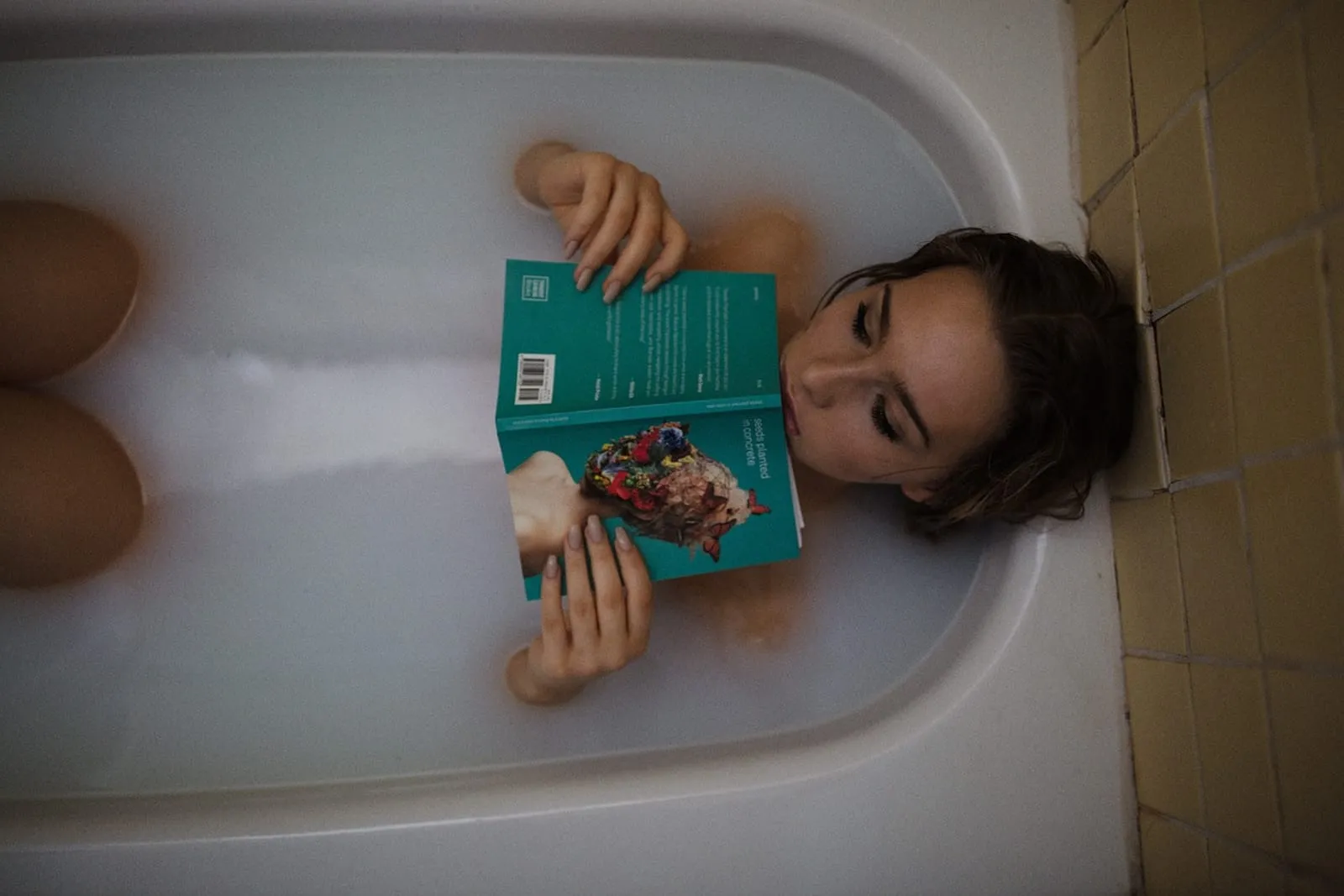
Fill the tub with comfortably warm water and add a bubble bath or bath bomb if your skin tolerates them. Pick a fragrance-free option if your skin is easily irritated. Dim the lights, set a timer for 15 to 20 minutes and put your phone out of reach.
Quick hack
Roll up a bath towel, tuck it behind your neck like a pillow and hold it in place with a clip or hair tie. You get a headrest for free, and your neck stays out of the water.
2. Turn your shower into a spa
No tub? A 10-minute warm shower with the bathroom lights low and your playlist on feels very different from a rushed morning one. Use the body wash you usually save for special occasions, and take your time.
3. Soak your feet
Fill a basin with warm water and soak for 10 to 15 minutes while you sit with a mug of tea. Dry thoroughly afterward, especially between the toes. If you have diabetes or reduced feeling in your feet, check with your doctor before soaking.
4. Warm your towel and robe
Toss your towel and robe in the dryer for 5 to 10 minutes while you bathe. Stepping into something warm makes the whole night feel more expensive.
Did you know?
The word “spa” most likely comes from Spa, a Belgian town known for its mineral springs for centuries. A popular story says SPA stands for a Latin phrase meaning “health through water,” but historians generally treat that as a later invention.
Face and Skin: Ideas 5-7
Keep the skin routine short and gentle. Your face has no need for a ten-step marathon on a night meant to relax you.
5. Try a ready-made face mask
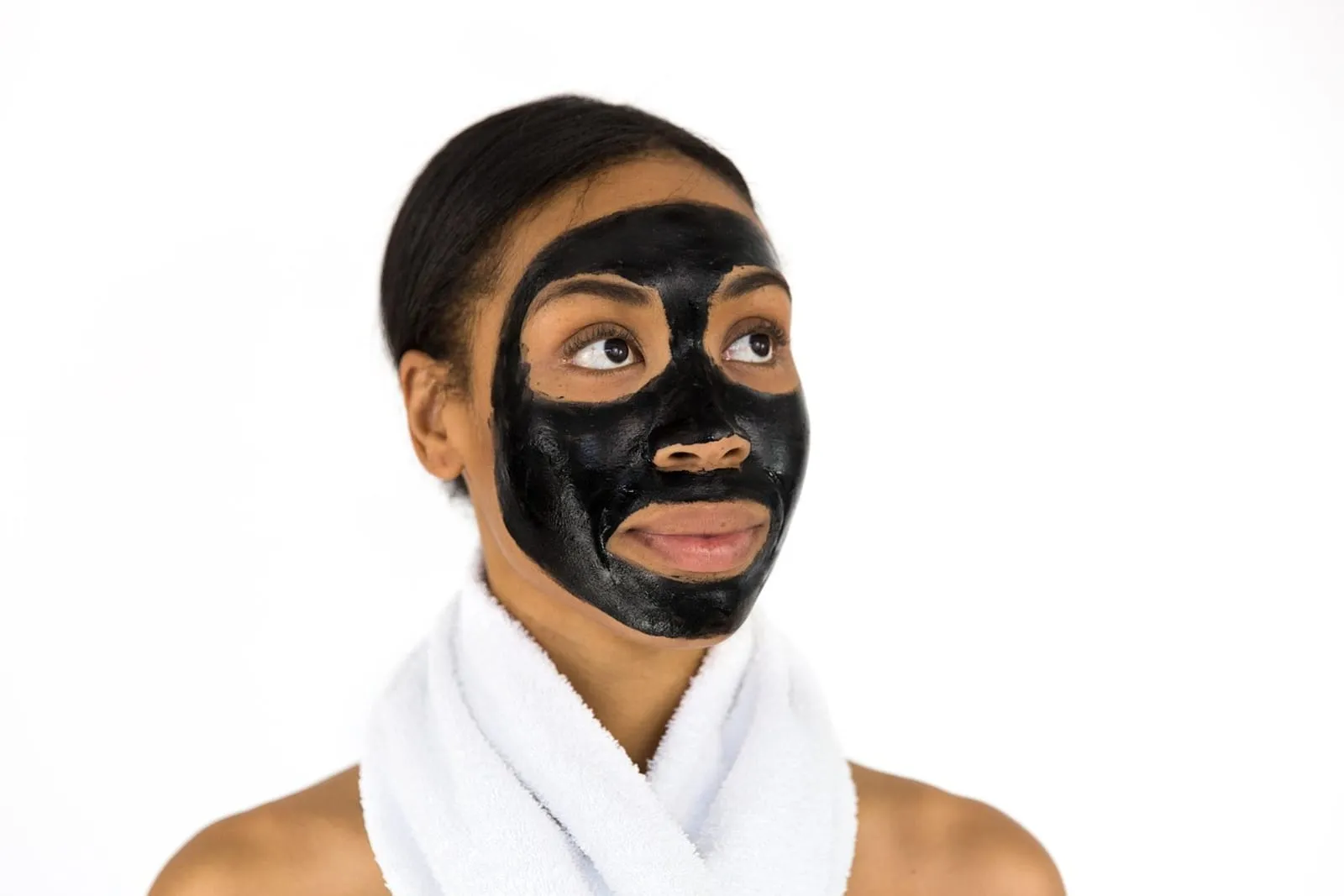
Pick a sheet mask or a wash-off mask made for your skin type, and follow the label for timing. Most are 10 to 20 minutes. Rinse with lukewarm water, pat dry and moisturize. Stick to store-bought formulas: kitchen ingredients like lemon juice, baking soda or cinnamon are not made for facial skin and may irritate it.
6. Add a cool compress for your eyes
Soak a clean washcloth in cool water, wring it out and lay it over your closed eyes for 5 minutes. It feels refreshing and costs nothing.
Quick hack
Keep sheet masks or reusable eye patches in the fridge for an hour before your spa night, unless the package says otherwise. A cool mask feels like a treat the moment it touches your skin.
7. Moisturize while your skin is damp
Dermatologists advise applying moisturizer within a few minutes of bathing, while skin is still slightly damp. Pat dry, then smooth on body lotion or face cream. For more on a gentle routine, see the American Academy of Dermatology’s everyday care tips.
Hands, Feet and Nails: Ideas 8-11
Hands and feet get the hardest daily use, so they are worth a few minutes of attention.
8. Make a simple hand scrub
Mix 2 tablespoons of fine sugar with 1 tablespoon of a plain oil you already use on skin, such as olive or coconut oil. Massage over damp hands for 30 seconds, rinse and pat dry. Use it on hands only, never on your face, and skip it if you have cuts or irritation. Patch-test first.
9. Put on hand cream and cotton gloves
After the scrub, smooth on a thick layer of hand cream and slip on cotton gloves while you sip your tea. Wear them for 20 minutes, or sleep in them.
Did you know?
The skin on your palms and the soles of your feet has no oil (sebaceous) glands, which is one reason hands and feet feel dry fast and respond well to a thick cream.
10. Give yourself a foot massage
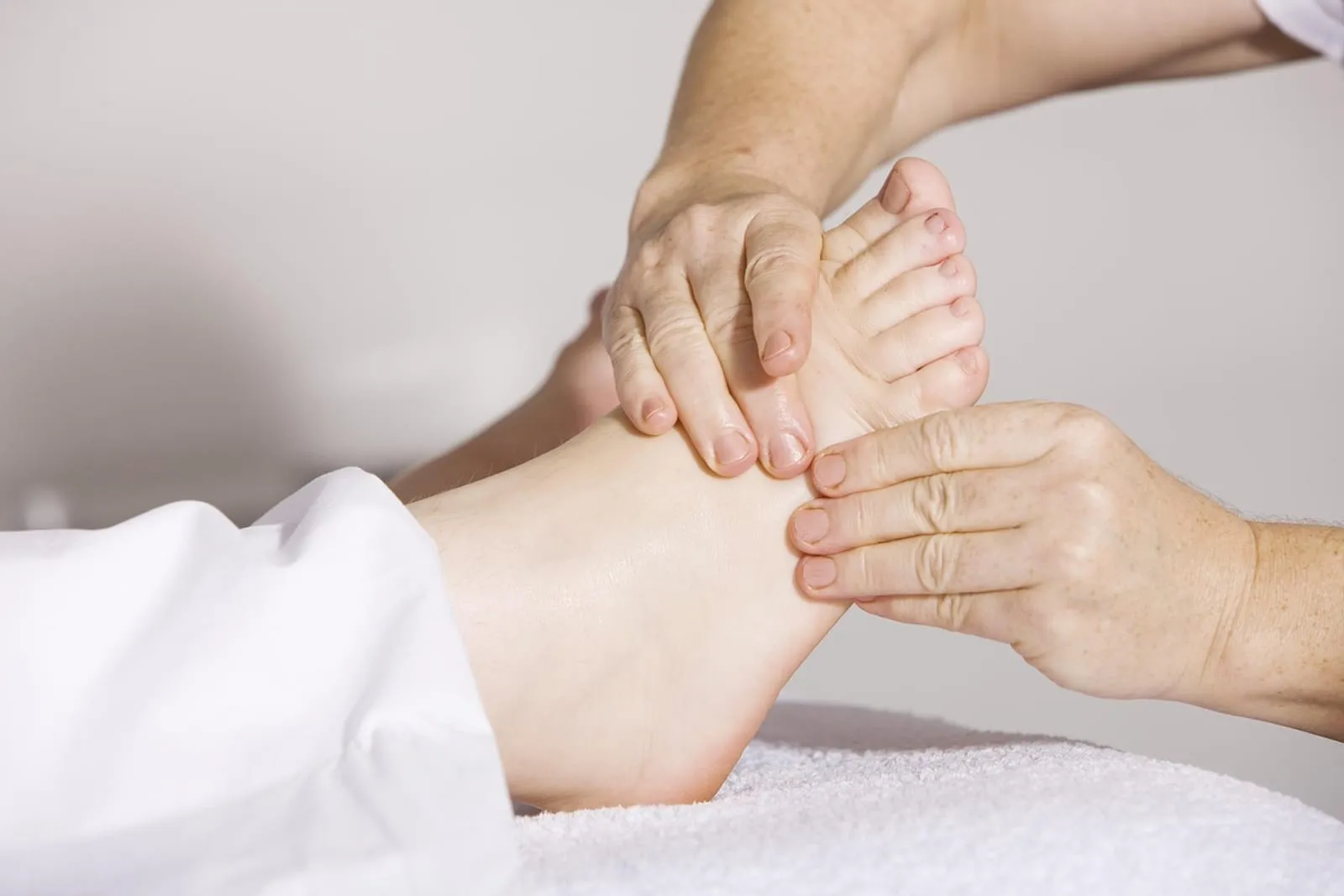
Warm some lotion between your palms, then press your thumbs into the sole in slow circles from the heel toward the toes for about 5 minutes per foot. Keep the pressure comfortable, never painful.
Quick hack
After the massage, coat your feet in a thick cream and pull on clean cotton socks. Wear them for 30 minutes, or leave them on overnight, for the softest feet by morning.
11. Do a mini manicure
File your nails into a shape, wipe them clean and finish with cuticle oil and a clear coat. Do not cut your cuticles. For the full routine, follow our beginner manicure guide.
Mood, Hair and Wind-Down: Ideas 12-15
The last four ideas are about your head, not your skin. This is the part that makes a spa night feel like rest.
12. Treat your hair
While the tub fills, work a rinse-out deep conditioner through your hair and wrap it in a towel. Follow the label for timing. Use a store-bought conditioner, or try one of these kitchen hair masks and patch-test it first. Curly hair? The deep conditioning guide has the step-by-step.
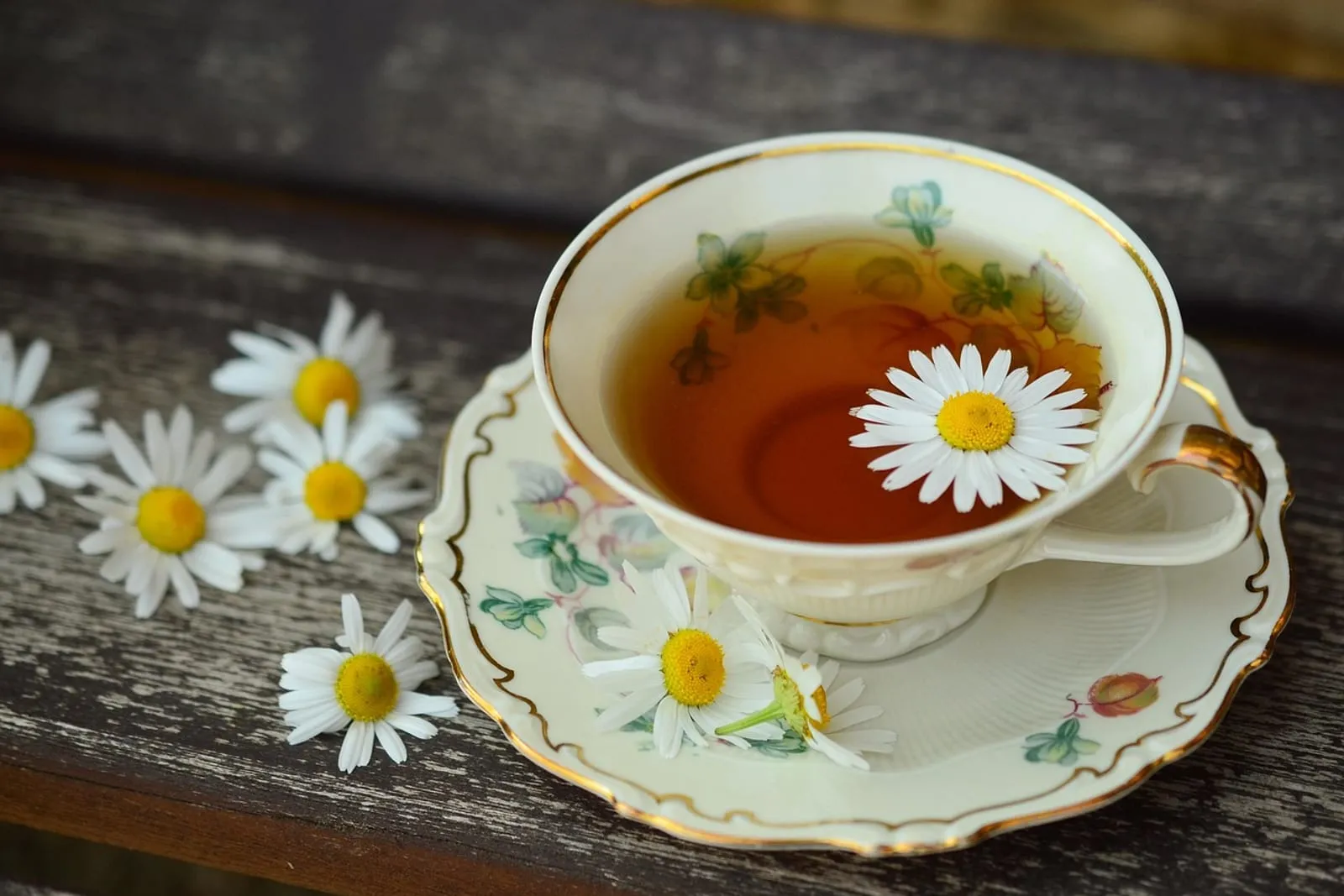
13. Brew a caffeine-free herbal tea
Most herbal teas are naturally caffeine-free, though you should check the label. Start the kettle before your mask goes on, so the cup is ready when you come out.
14. Build a playlist that outlasts the night
Queue up 60 to 90 minutes of music you find calming and set your phone to Do Not Disturb. A long playlist means you never have to pick up the phone to change songs.
15. End with a screen-free hour and fresh sheets
Read, journal or just sit. If you want a longer wind-down, follow the steps in our evening routine ideas. Put clean sheets on the bed and consider a silk pillowcase for the finishing touch.
Plan Your At-Home Spa Day by Time
Not every night has two free hours. Find your slot, pick that row, and ignore the rest.
| Time you have | Idea set | What you need |
|---|---|---|
| 20 minutes | Warm shower (2), sheet mask (5), moisturizer (7), herbal tea (13) | Sheet mask, lotion, tea bag |
| 45 minutes | Foot soak (3), face mask (5), hand scrub (8), hand cream and gloves (9) | Basin, mask, sugar and oil, hand cream, cotton gloves |
| 90 minutes | Warm bath (1), face mask (5), foot massage (10), mini manicure (11), playlist (14) | Bubble bath or bath bomb, mask, lotion, nail file, cuticle oil |
| 2+ hours | Everything above, plus hair treatment (12) and a screen-free wind-down (15) | Deep conditioner, book or journal, clean sheets |
Not sure where to start? Choose the 45-minute row. It covers face, hands and feet, and the whole thing wraps up before you get restless.
If Your Spa Night Isn’t Working
Even a good plan can wobble. Use this table before you give up.
| Problem | Try this |
|---|---|
| Skin feels tight or itchy afterward | Rinse with lukewarm water, apply a plain moisturizer and skip that product next time. If redness, itching or a rash lasts more than a day or two, see a dermatologist. |
| A mask stings or burns | Rinse it off right away and do not reapply. Patch-test next time. |
| The bath goes cold | Shorten the soak or switch to a warm shower. |
| You cannot switch off | Put your phone in another room and do just one idea instead of fifteen. |
| No bathtub | Use the shower, a foot soak and a mask. |
Your Next Step
Pick one row from the table, put a 60-minute block in your calendar this weekend, and gather the supplies tonight. Want to make it a regular habit? Pair it with a Self-Care Sunday routine, a simple two-hour reset for the week ahead.
Frequently Asked Questions
How long should an at-home spa day last?
What do I need for an at-home spa day?
Is it safe to put essential oils in a bath?
How often can I do an at-home spa day?
You might also like
More in Self-Care →
Journaling for Beginners: How to Start (Plus 30 Prompts)
Journaling for beginners, made simple: try 5 easy styles, start in 5 minutes, keep the habit going and use 30 prompts for any kind of day. Grab a pen!
Skincare Routine Order: What to Apply First, Step by Step
Skincare routine order made simple: what goes on first, morning and night, plus a 3-step minimum routine and a step-by-step table. Start tonight!
Natural Makeup Look: A 5-Minute Step-by-Step Tutorial
Learn a natural makeup look in 5 minutes: SPF, concealer, blush, brows, mascara and lip balm, plus shade-matching tips and a step table. Try it tomorrow!