How to Clean Bathroom Fast: A 20-Minute Routine
Clean bathroom fast with a 20-minute top-to-bottom routine: what to use on each surface, how to beat soap scum and grout mold, and what never to mix.
In this article
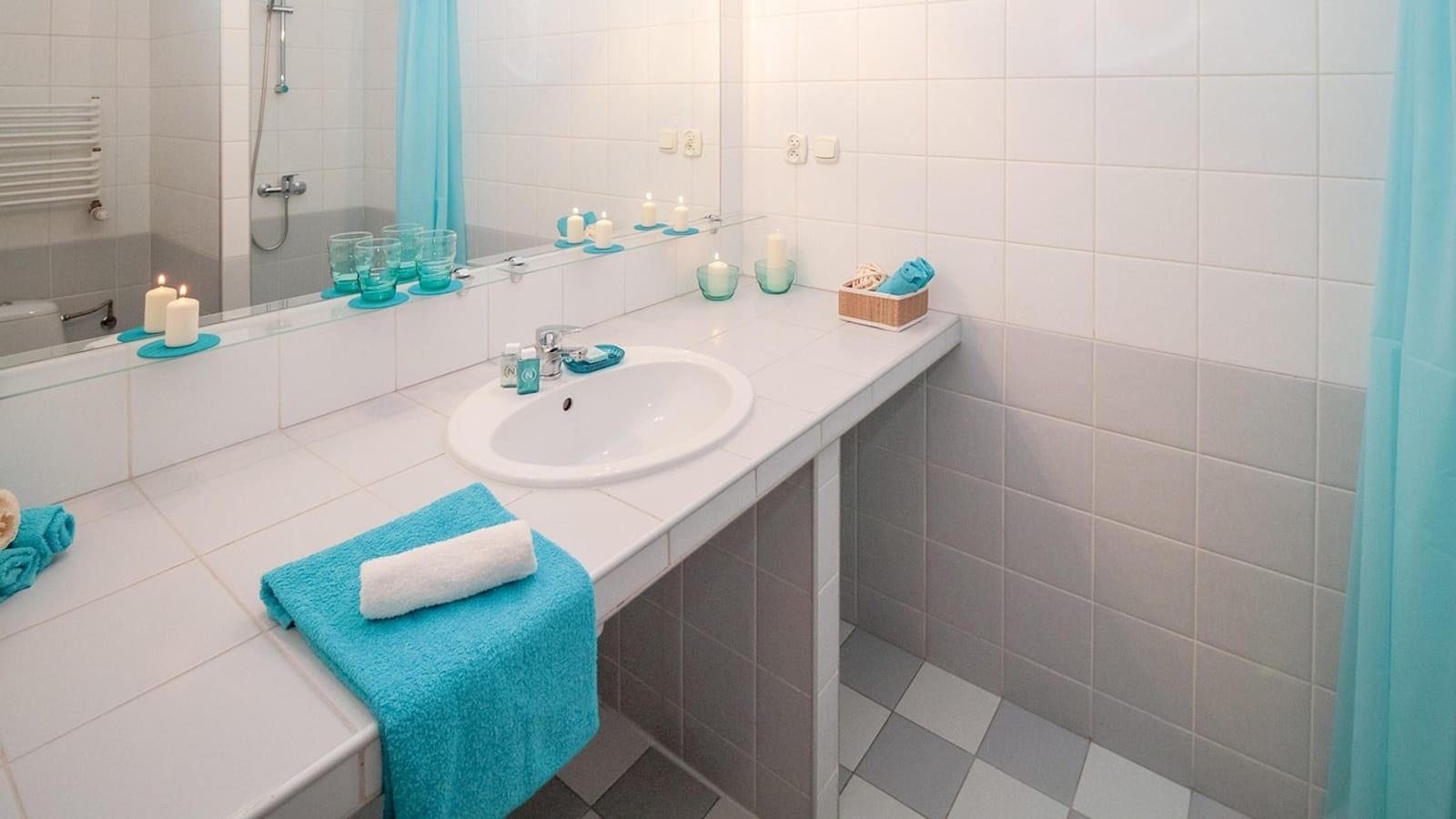
If cleaning the bathroom eats an hour of your Saturday, the problem is probably the order, not the effort. Here is how to clean bathroom fast: spray first, work from top to bottom and let the products soak while you do something else. This routine takes 20 minutes, needs only a few supplies and covers everything from the mirror to the floor.
Key takeaways
- Spray the shower, sink and toilet bowl first. Soaking does the hard work for you.
- Clean from top to bottom, and finish with the toilet and the floor.
- Never mix bleach with ammonia, vinegar or other acidic cleaners. Toxic gases can result.
- Use a separate cloth for the toilet, and never use it anywhere else.
- A daily 1-minute wipe makes the weekly clean much shorter.
How to Clean Bathroom Fast: The Order That Saves Time
Four simple rules save the most minutes:
- Top to bottom. Dust, drips and spray fall, so the floor always comes last.
- Spray first, scrub later. Cleaners need a few minutes on the surface. Apply them at the start and come back.
- Cleanest to dirtiest. Do the mirror, then the sink, then the shower and finally the toilet, so you don’t spread germs around.
- Clear before you clean. A crowded counter doubles the work. If yours is packed, try our 7-day declutter plan and start with the bathroom day.
Gather what you need before the timer starts: a bathroom or all-purpose cleaner, toilet bowl cleaner, glass cleaner, three microfiber cloths, a non-scratch sponge, a toilet brush, an old toothbrush, rubber gloves and a small trash bag. Store them in one caddy under the sink, and every cleaning session starts instantly.
Safety First: Never Mix These Cleaners
Read this part before you pick up a spray bottle. Most cleaning accidents happen when two products meet by accident, often in a small room with the door closed. Bleach, ammonia and acids are the usual troublemakers.
| Never combine | What can happen |
|---|---|
| Bleach and ammonia (found in some glass and multi-surface cleaners) | Toxic chloramine gases |
| Bleach and vinegar or other acids (many toilet bowl cleaners, descalers and rust removers) | Chlorine gas |
| Bleach and rubbing alcohol | Chloroform and other harmful compounds |
| Hydrogen peroxide and vinegar in one container | Peracetic acid, which can irritate skin, eyes and lungs |
That list also applies to products used back to back. If you switch from one product to another on the same surface, rinse it well with water first.
Safety rules for every cleaning session
- Read the label. Many glass cleaners contain ammonia, and many toilet bowl cleaners and descalers are acidic.
- Ventilate: turn on the exhaust fan and open a window or the door.
- Wear rubber or nitrile gloves, and eye protection if you might splash.
- Keep products in their original labeled containers, away from kids and pets.
- If you smell something sharp or start coughing, leave the room and get fresh air. Call Poison Help at 1-800-222-1222 (in the US). Call 911 if someone has trouble breathing.
For more on what to do after an exposure, see America’s Poison Centers.
What to Use on What
You don’t need ten products. Match the cleaner to the surface and you avoid damage and wasted effort.
| Surface | Use | Skip |
|---|---|---|
| Toilet bowl | Toilet bowl cleaner and a brush | Mixing different bowl cleaners together |
| Sink, tub, tile | Bathroom cleaner, or dish soap and warm water | Abrasive powders on acrylic or fiberglass, which scratch |
| Mirror and glass | Glass cleaner, or equal parts white vinegar and water on microfiber | Using the same cloth you used on the toilet |
| Chrome faucets | Vinegar-water spray or all-purpose cleaner, then buff dry | Letting water dry on the surface and leave spots |
| Grout | Baking soda paste and a stiff brush | Wire brushes, which damage grout |
| Marble, granite, travertine | Mild dish soap and water, or a stone cleaner | Vinegar, lemon and other acids that dull stone |
| Floor | A cleaner made for your floor type | Soaking wood or laminate |
Did you know?
Cleaning and disinfecting are different jobs. Cleaning removes dirt, and disinfecting kills germs on a surface. A disinfectant label lists a contact time, the number of minutes the surface must stay visibly wet. If you wipe sooner, the product may not work as intended. That’s why spraying first is the secret of the fast routine.
Here are a few popular beliefs that waste time or cause problems:
| Myth | Fact |
|---|---|
| Vinegar kills all germs | Vinegar dissolves mineral deposits, but it is not an EPA-registered disinfectant |
| Mixing two cleaners makes a stronger one | It can create toxic gas |
| More cleaner means a cleaner bathroom | Extra product leaves residue. Follow the label |
| Scrubbing harder removes stains | Letting the product soak removes more, with less scratching |
The 20-Minute Routine, Step by Step
Set a timer and follow the clock.
Minutes 0-2: Clear, Vent and Glove Up
Turn on the fan, put on your gloves and take the bath mat, towels and trash out. Clear the counter and the tub edge.
Minutes 2-4: Spray and Walk Away
Spray cleaner on the shower walls, tub and sink. Squirt toilet bowl cleaner under the rim and close the lid. Skip the mirror for now. Stick to one cleaning system, so you aren’t layering products.
Minutes 4-7: Mirror and High Surfaces
Wipe the mirror with glass cleaner and a dry microfiber. Then wipe the shelf, switch plate, towel bar and cabinet fronts.
Minutes 7-10: Sink, Faucet and Counter
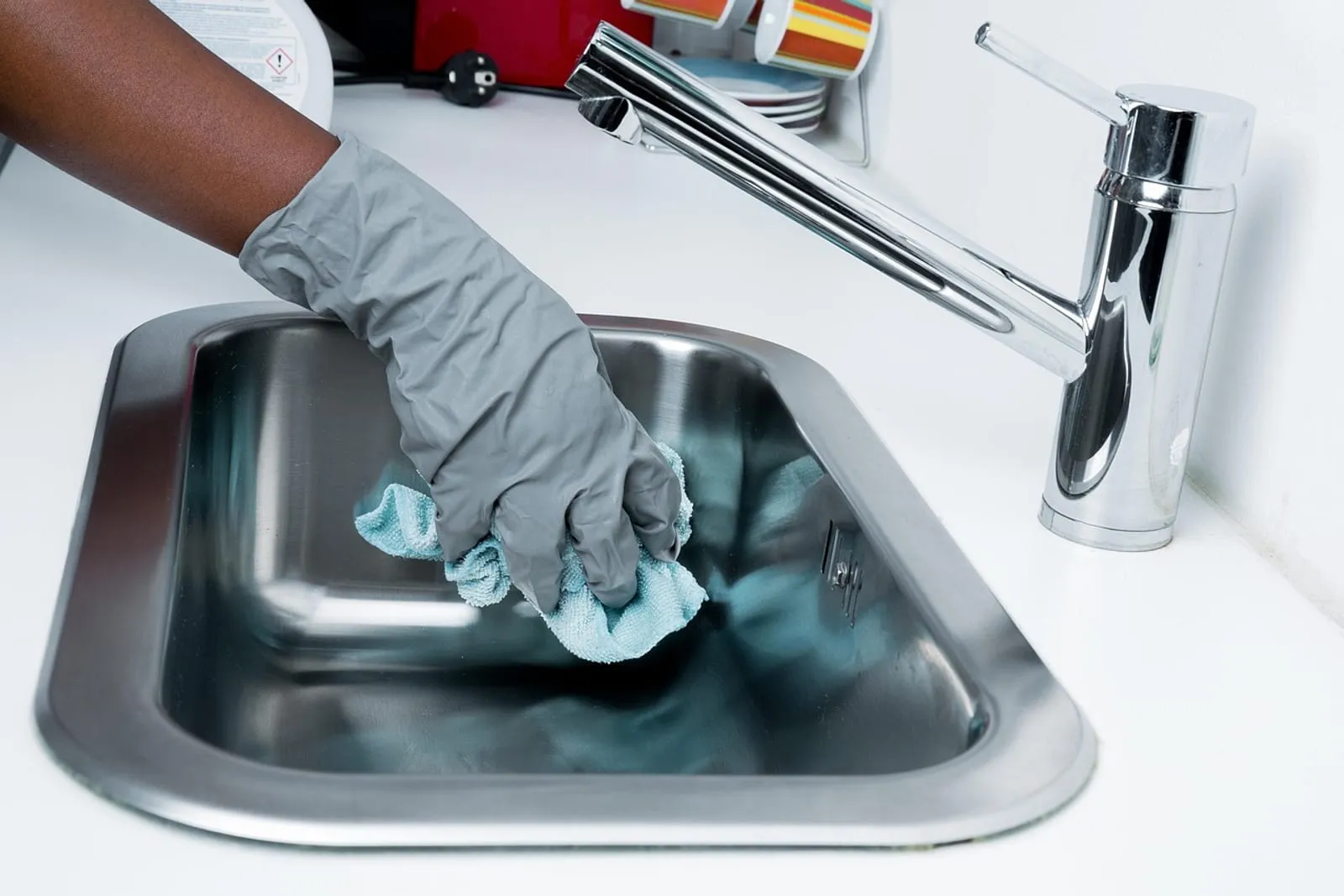
Scrub the basin, then use the old toothbrush around the faucet base and the drain. Rinse, wipe the counter and buff the chrome dry.
Minutes 10-14: Shower and Tub
Scrub the walls from top to bottom with the sponge, rinse with the handheld shower or a cup of water, and squeegee glass doors. The cleaner has soaked about 10 minutes by now, so scrubbing is quick.
Minutes 14-17: Toilet
Scrub the bowl with the brush and flush. Then wipe the seat (top and underside), lid, tank, handle and base with your toilet-only cloth or disposable wipes. Research on flush toilets has found that flushing can launch tiny droplets into the air, so close the lid before you flush.
Minutes 17-20: Floor
Sweep or vacuum the hair first, then wipe the floor with a damp mop or cloth, backing out toward the door. Put the mat and clean towels back.
Quick hack: pack a caddy
Keep the whole kit in one bucket or caddy under the sink: cleaners, three color-coded cloths, a sponge, a toothbrush and gloves. When everything is in one place, you can start in 30 seconds, and you’re much more likely to actually do it.
Soap Scum, Hard Water and Mold in the Grout
Some grime needs more than a quick wipe.
Soap scum forms when soap reacts with the calcium and magnesium minerals in hard water. It looks like a dull, chalky film on tile and glass. Spray an all-purpose bathroom cleaner (or vinegar-water, but never on natural stone), wait 5 to 10 minutes and scrub with a non-scratch pad.
Hard water spots on glass and chrome respond to a vinegar-water spray left for a few minutes. Then wipe dry.
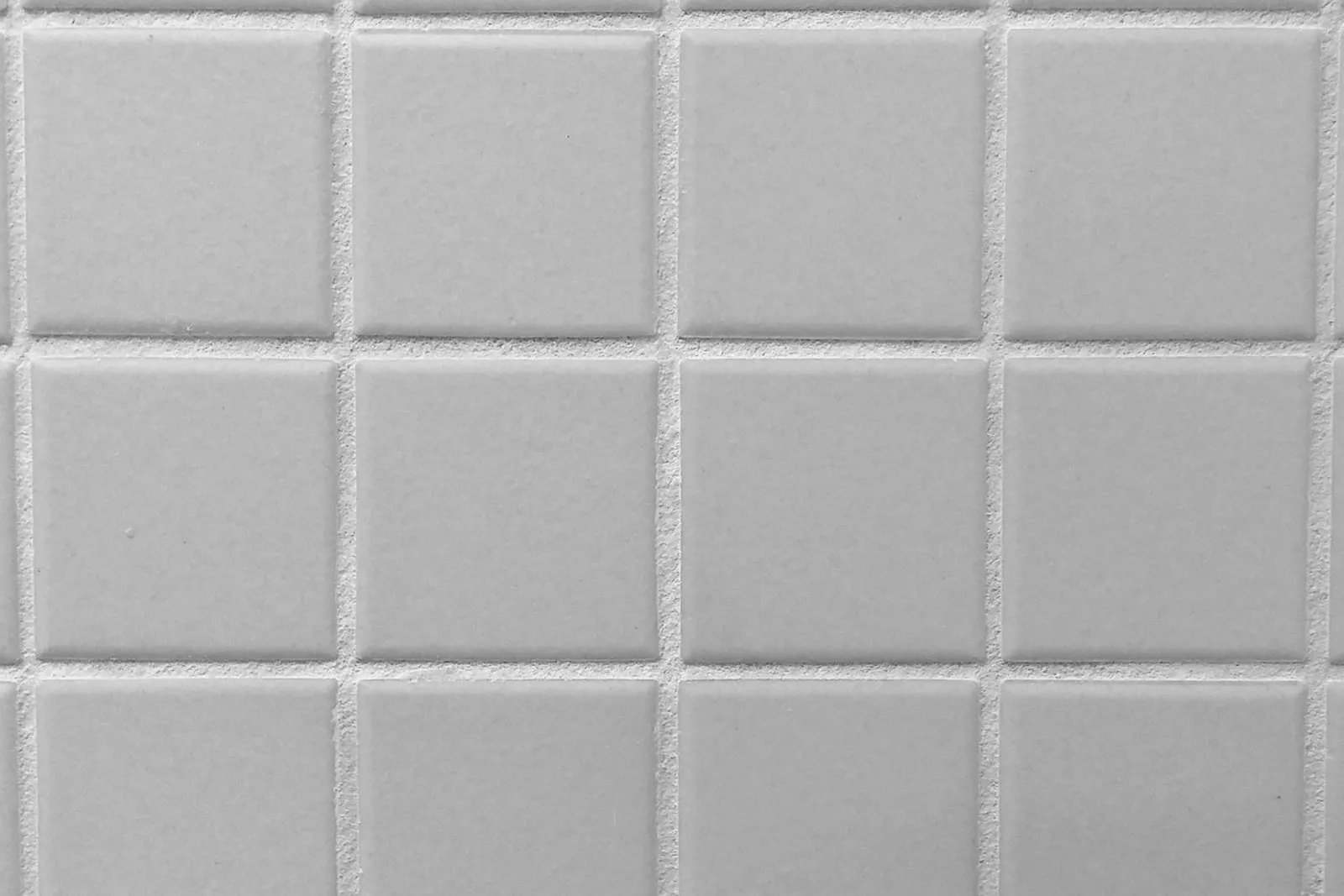
Mildew in grout is usually surface growth that responds to scrubbing. Make a paste of baking soda and 3 percent hydrogen peroxide, spread it on the grout, wait 10 minutes and scrub with a stiff brush. Rinse and dry. Don’t add vinegar or bleach to this mix.
Did you know?
That pink or orange film in shower corners and around the toilet bowl is usually a bacterium called Serratia marcescens, not mold. It thrives in damp spots. A regular wipe-down and a dry shower help keep it from coming back.
Moisture is what mold needs. According to the EPA’s mold guidance, drying wet materials within 24 to 48 hours usually prevents mold growth. Run the exhaust fan during your shower and for about 20 minutes after, and squeegee the walls.
If black spots return in the caulk after cleaning, the mold may be inside it. Cut the old caulk out and replace it with fresh silicone made for kitchens and baths.
Quick hack: descale the showerhead with a bag
Fill a small plastic bag with white vinegar, pull it over the showerhead and secure it with a rubber band so the head is submerged. Leave it for 30 minutes, then remove it, run the water and wipe the face with an old toothbrush. Check your fixture’s care guide first, since vinegar can damage some finishes such as brass and oil-rubbed bronze.
A Simple Daily and Weekly Schedule
A little upkeep keeps the weekly clean at 20 minutes instead of 40.
| When | Task | Time |
|---|---|---|
| After each shower | Squeegee the walls, hang the towel to dry, leave the fan on | 1 min |
| Daily | Wipe the sink and faucet, pick up hair | 1-2 min |
| Weekly | The full 20-minute routine, plus fresh towels and a washed bath mat | 20 min |
| Monthly | Wash the shower curtain liner, descale the showerhead, wipe the fan cover | 15 min |
| Every 3-4 months | Replace your toothbrush and toss expired products | 5 min |
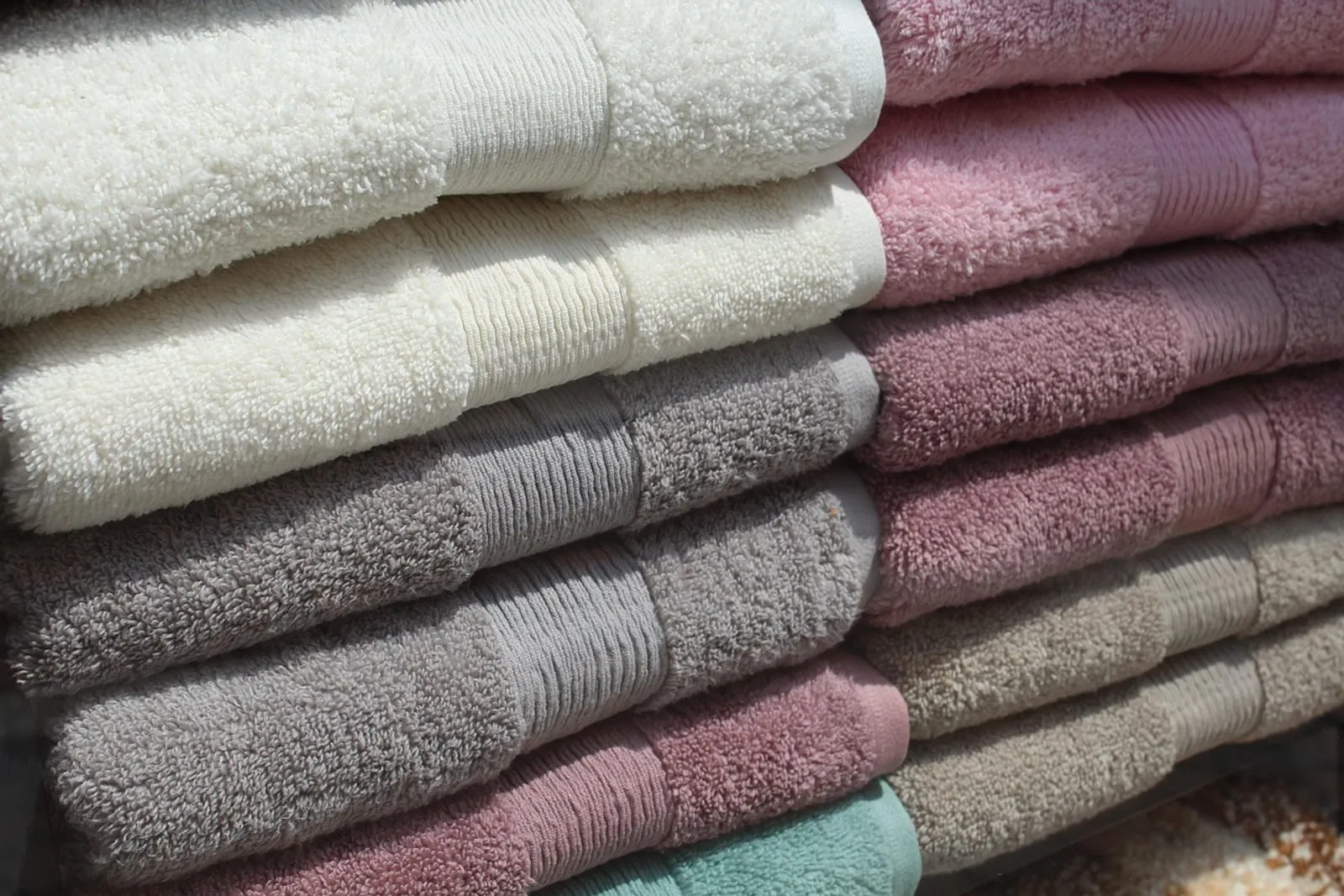
While the sink is clean and wet, it’s the perfect moment to wash your makeup brushes. Our guide on how to clean makeup brushes takes only a few minutes. A weekly bathroom reset also fits neatly into a self-care Sunday routine.
If It Still Looks Grimy
| Problem | Fix |
|---|---|
| Cloudy glass door | Spray with vinegar-water, wait 5 minutes, scrub and squeegee |
| Yellow stains on porcelain | Use toilet bowl cleaner and let it sit longer, according to the label |
| Smell won’t go away | Wash the bath mat and shower curtain liner, and brush out the drain |
| Rings in the toilet bowl | Apply bowl cleaner made for hard-water rings, let it sit and scrub, then repeat if needed |
| Mold covers more than about 10 square feet | Read the EPA guidance and consider calling a professional |
| It’s taking longer than 20 minutes | Declutter the counter and use the caddy |
Your Next Step
Tonight, put your cleaning kit in a caddy under the sink and read the safety table once more. Tomorrow, set a 20-minute timer and run the routine from top to bottom. When the room is clean, turn it into a reset space with these at-home spa day ideas.
Frequently Asked Questions
What is the fastest way to clean a bathroom?
Can I mix bleach and vinegar to clean better?
How often should I clean my bathroom?
How do I remove black mold from shower grout?
You might also like
More in Home & Life →
How to Declutter Your Home in 7 Days: A Room-by-Room Plan
Declutter your home in 7 days with a room-by-room plan: simple keep, give away and let go rules, 30-minute tasks and where to donate. Start with Day 1.
How to Make Home Smell Good Naturally: 15 Easy Ideas
Want to make home smell good without sprays? Try 15 natural ideas: fix the source, use baking soda, open windows and simmer citrus. Start today!
15 Morning Routine Ideas for a Calmer, More Productive Day
Try these 15 morning routine ideas for a calmer, more productive day: simple habits that take 2 to 15 minutes, plus three sample routines. Find your fit!