Skincare Routine Order: What to Apply First, Step by Step
Skincare routine order made simple: what goes on first, morning and night, plus a 3-step minimum routine and a step-by-step table. Start tonight!
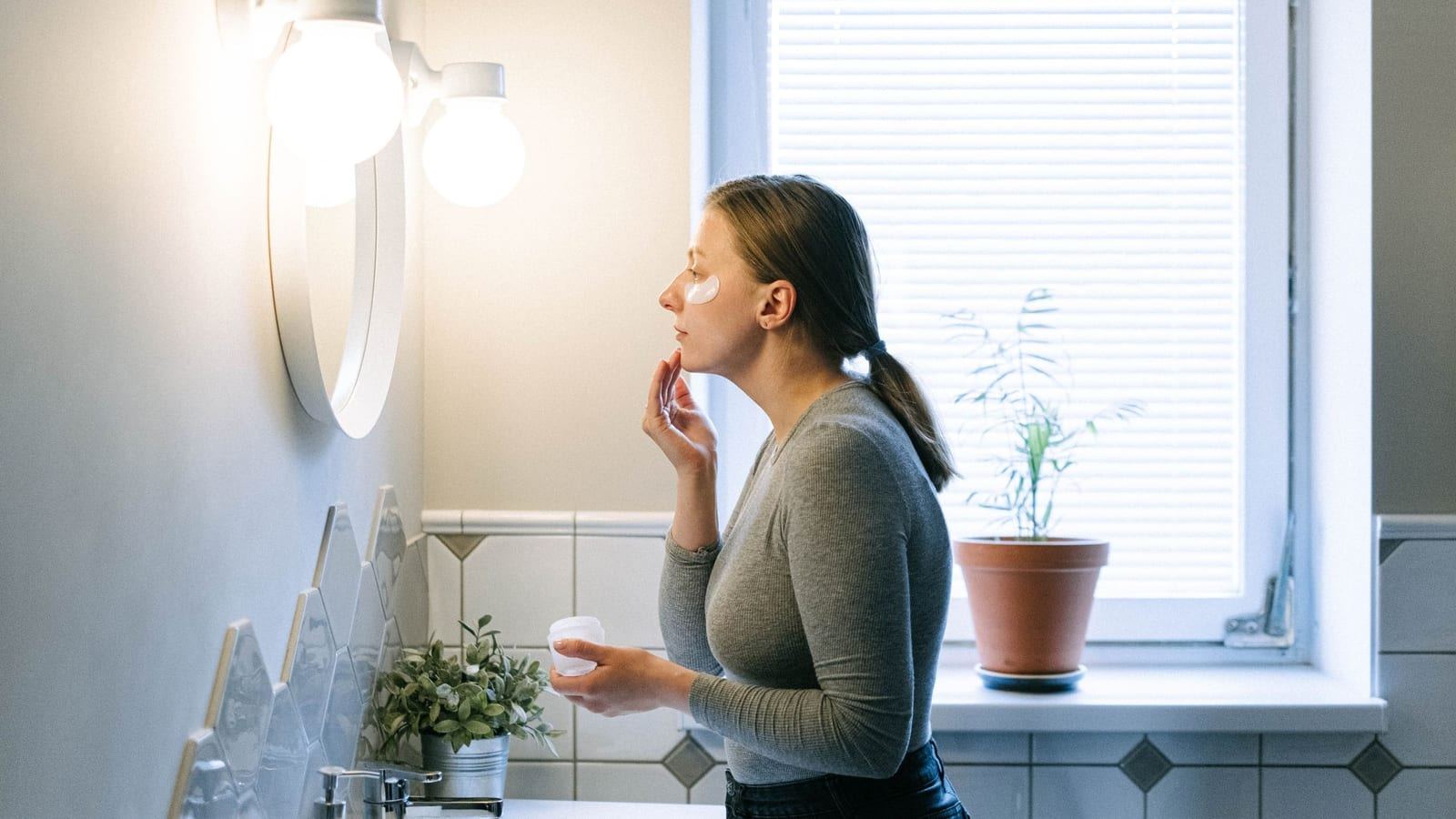
In this article
You own a cleanser, a toner, a serum, a moisturizer and a sunscreen, and you have no idea which one goes on first. Getting your skincare routine order right takes about five minutes a day, and it stops products from pilling, stinging or going to waste. Below you’ll find the exact order for morning and night, a three-step minimum for busy days, and a simple way to add new products without chaos.
Key takeaways
- Apply products from thinnest and most watery to thickest and creamiest.
- Morning order: cleanser, toner (optional), serum (optional), moisturizer, sunscreen.
- Night order: cleanser (twice if you wear makeup or sunscreen), toner, serum, moisturizer, then an optional oil or balm.
- The minimum routine is three products: a gentle cleanser, a moisturizer and a sunscreen.
- Add one new product at a time, and patch-test it first.
The Skincare Routine Order at a Glance
The one rule behind every routine is thin to thick. Watery, light products go on first so they sit directly on clean skin. Creamier products go on top to cushion everything underneath. In the morning, sunscreen is the final skincare step, right before makeup.
| Step | Why you use it | When |
|---|---|---|
| 1. Cleanser | Washes away sweat, oil, sunscreen and makeup so the next layers sit on clean skin | Morning and night |
| 2. Toner (optional) | A light, watery layer that many people like for a fresh, hydrated feel | Morning and/or night, only if you enjoy it |
| 3. Serum (optional) | A lightweight, concentrated product, often chosen for extra hydration or a smoother feel | Morning or night, one at a time |
| 4. Moisturizer | Helps skin hold on to water so it feels soft and comfortable | Morning and night |
| 5. Sunscreen | Helps protect skin from the sun’s UV rays | Morning only, always last |
| 6. Face oil or balm (optional) | A richer final layer that keeps lighter products from rubbing off on your pillow | Night only |
Toner and serum are the steps people argue about most. Both are optional, and skipping them will not break your routine.
Did you know?
Many moisturizers combine three kinds of ingredients: humectants such as glycerin that attract water, emollients that soften the skin’s surface, and occlusives such as petrolatum that form a seal on top. That seal is the reason moisturizer sits above lighter layers and not under them.
Morning Skincare Routine Order: 5 Steps in 5 Minutes
Your morning goal is simple: freshen up, add light hydration and protect your skin from the sun. Everything stays thin and quick to absorb so it sits comfortably under makeup. For more ways to start the day calmly, see our morning routine ideas.
Step 1: Cleanse
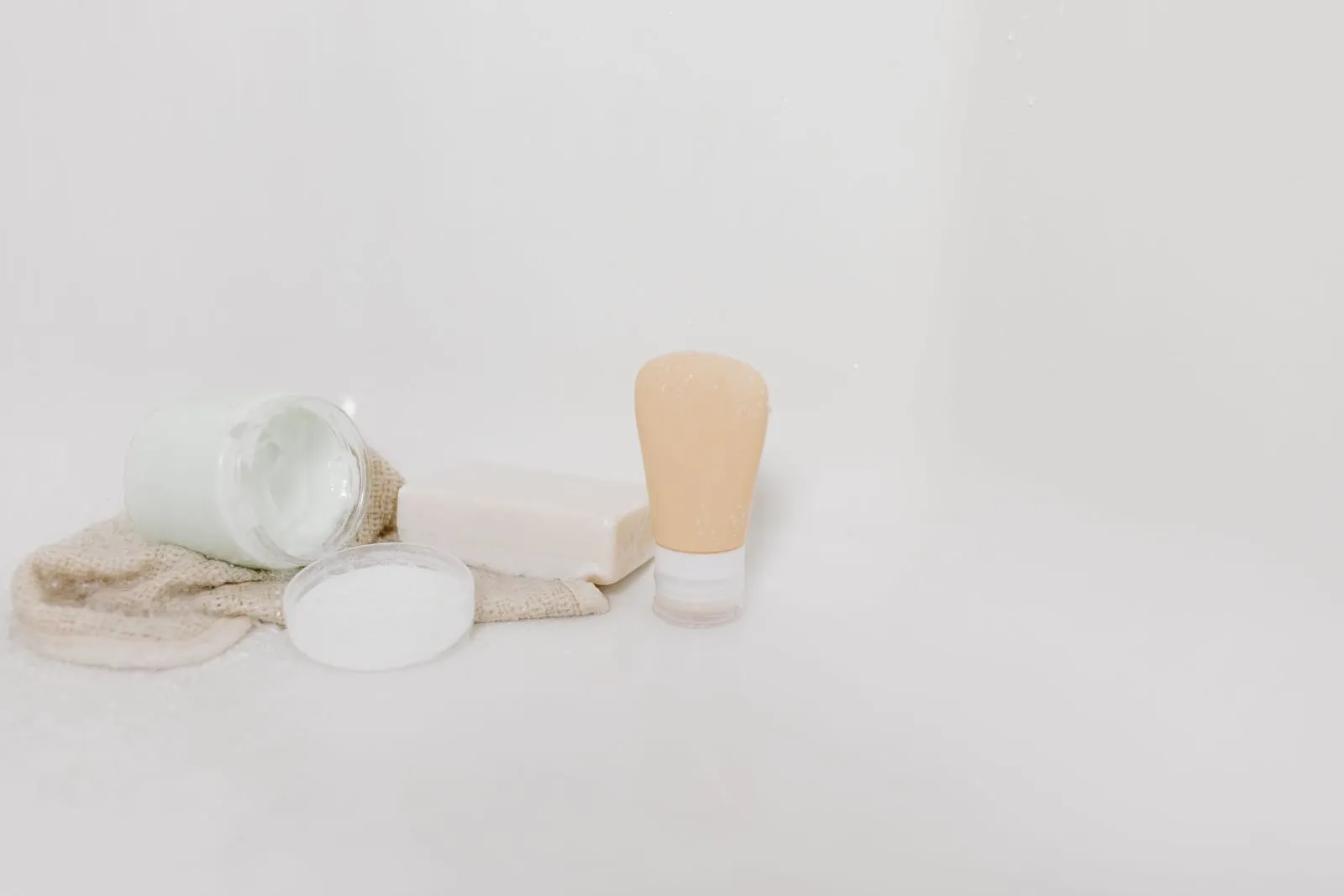
Wet your face with lukewarm water, then massage in a pea-size amount of mild cleanser with your fingertips for about 30 seconds. Rinse completely and pat dry with a clean towel, leaving your skin slightly damp. If your skin feels tight in the morning, choose a creamy, low-foam formula over a foamy one. Slightly damp skin makes the next layer spread more easily.
Did you know?
The American Academy of Dermatology recommends washing your face when you wake up, before bed and after sweating. Its reasoning: a morning wash removes the dirt and bacteria that settle on your face while you sleep, and a bedtime wash removes makeup and grime from the day.
Step 2: Toner (Optional)
Pour a few drops into your palms and press it over your face. Pressing wastes less product than a cotton pad, which soaks up a surprising amount. If you do not enjoy this step, drop it.
Step 3: Serum (Optional)
Use 2 to 3 drops or a pea-size amount, press it in and wait about a minute. While you are learning what your skin likes, use only one serum at a time.
Step 4: Moisturizer
Smooth on about a nickel-size amount over your face and neck, adjusting for your cream’s thickness. A gel or lotion feels lighter on skin that gets shiny by noon, and a richer cream feels better on skin that feels dry.
Step 5: Sunscreen (Last, Every Day)
Choose a broad-spectrum sunscreen with SPF 30 or higher that is water resistant, as the AAD recommends. Put it on after your moisturizer and before makeup, about 15 minutes before you go outside. Our full guide on how to apply sunscreen on your face covers amounts, reapplying and wearing it under makeup.
Cloudy days count
The AAD says your skin is exposed to the sun’s UV rays every time you go outside, even on cloudy days and in the winter.
That is why sunscreen belongs in the minimum routine every day, not only on beach days.
Keep sunscreen where you will see it
Store it next to your toothbrush or your moisturizer. A step that sits in plain sight gets done on rushed mornings, and one hidden in a drawer does not.
Evening Skincare Routine Order: 5 to 8 Minutes
Evening is when you clear off the day, including sunscreen, sweat and makeup, and then add a little more cushioning. There is no SPF at night, and richer textures are fine because no one sees them. Pair it with the habits in our evening routine ideas and it becomes part of your wind-down.
Step 1: Remove Makeup and Sunscreen
If you wore makeup or a water-resistant sunscreen, cleanse twice. Start with an oil, balm or micellar cleanser to dissolve it, then follow with your regular water-based cleanser. On a bare-faced day, one gentle cleanse is plenty.
Steps 2 and 3: Toner and Serum
The same rules apply as in the morning. Use whichever you like, and keep it to one serum while you are building your routine.

Step 4: Moisturizer
Use the same moisturizer as in the morning, or a slightly richer one if your skin feels dry by bedtime. Apply it within a minute or so of cleansing, while skin is still a little damp.
Step 5: Face Oil or Balm (Optional)
A few drops of face oil or a thin layer of balm goes on last, because it sits on top of everything else. Add lip balm too. Your face spends seven or eight hours against your pillowcase, so a fresh one every week or so is worth it, and our silk vs cotton pillowcase comparison covers the fabric question.
Color-code your shelf
Stick a yellow dot on the bottles you use in the morning and a blue dot on the night ones. Line them up in order on a small tray. You can run the whole routine half asleep, and so can anyone else who uses your bathroom.
The 3-Step Minimum Routine
Some days you have two minutes, and that is fine. A short routine you actually follow beats a long one you skip.
| Time of day | Step 1 | Step 2 | Step 3 |
|---|---|---|---|
| Morning | Cleanse (gentle cleanser) | Moisturize | Sunscreen |
| Night | Cleanse (twice if you wore makeup or sunscreen) | Moisturize | Lip balm, if you like |
That is three products in total: a mild cleanser, a moisturizer you like using and a sunscreen you will really wear. Everything else is an add-on, and you can add it later, one product at a time.
How to Add a New Product Without Chaos
New products are exciting, but adding three at once means you will not know which one made your skin sting. Follow this order every time.
- Patch-test first. Dab a small amount on your inner forearm, once or twice a day for several days. If you see redness, itching, burning or bumps, do not use it on your face.
- Add only one product at a time. Wait about two weeks before adding the next. That way, if your skin reacts, you know the cause.
- Start slowly. Use it a few times a week first, then daily once your skin feels comfortable.
- Slot it in by texture. Thin and watery products go before thick and creamy ones.
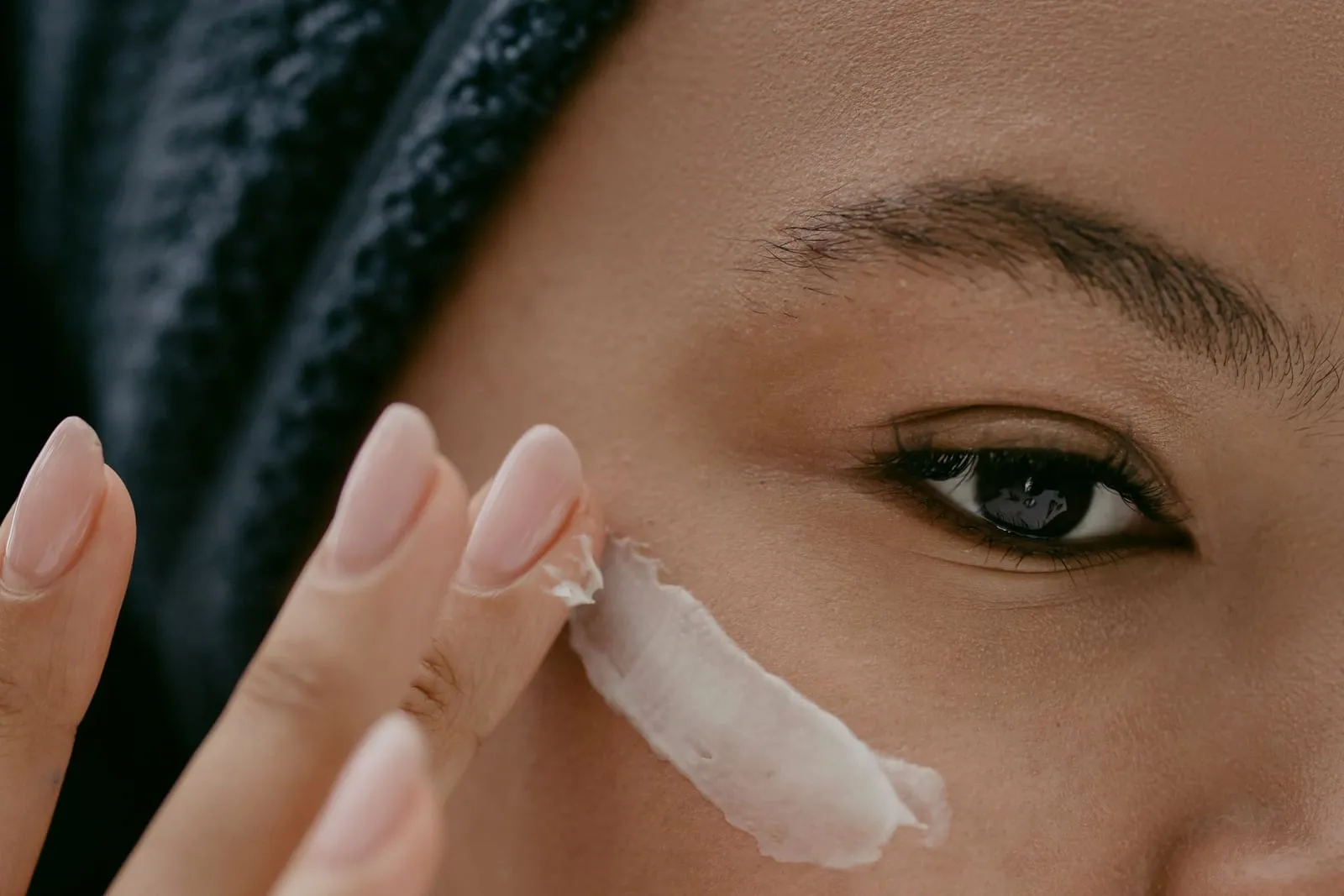
Patch-testing feels slow, but it is the cheapest insurance in skincare. It also protects your wallet, because you find out a product does not suit you before you have used half the bottle.
Stop if your skin reacts
Burning, swelling, hives or a rash means stop using the product. Tingling is not a sign it is working. If irritation sticks around or your skin changes suddenly, see a dermatologist.
Keep a simple record while you wait out each trial period.
Write the date on every new bottle
Use a marker or a strip of masking tape to note the day you started each product. It keeps the one-at-a-time rule honest, and it tells you when a product has been open too long.
Skincare Myths vs. Facts
| Myth | Fact |
|---|---|
| More steps mean better results. | More steps mean more chances for irritation and more to remember. A short routine you follow wins. |
| You must wait 10 minutes between layers. | About a minute is usually enough. Wait longer only if your products pill. |
| Sunscreen goes on first so it can soak in. | Sunscreen goes on last among your skincare steps, before makeup. |
| Oily skin does not need moisturizer. | Every skin type can use a light, gel-style moisturizer. |
| A stinging product means it is working. | Stinging or burning is a reason to stop and rinse it off. |
Troubleshooting: If Your Routine Isn’t Working
Your Products Pill or Roll Into Little Balls
Pilling usually means too much product or layers that had no time to settle. Use half the amount, wait a minute between steps and press the product in instead of rubbing.
Your Face Feels Tight After Cleansing
Hot water and strong, foamy cleansers are the usual causes. Switch to lukewarm water and a creamy cleanser, and put your moisturizer on within a minute.
Your Face Gets Shiny by Lunchtime
Try a lighter gel moisturizer in the morning, and use less of it. A thin layer under sunscreen usually feels better than a thick one.
Your Makeup Slides Around
Sunscreen and moisturizer need a few minutes to settle before makeup. Pat foundation on with a clean sponge instead of dragging it across your face.
You See Redness, Burning, a Rash or Breakouts That Won’t Go Away
Stop adding new products and go back to the three-step minimum. If the problem lasts more than a couple of weeks, or it gets worse, book a visit with a dermatologist.
Your Next Step
Tonight, run the evening version of the three-step minimum: cleanse, moisturize, done. Tomorrow morning, add sunscreen as your final step. Our guide on how to apply sunscreen on your face shows how much to use and when to reapply.
Frequently Asked Questions
What order should I apply skincare products in?
Do I need every step in a skincare routine?
How long should I wait between skincare layers?
Does sunscreen go before or after moisturizer?
You might also like
More in Self-Care →
How to Apply Sunscreen on Your Face the Right Way
Learn how to apply sunscreen on your face the right way: how much to use, when to put it on, how often to reapply and how to wear it under makeup.

Journaling for Beginners: How to Start (Plus 30 Prompts)
Journaling for beginners, made simple: try 5 easy styles, start in 5 minutes, keep the habit going and use 30 prompts for any kind of day. Grab a pen!

Natural Makeup Look: A 5-Minute Step-by-Step Tutorial
Learn a natural makeup look in 5 minutes: SPF, concealer, blush, brows, mascara and lip balm, plus shade-matching tips and a step table. Try it tomorrow!