Silk Pillowcase Hair Benefits: Silk vs Cotton Compared
Silk pillowcase hair benefits, compared with cotton: friction, frizz, moisture, price and care. See which suits your hair type and try cheap hacks first.
In this article
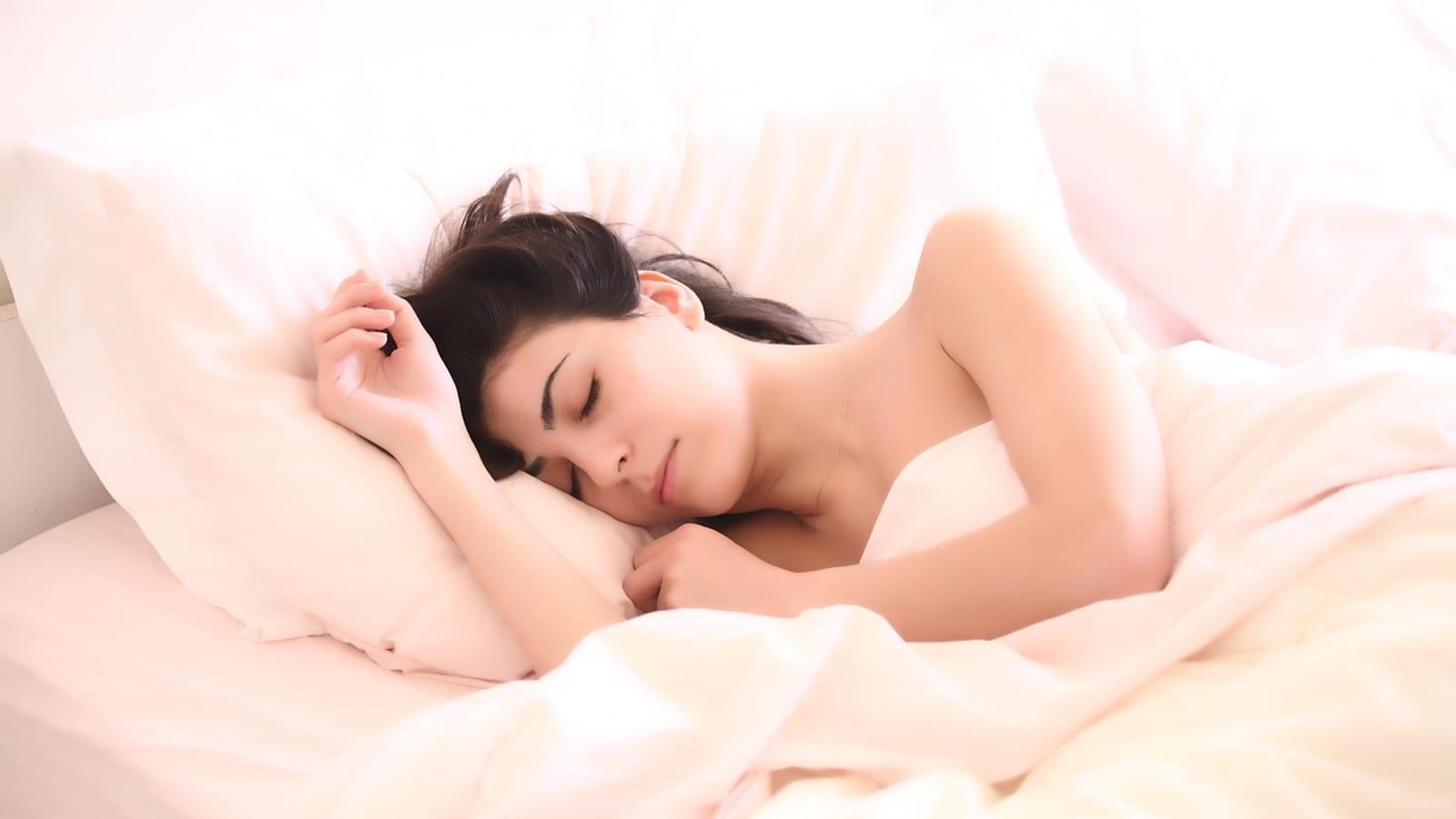
You wake up with a nest at the back of your head, creases in your curls and a pillow that looks like it fought you. Is your cotton pillowcase to blame, and will a silk one fix it? Here is how silk, satin and cotton compare, what silk pillowcase hair benefits are real (and which are hype), and which cheap tricks to try before you spend money.
Key takeaways
- Silk and satin are smoother than most cotton, so hair slides instead of snagging overnight.
- Cotton is more absorbent, which can pull some moisture from hair and skin products.
- A pillowcase helps with tangles and frizz, but it won’t repair damage or make hair grow faster.
- Silk is a natural fiber and costs more; satin is a weave, often polyester, and costs less.
- Pair any pillowcase with a loose bonnet, scarf or braid for the best results.
Silk Pillowcase Hair Benefits: What Actually Helps
The idea is simple. While you sleep, your head moves dozens of times. A rough surface grips hair and drags on it, while a smooth surface lets it glide. Less friction usually means fewer tangles, less frizz and less breakage at the ends.
There is no big clinical trial showing silk repairs hair, so think of it as a gentle, low-effort habit. It helps most if your hair is long, curly, fine, color-treated or already prone to breakage.
Did you know?
Silk comes from the cocoon of the silkworm, which is made from a single continuous thread that can be hundreds of meters long. Cotton, by contrast, is made from short plant fibers that are spun into yarn, which is one reason cotton feels less slick.
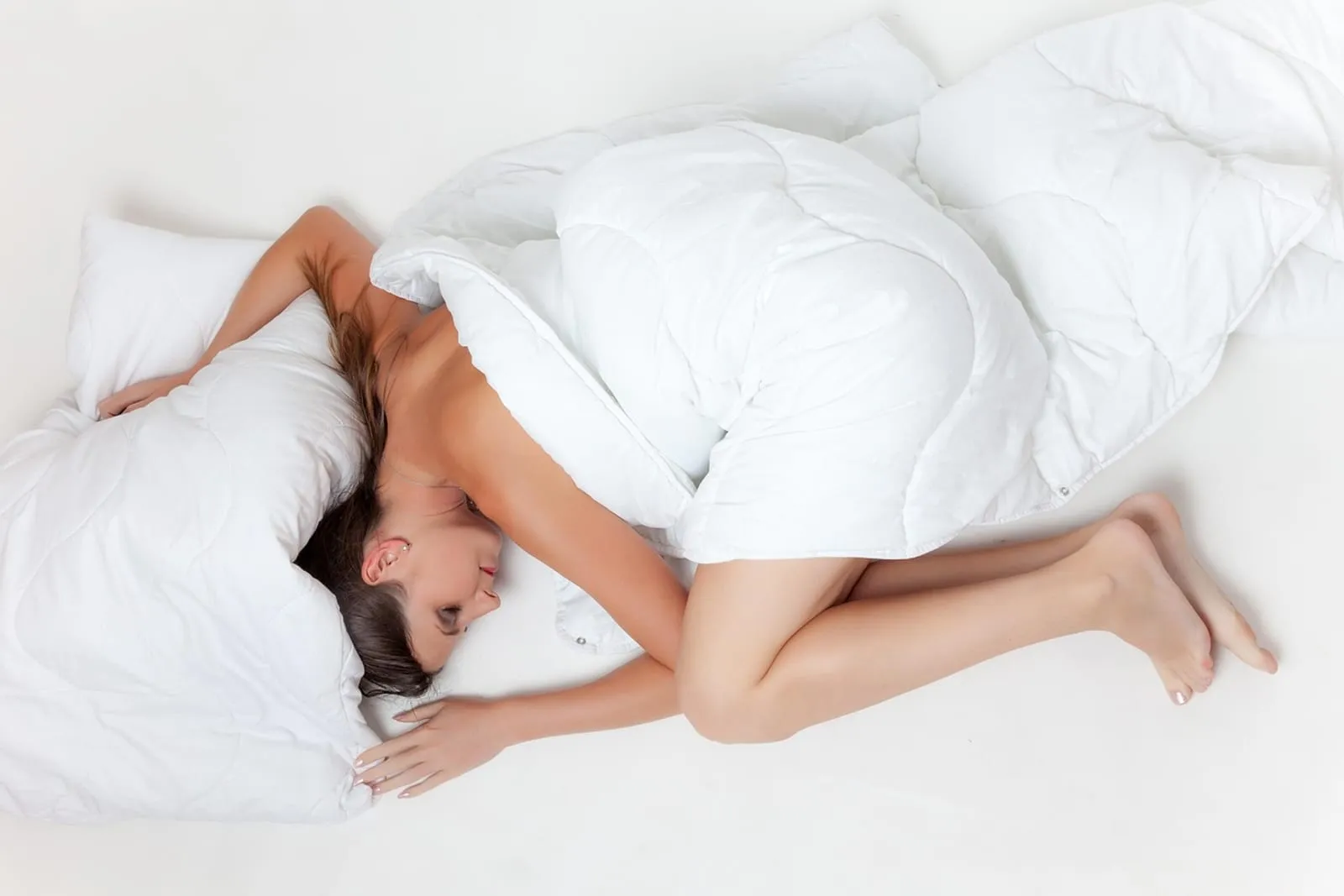
Friction is also one of the everyday habits that wear hair down over time. The American Academy of Dermatology lists gentle handling, such as avoiding rough brushing and towel-rubbing, among its basic hair care tips, and a smoother sleeping surface fits the same idea.
Think of what happens on a typical night. You turn over 20 or more times, your hair gets pinned under your shoulder, and the strands rub against the fabric each time you move. A smooth surface reduces that rubbing. It also keeps your hair from soaking up the leave-in conditioner or oil you applied before bed, which is why dry and curly hair types tend to notice the biggest difference.
Silk vs Satin vs Cotton: The Comparison
| Silk | Satin | Cotton | |
|---|---|---|---|
| What it is | Natural fiber from silkworms | A weave, often polyester | Natural plant fiber |
| Feel | Very smooth, cool | Smooth, slippery | Soft but less slick |
| Friction on hair | Low | Low | Higher (depends on weave) |
| Absorbency | Moderate | Low | High |
| Typical price | Highest | Low to medium | Low |
| Care | Gentle wash, air dry | Easy, often machine washable | Easy, machine washable |
| Best for | Dry, curly, fragile hair | Budget-friendly smoothness | Hot sleepers, simple care |
Did you know?
Momme is a traditional Japanese unit used to describe silk weight. A higher momme number means more silk per square meter of fabric, so the fabric is denser.
Note that “satin” is not a fiber. A satin weave made from silk is silk satin, and a satin weave made from polyester is polyester satin. Check the label if you want real silk.
How Each Fabric Affects Your Hair
Silk
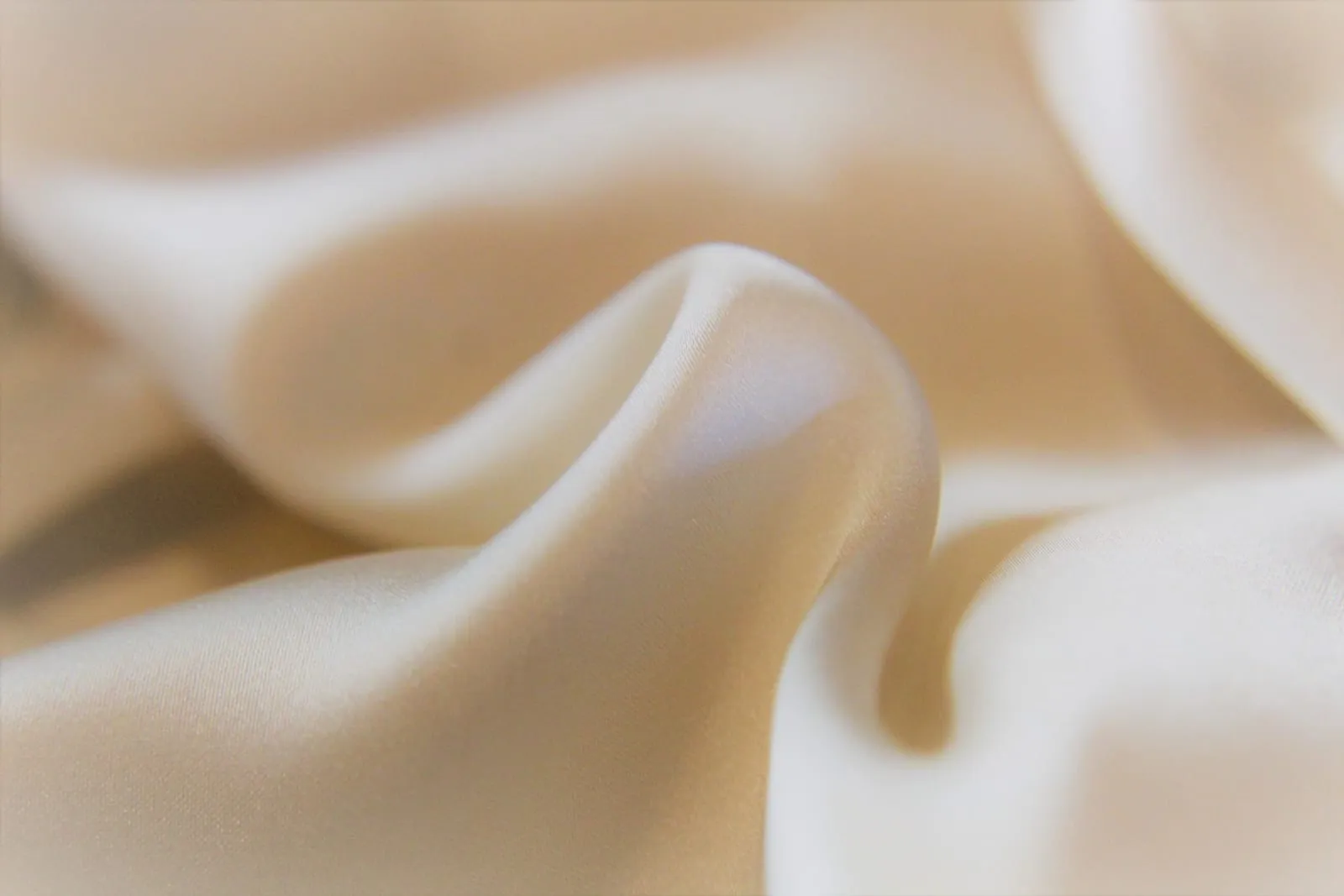
Silk has a smooth surface and is a natural fiber. Hair slides across it with very little drag. It is also less absorbent than cotton, so more of your overnight conditioner or oil stays on your hair.
Satin
Satin gives a similar slippery feel at a lower cost. Quality varies, so look for a tight, smooth weave. Some people find polyester satin warm, so it may not suit hot sleepers.
Cotton
Cotton is breathable and easy to wash, and a tight weave such as percale is smoother than a loose one. But cotton absorbs moisture, so it can soak up leave-in products. A very high thread count doesn’t guarantee a smoother surface.
The fingertip drag test
Before you buy, drag a fingertip across the fabric and then across your hair. If the fabric catches on dry skin or your hair sticks to it, expect more friction overnight.
Which Pillowcase Is Right for Your Hair?
Use this quick guide to match the fabric to the way you sleep.
| If your hair is… | Try |
|---|---|
| Curly or coily, tangles overnight | Silk or satin, plus a bonnet |
| Long and tangles easily | Silk or satin |
| Fine or straight, no tangle trouble | Either works; choose by comfort |
| Dry or color-treated | Silk or satin |
| Oily or you sleep hot | Breathable cotton percale or a thin silk case |
| Short and low maintenance | Whatever you already have |
For more night-time curl protection, see our guide to sleeping with curly hair.
How to Choose a Good Silk Pillowcase
- Look for “mulberry silk” or “100% silk” on the label if you want the natural fiber.
- Check the momme. Many pillowcases range from about 19 to 25. Higher numbers mean heavier, denser fabric.
- Pick a hidden zipper or envelope closure so the pillow doesn’t slip out.
- Buy two, so one can be washed while the other is in use.
Silk needs gentle care
Many silk pillowcases are hand-washed or machine-washed on a delicate cycle in cool water with a mild detergent, then air-dried. Always follow the care label on yours.
Cheaper Ways to Reduce Overnight Frizz
You don’t have to start with a silk pillowcase. These cost less and often help just as much.
- A silk or satin bonnet or scarf covers your hair so it never touches the pillow.
- A loose braid or pineapple keeps hair together. Our sleep with curly hair guide shows how.
- Go to bed with fully dry hair, because wet hair is more fragile.
- A pinch of leave-in conditioner on the ends adds slip. If frizz is your main problem, our frizzy hair fixes has more ideas.
The old T-shirt swap
If you’re on a budget, a smooth, tightly woven cotton pillowcase washed often is a decent starting point. Wrap your hair in a satin scarf and you get most of the slide without a new pillowcase.
Troubleshooting: If It’s Not Helping
You Still Wake Up Tangled
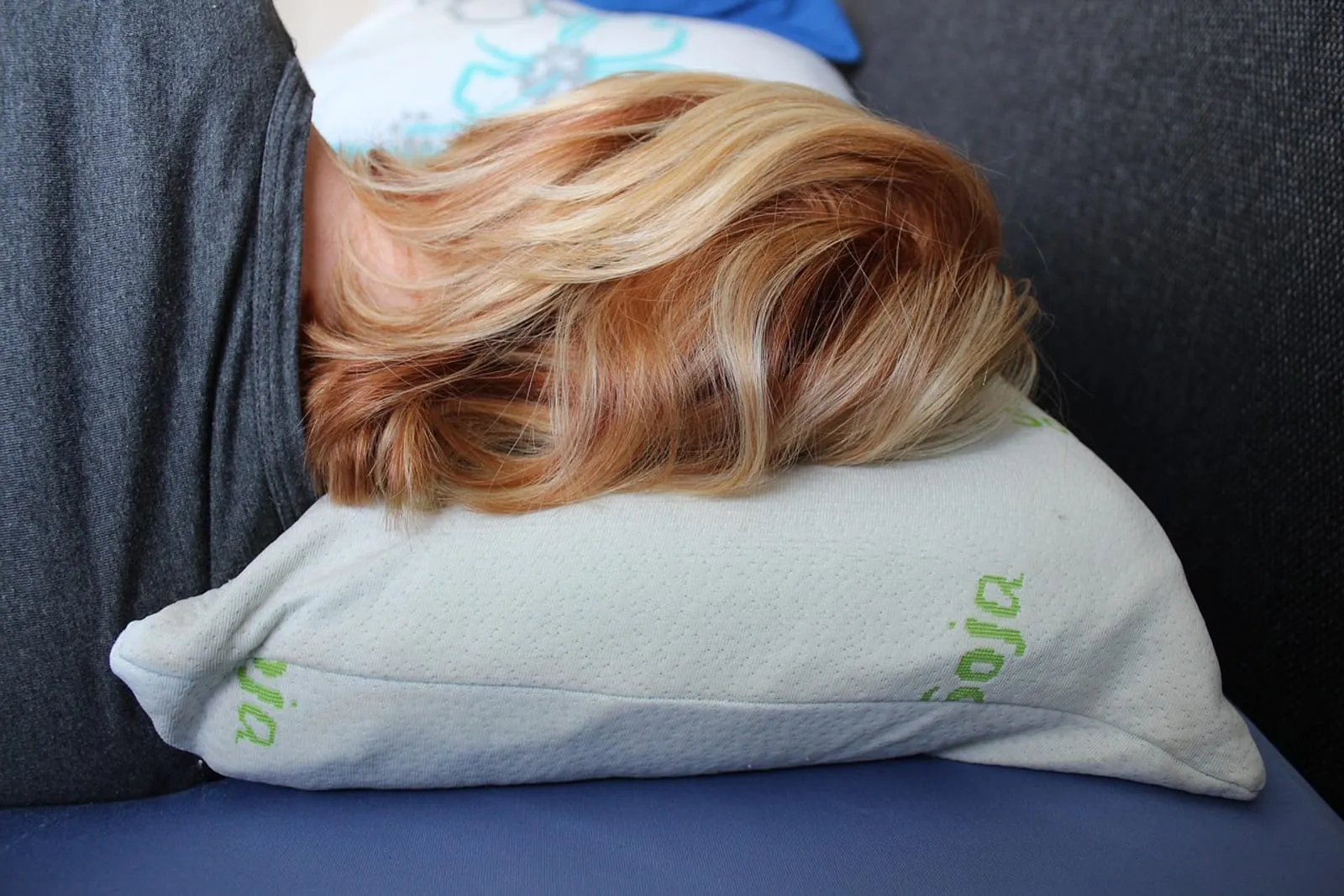
The pillowcase is only one piece of it. Tie hair up loosely, try a bonnet and avoid sleeping on tight styles.
Your Hair Still Feels Dry
Check your wash and conditioner routine first, as dryness usually starts there. Our guide to deep conditioning curly hair is a good place to begin.
The Pillowcase Is Too Slippery
Smooth fabric can slide your head off a flat pillow. Try a fitted bonnet, or switch to a lighter satin or a silk-cotton blend.
Your Skin Breaks Out
Change your pillowcase more often, wash it in a fragrance-free detergent and keep hair products off your face. If breakouts persist, talk to a dermatologist.
You Sleep Hot
Choose breathable cotton percale or a thin silk case, and skip heavy polyester satin.
Your Next Step
Start with the cheapest change: tie your hair up loosely, cover it with a satin scarf or bonnet and see how you wake up. If you still want a silk pillowcase, buy one case and compare it with your cotton one for a few weeks. For more on protecting hair overnight, read our guide to sleeping with curly hair.
Frequently Asked Questions
Is a silk pillowcase really better for hair?
What is the difference between silk and satin pillowcases?
What does momme mean on a silk pillowcase?
How often should I wash my pillowcase?
You might also like
More in Hair Care →
Best Hair Oils for Every Hair Type (and How to Use Them)
Find the best hair oils for your hair type, from fine and oily to thick and coily. Compare 7 oils, learn how much to use and avoid greasy hair. Start here!
Scalp Care 101: Fix an Itchy, Oily or Flaky Scalp
Scalp care made simple: learn what causes an itchy, oily or flaky scalp, what to wash with, and when to see a dermatologist. Calm your scalp today!

Apple Cider Vinegar Hair Rinse: Does It Work?
Does an apple cider vinegar hair rinse really make hair shinier? See the science, the safe ratio, how often to rinse and who should skip it. Try it once!