How to Build a Capsule Wardrobe: A Beginner's Step-by-Step Guide
Learn how to build a capsule wardrobe step by step: audit your closet, pick a color palette, use a flexible formula and buy one piece at a time. Start today!
In this article
- What Is a Capsule Wardrobe?
- Step 1: Audit What You Already Wear
- Step 2: Choose a Color Palette
- Step 3: Use a Flexible Capsule Wardrobe Formula
- Step 4: Build Three Starter Outfit Sets
- Step 5: Buy One Piece at a Time
- Step 6: Rotate With the Seasons
- Troubleshooting: If Your Capsule Wardrobe Is Not Working
- Your Next Step
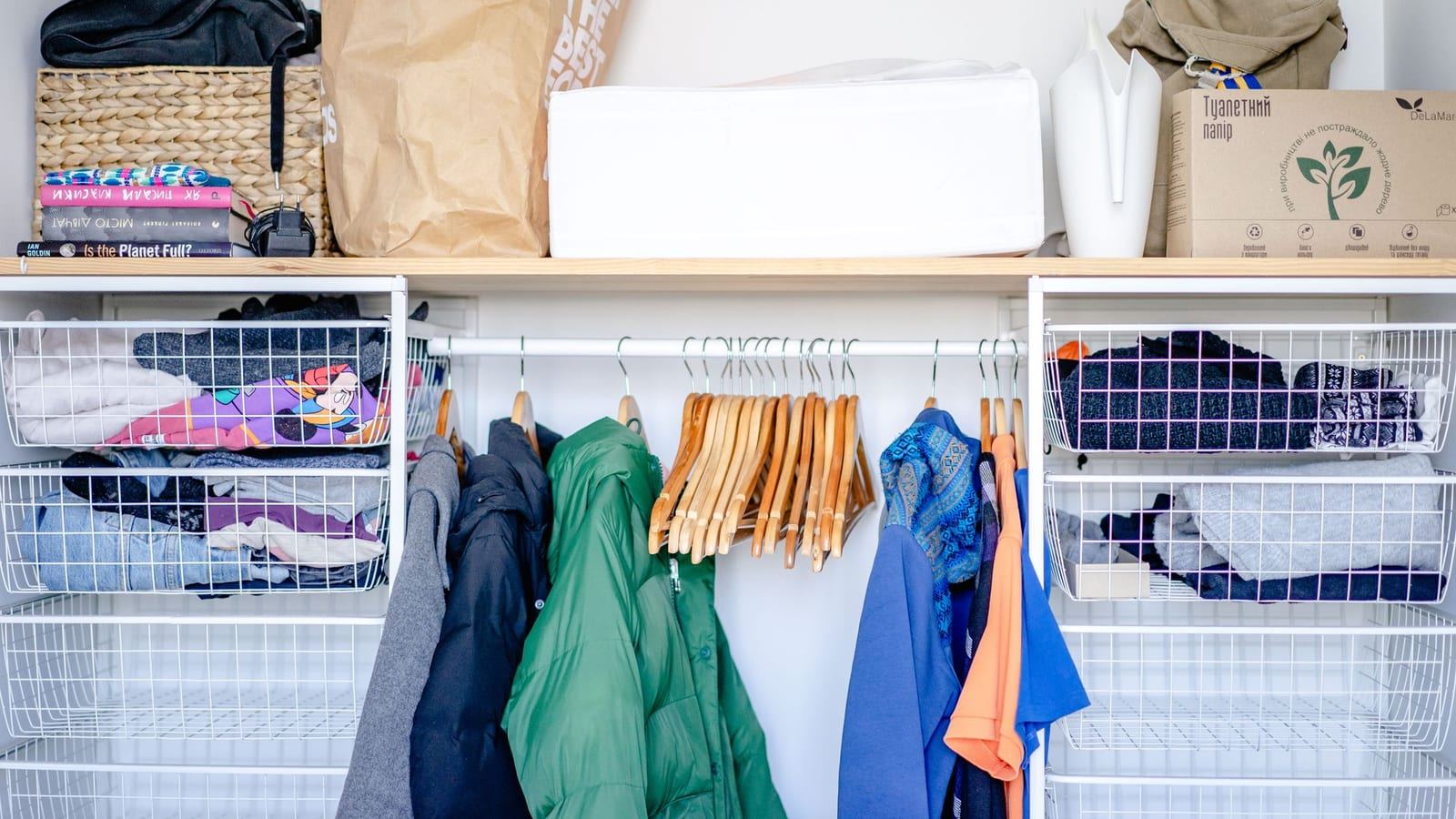
Standing in front of a full closet and thinking “I have nothing to wear” is a classic reason to try a capsule wardrobe. The fix is rarely more clothes. It is a smaller set of pieces that all work together. This beginner’s guide shows you how to build one in six steps, using mostly what you already own.
Key takeaways
- A capsule wardrobe is a small set of mix-and-match pieces chosen for your real life, not a fixed number.
- Start with an audit. Wear-test what you own before you buy anything.
- Pick two or three neutrals plus one or two accent colors, so most tops work with most bottoms.
- Use the “how many of what” formula as a flexible range and adjust it to your climate and laundry habits.
- Add one piece at a time, and rotate with the seasons instead of replacing everything.
What Is a Capsule Wardrobe?
A capsule wardrobe is a small collection of versatile pieces that mix and match into many outfits. Think of it as the core of your closet: clothes you wear often and feel good in, plus a few extras for variety. Most people build one for each season, and there is no single right size or style.
The payoff is practical. You make fewer decisions in the morning, see everything you own at a glance, and shop from a clear list instead of by impulse. A few common worries are worth clearing up first.
| Myth | Fact |
|---|---|
| A capsule wardrobe is all beige and boring. | You choose the palette. Bright colors work as long as they go together. |
| You must own exactly 30 (or any set number of) pieces. | Numbers online are starting points. Your total should fit your week. |
| You have to get rid of everything else. | You can box up the extras and decide later. |
| You need to buy all new clothes. | Most beginners start with what is already in the closet. |
Step 1: Audit What You Already Wear
Begin with evidence, not guesses. Pull out the clothes you wore in the last two weeks, starting with the laundry basket and the outfits you repeat. Those pieces are the seed of your capsule.

Now go through everything else and ask four questions about each piece:
- Does it fit me today?
- Do I feel good in it?
- Does it suit my real week, including work, weather and weekend plans?
- Does it work with at least three other things I own?
Sort pieces into four piles: core (wear often), maybe (box it up and put the date on it), gaps (what you wish you had) and let go. If you have not opened the “maybe” box in three months, donate it. For the full empty-and-sort routine, follow our guide to declutter a small closet.
Keep a two-week outfit log
Snap a quick mirror photo of whatever you wear each day for two weeks. You will see the colors, shapes and combinations you actually reach for, and that is the best blueprint for your capsule.
Step 2: Choose a Color Palette
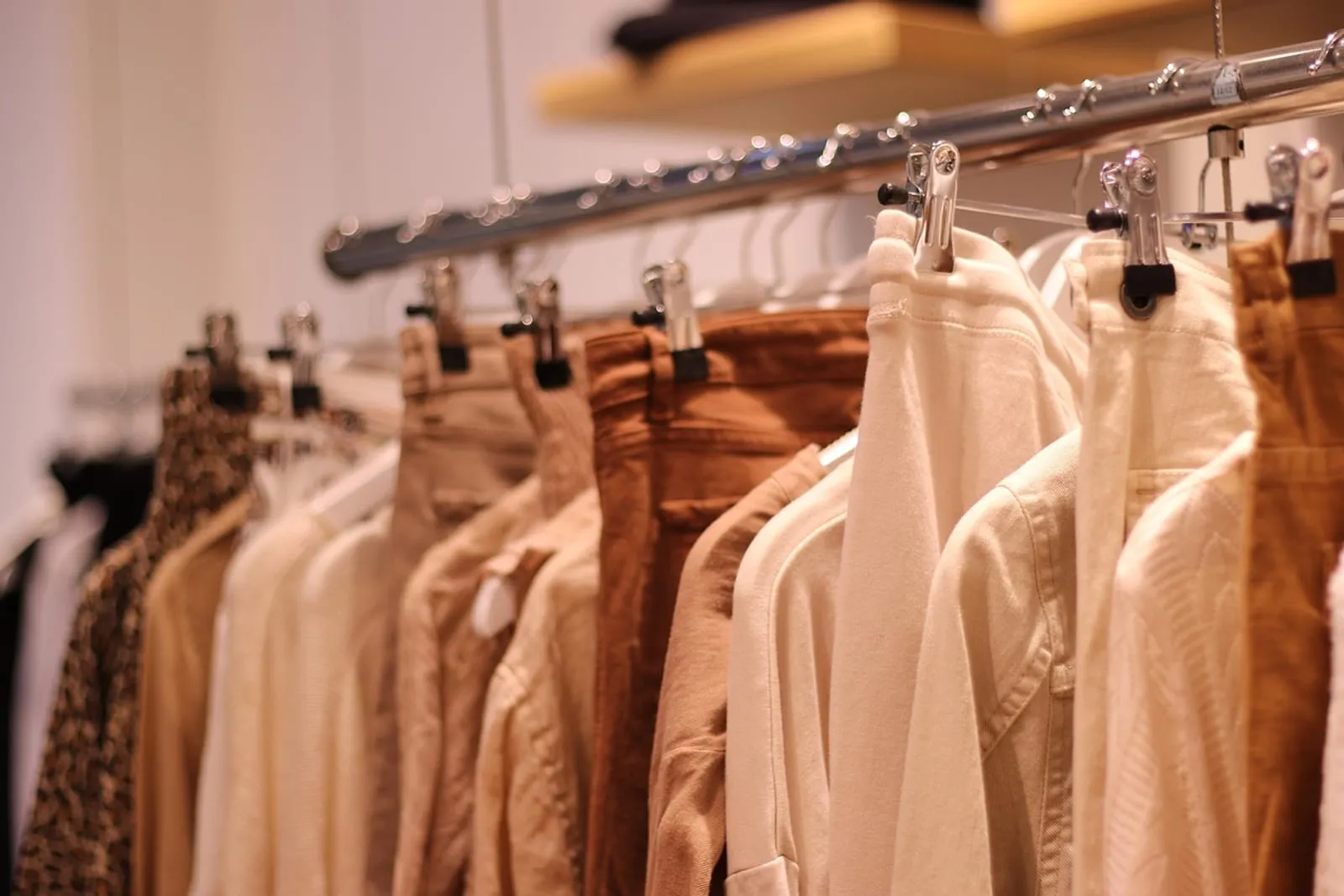
A tight palette is what turns a pile of clothes into a capsule wardrobe. Choose two or three base neutrals and one or two accent colors. Neutrals such as navy, black, charcoal, cream, tan and denim go with almost everything, and accents add personality.
Look at your outfit log for accent ideas. The colors you already wear most are usually the right ones.
| Role | How many | Best used for | Examples |
|---|---|---|---|
| Base neutrals | 2–3 | Pants, coats, shoes, bags | Navy, charcoal, tan |
| Light neutrals | 1–2 | Tees, shirts, knits | White, cream, light gray |
| Accent colors | 1–2 | Tops, scarves, accessories | Olive, burgundy, soft pink |
Put your neutrals in the pieces that last longest, like coats, trousers and shoes. Test bolder colors in cheaper, easy-to-swap items such as tees and scarves.
Step 3: Use a Flexible Capsule Wardrobe Formula
There is no official count, so treat these ranges as a starting point rather than a rule. Move up or down based on your life.
| Category | Starting range | Go higher if… |
|---|---|---|
| Tops (tees, blouses, shirts) | 5–8 | You do laundry once a week or less |
| Sweaters and knits | 2–4 | Your winters are cold |
| Bottoms (jeans, trousers, skirts) | 3–5 | You dress up for work |
| Dresses or jumpsuits | 1–2 | You already wear them often |
| Layers (blazer, cardigan, light jacket) | 2–3 | Temperatures swing a lot |
| Coat or heavy jacket | 1–2 | You have long, cold winters |
| Shoes | 3–4 | You walk a lot or have a dress code |
Underwear, socks, sleepwear, workout clothes and special-occasion outfits live outside the count. Add the ranges and you land at roughly 17 to 28 pieces, but the right total is the one that gets you through your week with clean clothes.
Did you know?
The math works in your favor. Six tops and four bottoms make 24 combinations, and adding one of three toppers (or none) brings it to 96 outfits on paper. Not every combination will look good, but even a fraction is more variety than most people use.
Step 4: Build Three Starter Outfit Sets
A piece earns its place by working in more than one outfit. Here are three example sets to copy, with swaps that stretch each one. Replace the colors and items with your own.
| Set | Pieces | Easy swap |
|---|---|---|
| Workday | Light button-down, navy trousers, gray cardigan, loafers | White sneakers for a casual day |
| Weekend | Straight-leg jeans, striped tee, denim jacket, sneakers | Wear the button-down open over the tee |
| Evening out | Black trousers, knit top in an accent color, blazer, ankle boots | Jeans and the button-down for a relaxed night |
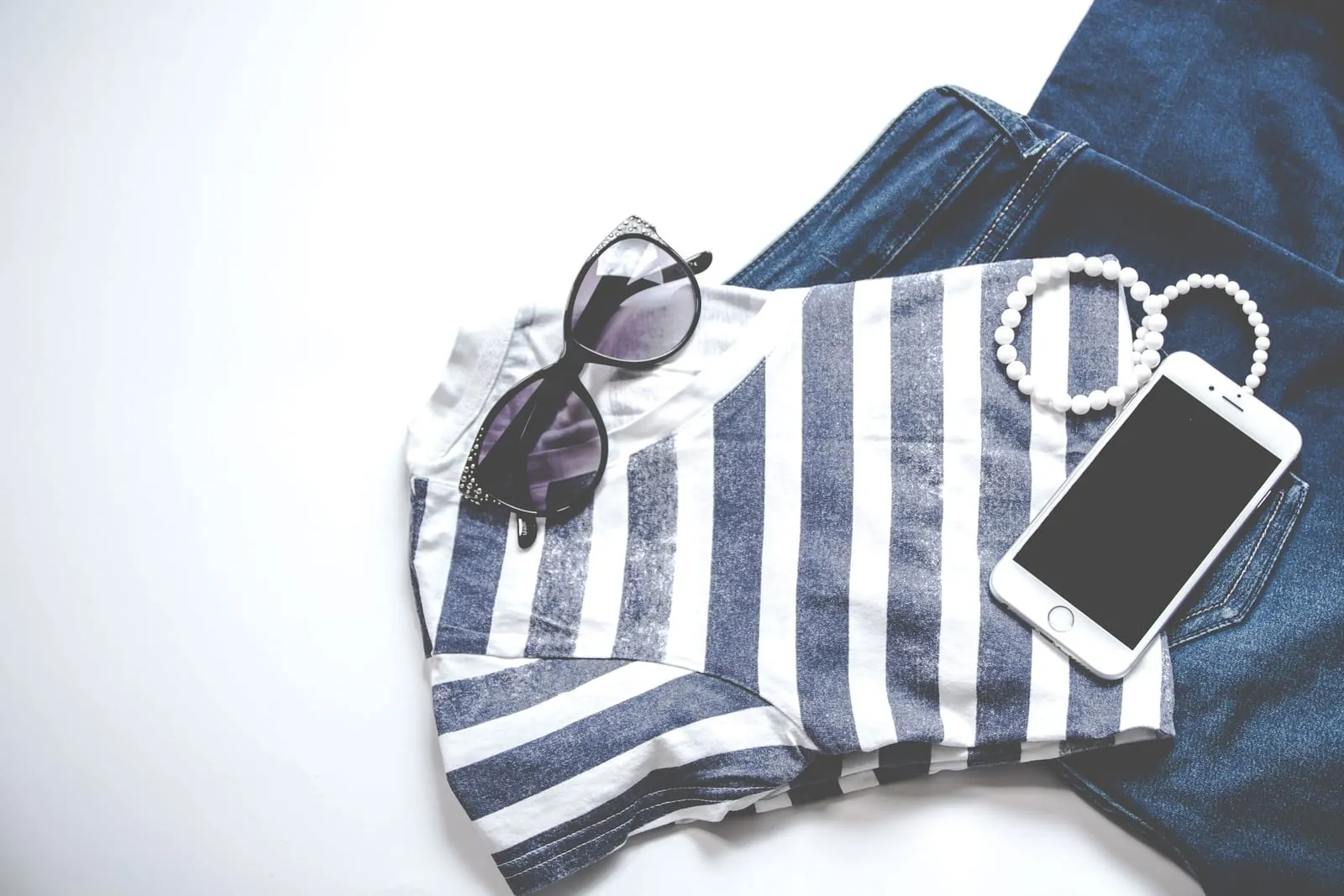
Notice the overlap: the button-down, the sneakers and the trousers show up more than once. That repetition is what makes a capsule wardrobe work, and it is why you can own fewer clothes without wearing the same outfit every day.
Change the look with accessories
A scarf in your accent color, a belt or simple jewelry makes the same base outfit look new. Accessories take up little space and cost far less than another top.
Step 5: Buy One Piece at a Time
Turn your “gaps” pile into a short, specific list. “Dark straight-leg jeans” is a useful entry, while “jeans” is not. Then buy one item at a time, and run each candidate through these checks:
- The three-outfit test: can you make three outfits with it from clothes you own?
- The 30-day wait: keep it on your list for a month. If you still want it and it passes the first test, buy it.
- The label check: look at the fiber content and care instructions. If you will not machine wash it, will you really keep it clean?
- The fit check: try it on with the shoes you would wear, and consider a tailor for a hem or waist.
A sale is not a reason to buy
A discount only saves money on something you would buy anyway. If a piece is not on your gap list or does not fit your palette, the lowest price is still wasted money.
Also try cost per wear: the price divided by how many times you wear the piece. A $60 sweater worn 30 times costs $2 per wear, while a $20 top worn 4 times costs $5 per wear. It is the same idea as checking the unit price at the supermarket, which we cover in our guide to saving money on groceries. When a new piece comes home, let one go.
Did you know?
The EPA estimated that the US generated 17 million tons of textiles in 2018, a category that includes clothing and footwear, and that 11.3 million tons ended up in landfills. See the EPA’s textiles data for the details.
Step 6: Rotate With the Seasons
You do not have to start over each season. Keep the pieces that work year-round, such as jeans, tees and a trench or cardigan, and swap the rest. Move off-season clothes into a bin or under-bed box and bring in the next set.
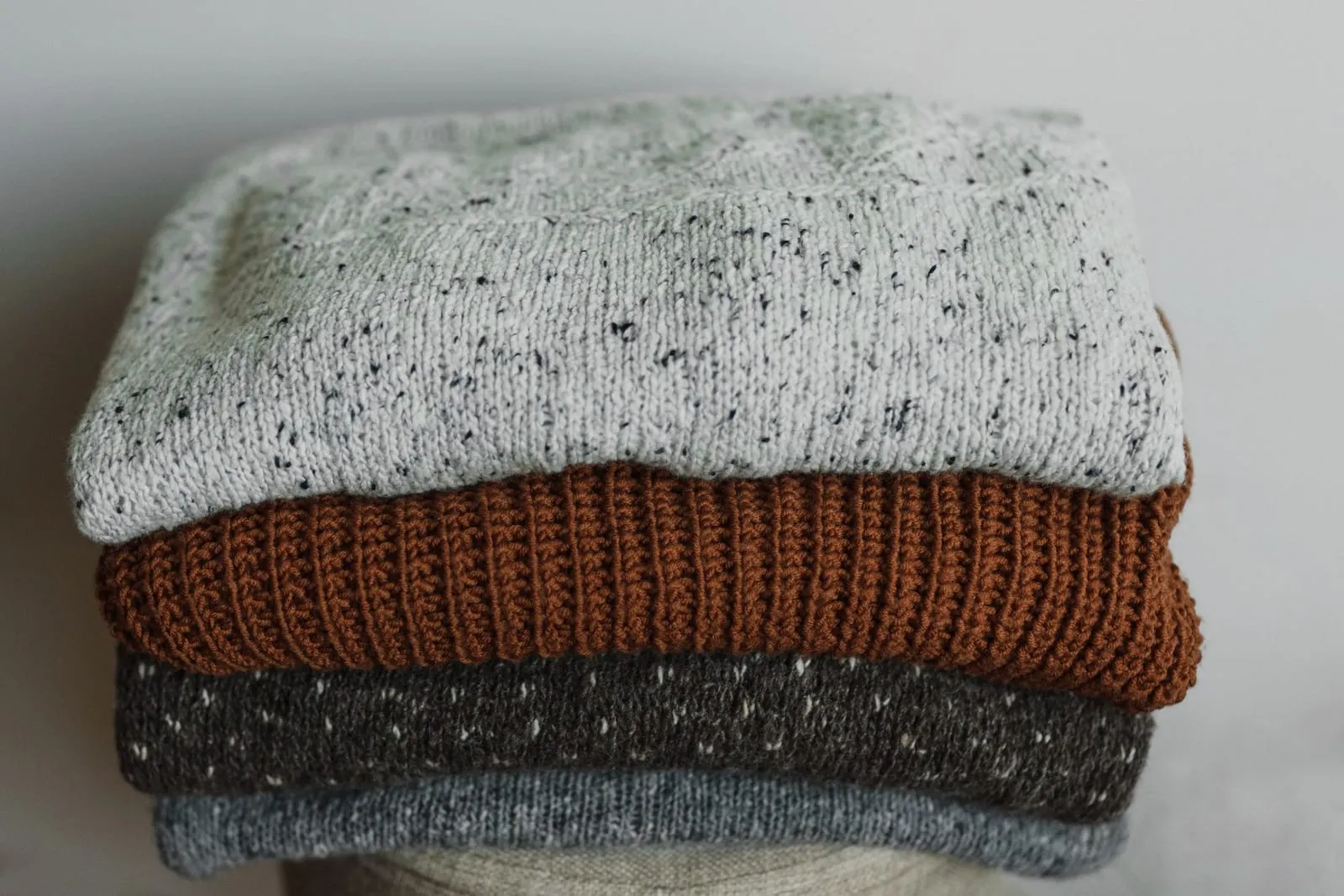
Wash or dry-clean everything before you store it, and treat any stains first with our stain removal chart. Pack clothes in breathable cotton bags or sturdy bins, and keep them somewhere cool and dry, not in a damp basement.
Did you know?
Clothes moths themselves do not eat fabric. The damage comes from their larvae, which feed on natural animal fibers such as wool. Clean clothes in closed storage are a simple way to protect your knits.
At each season change, try on every stored piece for a minute. If it does not fit or you would not choose it today, donate it instead of storing it again.
Troubleshooting: If Your Capsule Wardrobe Is Not Working
You Feel Bored
Add one new accent piece or change accessories before you buy anything big. Boredom usually fades once you have worn the capsule for a few weeks.
You Are Doing Laundry Constantly
The number of tops is usually the bottleneck. Add two more tees or base layers rather than rebuilding the whole capsule.
Nothing Works for Special Events
Keep a separate shelf for event outfits that does not count toward your capsule. Pull from it when you need it.
You Keep Wearing Things Outside the Capsule
Go back to the audit. Your capsule should match the life you have, not the one in a photo. Swap in what you reach for.
Clothes Wear Out Faster
You are wearing the same pieces more often, which is the point. Follow the care labels, wash only when needed, and rotate similar items.
Try the free tool
Wondering if a piece is worth buying? Our Cost Per Wear Calculator shows what each wear really costs and how many wears it takes to reach your target.
Your Next Step
Set a timer for 30 minutes this weekend and do Step 1 only. Pull out the clothes you wore recently and sort the rest into four piles. Then use our declutter small closet guide to make room, and read our morning routine ideas to turn those saved minutes into a calmer start to the day.
Frequently Asked Questions
How many pieces should a capsule wardrobe have?
Do I have to buy new clothes to start a capsule wardrobe?
What colors work best in a capsule wardrobe?
Can a capsule wardrobe work for a busy family or a casual job?
You might also like
More in How-To →
How to Save Money on Groceries: 15 Habits That Add Up
Learn how to save money on groceries with 15 simple habits, from unit prices and store brands to smarter storage and batch cooking. Start with one today!

Stain Removal Chart: How to Get Out 12 Common Stains
Use this stain removal chart to treat coffee, red wine, blood, grease, ink and 7 more stains. Get the right water temperature and what to avoid. Save it!
How to Remove Sticker Residue: 9 Methods by Surface
Remove sticker residue from glass, plastic, wood, metal, fabric and laptops with 9 safe home methods and a simple surface chart. Pick yours and start today!