New Moon and Full Moon Rituals: 12 Simple Ideas
New moon and full moon rituals made simple: 12 easy ideas for journaling, tidying, tea and walks, plus a phase-by-phase table. Pick one to try tonight!
In this article
Want a monthly reset that doesn’t need a shopping list, a free afternoon or a shelf of crystals? New moon and full moon rituals are simply two built-in reminders, about two weeks apart, to stop and ask yourself a few honest questions. Below you get 12 simple ideas for journaling, tidying, tea and walks, each taking 5 to 15 minutes, plus a phase-by-phase table you can save.
Astrology and moon lore are cultural traditions, and there is no scientific evidence that the Moon changes your luck, health or relationships. So think of these rituals as prompts for self-reflection, much like New Year’s Day is a prompt. The astronomy, on the other hand, is solid fact, and it comes first.
Key takeaways
- The new moon is the traditional moment for fresh starts, and the full moon is the traditional moment for taking stock. They fall about two weeks apart.
- Every ritual below takes 5 to 15 minutes and needs only a pen, a mug, a candle or a pair of shoes.
- You do not need the exact minute of the phase. The evening before, of or after works fine.
- The cheat-sheet table matches each phase with an idea and the things you need.
- These are journaling and calm-down habits, not health treatments or predictions.
Why We Get a New Moon and a Full Moon
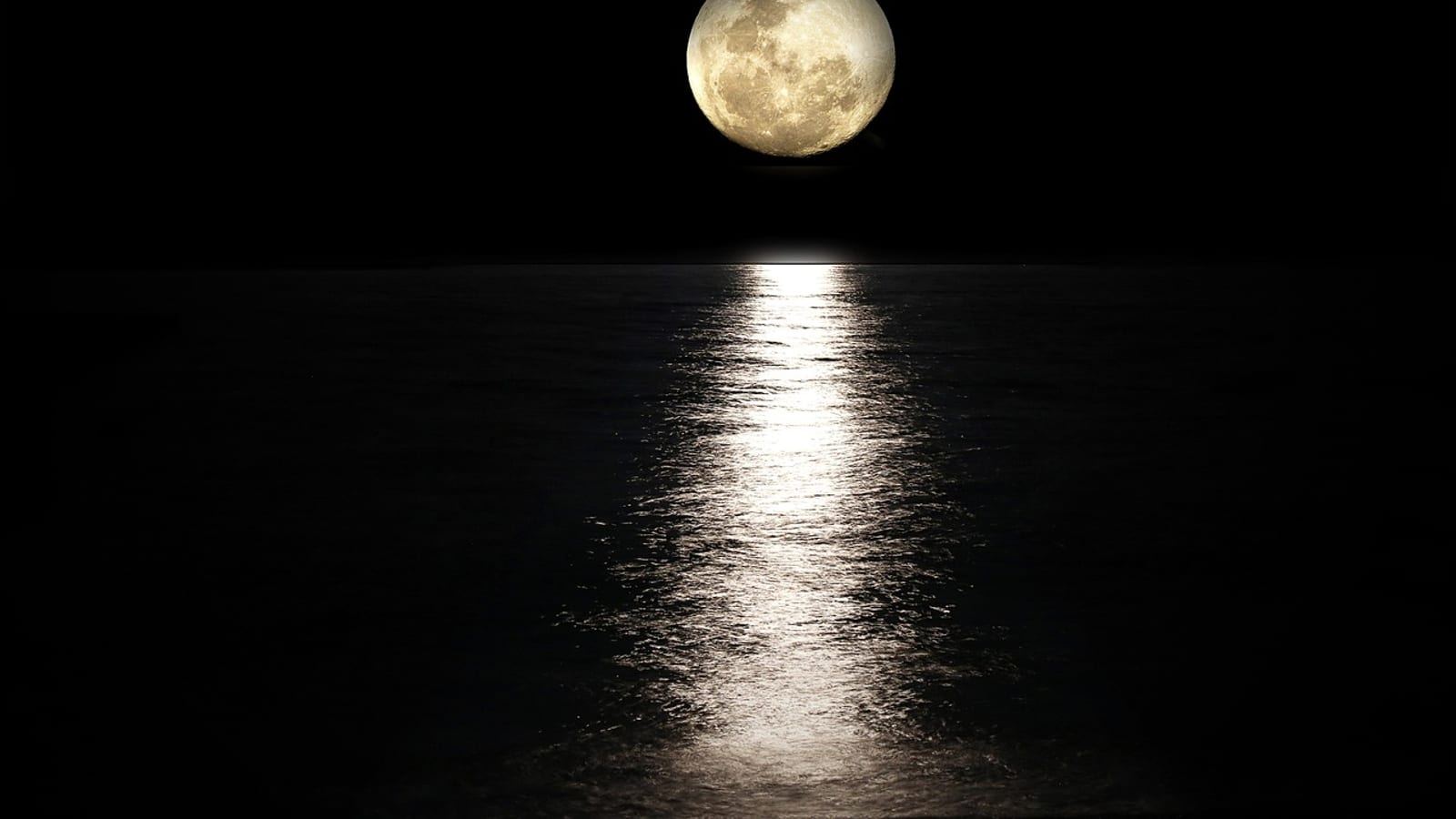
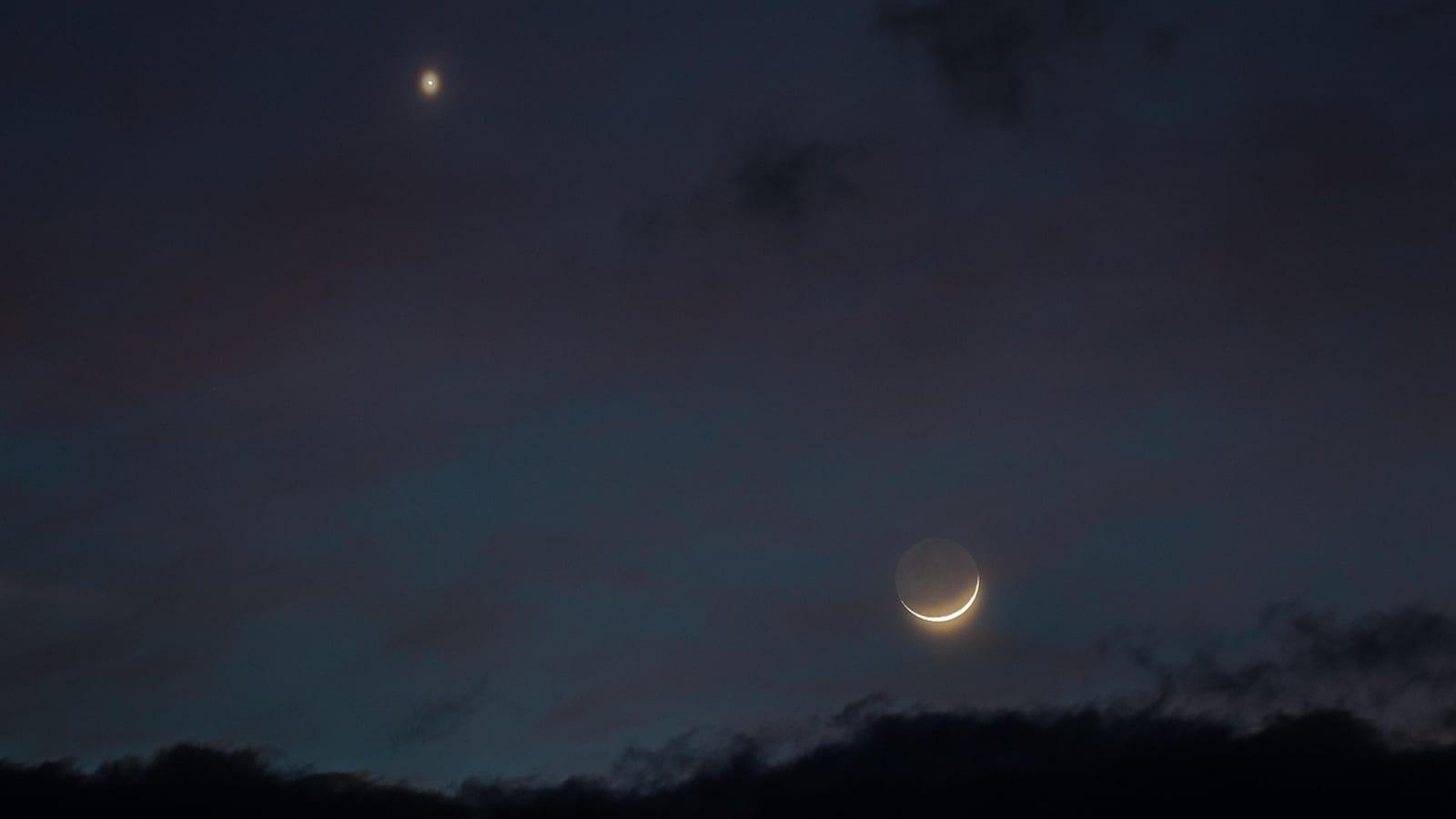
The Moon makes no light of its own. It reflects sunlight, and half of it is lit at any moment. As the Moon circles Earth, we see more or less of that lit half. At a new moon, the Moon sits roughly between Earth and the Sun, so its lit side faces away from us and it all but disappears. At a full moon, Earth sits roughly between the Sun and the Moon, so we see the whole lit face.
The cycle takes about 29.5 days, which is why new and full moons land about two weeks apart and most years have 12 or 13 full moons. Our moon phases guide walks through all eight phases if you want the full picture.
Did you know?
The Moon rises about 50 minutes later each day on average, because it keeps travelling along its orbit while Earth spins. That is why a full moon rises near sunset, but two nights later it rises about 100 minutes after sunset. NASA’s moon phases page explains the cycle.
You might wonder why we don’t get an eclipse every month. The Moon’s orbit is tilted about 5 degrees compared with Earth’s path around the Sun, so the three bodies rarely line up exactly. When they do, a solar eclipse can happen at a new moon and a lunar eclipse at a full moon.
12 New Moon and Full Moon Rituals to Try This Month
Pick one idea from each group this month, not all twelve. A ritual works because it is small, repeatable and tied to a date on the calendar, not because it is elaborate.

New Moon Rituals: Start Fresh
Astrologers call the new moon a blank page. These four ideas treat it like one.
1. The three-line intention page (5 minutes). Date a fresh page and finish three sentences: “This month I would like more…”, “I am ready to try…” and “One small step is…”. Write hopes, not promises, so the page stays kind. Tuck it somewhere you will see it, such as the inside of a cabinet door.
Fold the page in half
Draw a line down the middle of your notebook page and label the left side “invite” and the right side “release”. Fill in the left side at the new moon, then come back to the same page at the full moon and fill in the right. One page ties the two rituals together, and your whole month is visible at a glance.
2. The one-surface reset (10 minutes). Choose one surface, such as a nightstand, desk or kitchen counter. Clear it completely, wipe it down and put back only what belongs there. A cleared surface is a literal blank page, and it is a much smaller job than a whole room. For a bigger project, save our plan to declutter a small closet for a last-quarter weekend.
3. The dark-sky look (10 minutes). With no moonlight, new moon nights are the best nights of the month for seeing faint stars. Step outside, give your eyes several minutes to adjust and name three things you notice, from a planet to the smell of the air. Wear a coat, because standing still gets chilly fast.
4. The slow-tea check-in (10 minutes). Make a cup of tea and drink it with the phone in another room. Between sips, ask three questions: What do I want more of this month? What would I like less of? Who would I like to see? There is no wrong answer, and no need to write anything down.

Full Moon Rituals: Take Stock
The full moon is the peak of the cycle, so tradition says to look back at what has grown and what hasn’t. These four ideas keep it light.
5. The wins-and-thanks list (10 minutes). Write three things that went well, three things you are grateful for and one thing that isn’t working. Then send a quick thank-you text to one person on the list. That last step takes about a minute and often makes the ritual stick.
6. The full-moon walk (15 to 30 minutes). A full moon rises around sunset, so a walk after dinner needs no late night. Choose a familiar, well-lit route, tell someone where you are going and leave the headphones out for the first lap. Notice where the Moon is when you start and where it is when you finish.
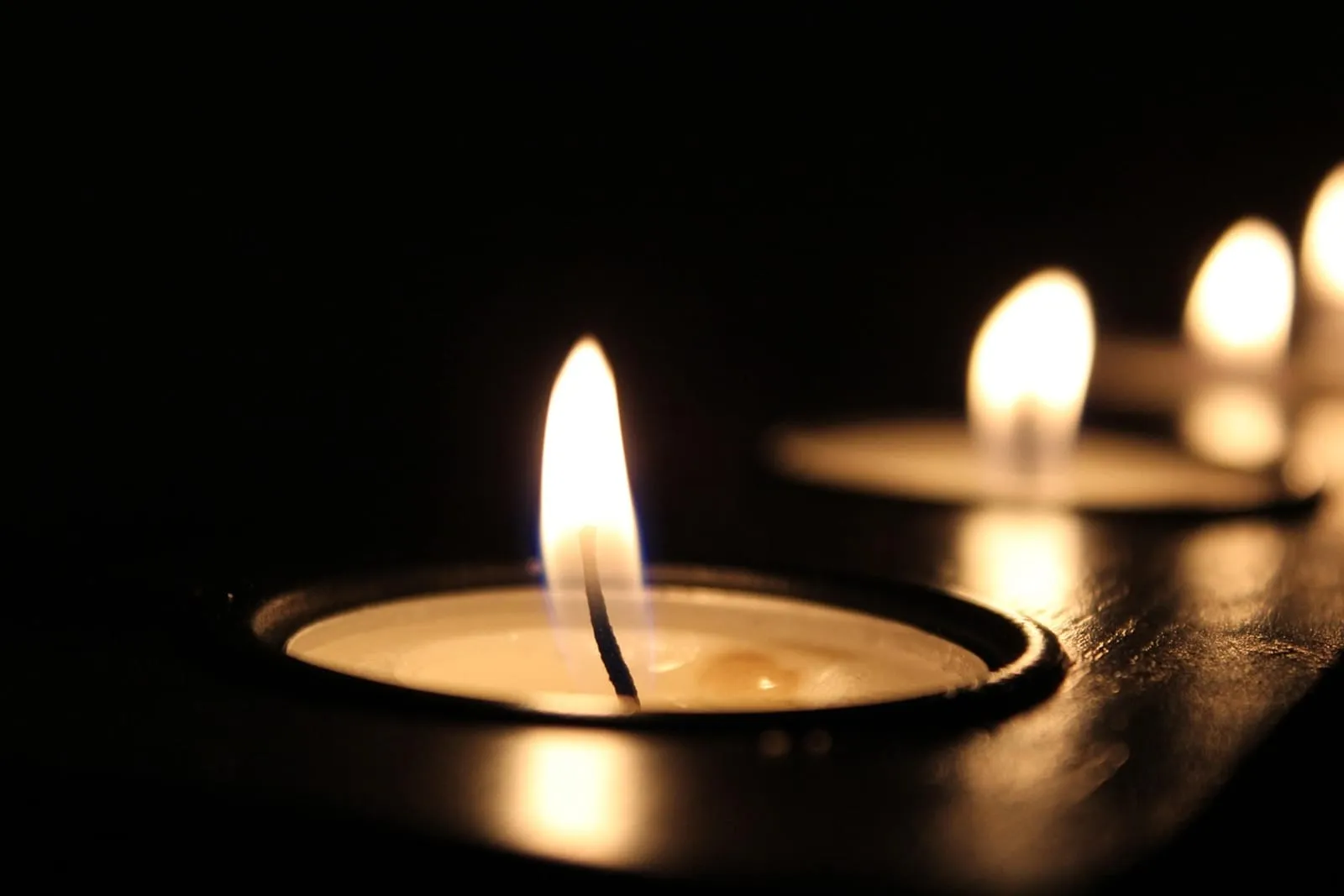
7. Candle and quiet (5 minutes). Light one candle, set a five-minute timer and sit with nothing to do. When thoughts show up, label them gently (“planning”, “worrying”) and let them pass. It is a small, screen-free break, and it works with a lamp too.
Candle and night safety
Never leave a burning candle unattended, keep it away from curtains and paper, and put it out before you leave the room. Fire-safety groups such as the NFPA publish candle safety tips. If you walk after dark, stick to familiar, lit routes.
8. The release note (5 minutes). Write one habit, worry or chore you would like to put down this cycle, then tear the paper into small pieces and recycle it. Skip burning it indoors. Tearing gives the same feeling of closure with no fire risk.
Between the Big Two: Quarter-Moon Ideas
Astrologers give every phase between new and full its own theme. These four ideas fill the gaps.
9. First-quarter check-in (5 minutes). About a week after the new moon, reread your intention page. Mark what is moving, what is stuck and one thing to adjust.
10. Last-quarter digital tidy (15 minutes). About a week after the full moon, delete 20 old screenshots, unsubscribe from three email lists and archive one messy folder. It is a tidy-up you can feel without moving a single box.
11. Waning-gibbous thank-you (5 minutes). Share something you learned this month with a friend, or pass along a recommendation. Then thank someone who helped you along the way.
12. Waning-crescent quiet evening (any length). Plan nothing. Cook something simple, dim the lights and follow a gentle wind-down from our evening routine ideas. This is the “rest” slot before the next new moon.
Did you know?
The Harvest Moon is not a single date but a title: it is the full moon closest to the autumn equinox, so it can fall in September or October. A “Blue Moon” in the modern calendar sense is the second full moon in one month, which happens roughly every two to three years.
Moon Ritual Cheat Sheet by Phase
Not sure what to do on a given night? Match the phase to the table. A weather app or a free moon calendar tells you the phase in seconds.
| Phase | Easy idea | What you need |
|---|---|---|
| New Moon | Three-line intention page or one-surface reset | Notebook, pen, a cloth |
| Waxing Crescent | Take one small first step toward an intention | Phone or calendar |
| First Quarter | Check-in on your intention page | Your page and 5 minutes |
| Waxing Gibbous | Polish a plan or trim a to-do list | A to-do list |
| Full Moon | Wins-and-thanks list, moon walk or candle and quiet | Pen, comfy shoes, one candle and a timer |
| Waning Gibbous | Share what you learned, send a thank-you | Phone |
| Last Quarter | Digital tidy or release note | Phone, scrap paper |
| Waning Crescent | Quiet evening with tea and no plans | A mug and an open evening |
Make It a Habit You Will Actually Keep
The best ritual is the one you repeat. Use this simple template for any idea above:
- Pick a spot. The same chair or table each time tells your brain it is “ritual time”.
- Set a timer for 10 minutes. A time limit keeps it light.
- Ask three questions. What is going well? What needs attention? What is one small step?
- Close the notebook when the timer rings. Done is better than perfect.
Stack it on the kettle
Attach the ritual to something you already do every day. Write your three lines while the kettle boils, or do the check-in during the first cup of tea. Pairing a new habit with an old one means you never have to remember a new time slot.
If mornings are calmer for you, slide the ritual into your morning routine instead of the evening. Either works, and you can switch whenever you like.
What Astrologers Add: Moon Signs and Themes
Astrologers also note which zodiac sign a new or full moon falls in and attach a theme to it. The logic is mechanical. At a new moon the Moon lines up with the Sun, so it sits in the same sign as the Sun. At a full moon it sits opposite the Sun, so it falls in the opposite sign. A new moon during Taurus season (about April 20 to May 20), for example, is described as a time for steady, comfortable habits.
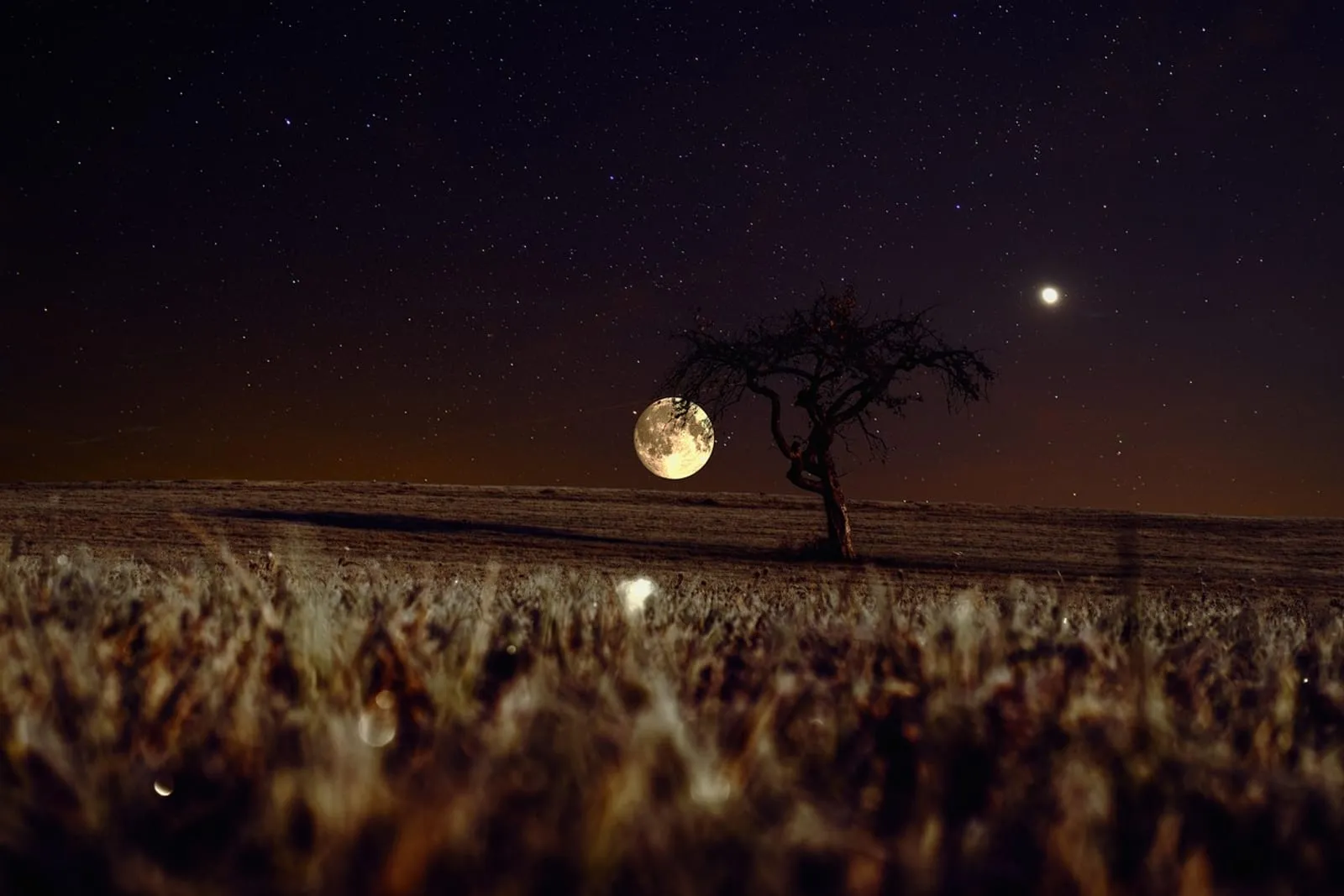
None of this predicts anything, but it can give your journaling a theme if you enjoy that. Check the sign dates in our zodiac signs chart, then see why your Sun sign is only one piece of the picture in Sun, Moon and rising signs explained.
Moon Rituals: Myth vs. Fact
| Myth | Fact |
|---|---|
| You must do the ritual at the exact minute of the phase. | The exact moment lasts an instant, and the Moon looks nearly full for a day or two on either side. Any evening near the date works. |
| You need crystals, candles or special tools. | A pen and paper are enough. Extras are optional decoration. |
| A full moon makes people sleep badly or act strangely. | Studies on these claims have been mixed or found no reliable link, so treat them as folklore. |
| Rituals predict or change what happens next. | There is no scientific evidence for that. At best, they are a regular prompt to pause and reflect. |
If a Ritual Isn’t Working for You
- It is cloudy: The ritual doesn’t need the sky. Check a moon calendar and carry on.
- You forgot the date: Nothing is lost. The Moon looks nearly full for a few nights, so do it tomorrow.
- It feels silly: Shrink it to one sentence in a notes app. Small and real beats big and skipped.
- You only have two minutes: Do just the three-line intention page or the thank-you text.
- Writing stirs up hard feelings: Switch to a walk or a cup of tea. If low mood or worry sticks around, talk to a doctor or a mental health professional. Rituals are not treatment.
Try the free tool
Not sure when the next new or full moon is? Our Moon Phase Today calculator lists the next twelve months in your own time zone.
Your Next Step
Tonight, look up the Moon’s phase and choose one idea from the cheat sheet. Set a 10-minute timer and do it once. Then add some personality to your next round: Self-Care for Each Zodiac Sign: 12 Easy Ideas gives you a simple self-care idea for every sign, and it pairs well with any moon ritual above.
Frequently Asked Questions
What should I do on a new moon?
What should I do on a full moon?
Do I have to do a moon ritual at the exact moment of the new or full moon?
Is there scientific evidence that moon rituals work?
You might also like
More in Astrology →
Moon Phases Explained: What Each Phase Means and How to Use It
Moon phases explained: why the Moon changes shape, how to spot all 8 phases, and how astrology and journaling rituals use each one. Try one tonight!

Zodiac Compatibility Guide: How the Signs Get Along
Zodiac compatibility explained as communication styles, not destiny. See an element chart, a sign-distance table and conversation starters for any pairing.
Venus Sign Explained: What It Says About How You Love
Your Venus sign is said to show how you give and receive affection. Find yours, see all 12 love styles in one table and try a reflection prompt tonight.