Moon Phases Explained: What Each Phase Means and How to Use It
Moon phases explained: why the Moon changes shape, how to spot all 8 phases, and how astrology and journaling rituals use each one. Try one tonight!
In this article
Why does the Moon look like a thin sliver one week and a glowing circle two weeks later? The moon phases are one of the few space events you can watch from your own backyard, and they follow a pattern you can learn in about five minutes. Here you get the astronomy in plain English, all eight phases in order, and what astrologers and moon-ritual fans say each phase is for.
Astrology is a cultural tradition, not a science, and there is no evidence that moon phases change your luck, health, sleep or relationships. So treat the “meaning” parts as prompts for self-reflection, and the astronomy parts as solid fact.
Key takeaways
- The Moon always has one half lit by the Sun. A phase is just how much of that lit half faces Earth.
- The full cycle takes about 29.5 days and has 8 named phases.
- Waxing means growing and waning means shrinking. In the Northern Hemisphere, a waxing Moon is lit on the right.
- In astrology and moon rituals, the new moon is for intentions and the full moon is for taking stock.
- Use the phases as a monthly rhythm for journaling, not as a forecast.
Why the Moon Has Phases
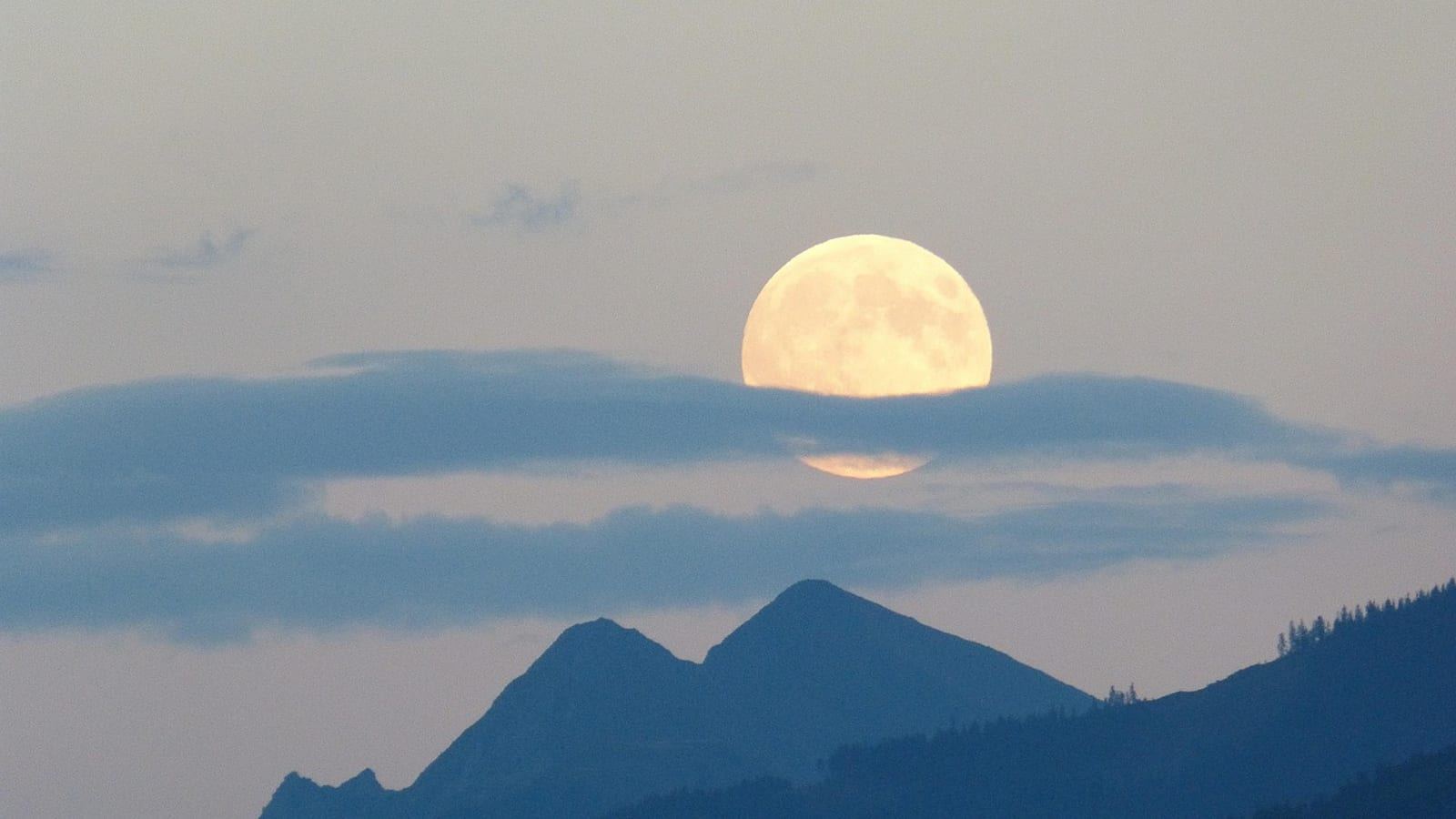
The Moon makes no light of its own. The Sun lights half of it at all times, just as it lights the day side of Earth. As the Moon circles our planet, we see different amounts of that lit half. At the new moon, the lit side faces away from us. At the full moon, the Moon sits on the far side of Earth from the Sun, and we see the whole lit face.
A popular guess is that phases come from Earth’s shadow falling on the Moon. They do not. Earth’s shadow only reaches the Moon during a lunar eclipse, which is a rare event.
Did you know?
The Moon circles Earth in about 27.3 days, but the phases take about 29.5 days to repeat. That is because Earth moves along its orbit around the Sun in the meantime, so the Moon needs two extra days to line up with the Sun again. NASA’s moon phases page explains the cycle.
Two words you will see everywhere: waxing means the lit part is growing, and waning means it is shrinking. In the Northern Hemisphere, a waxing Moon is lit on the right and a waning Moon on the left. In the Southern Hemisphere, those sides are flipped.
The 8 Moon Phases in Order
Each phase lasts roughly three to four days, and the whole loop takes about a month. Use this table as a quick field guide, with an easy idea for the evening in the last column.
| Phase | What you see | Idea for the evening |
|---|---|---|
| New Moon | Almost nothing; the lit side faces away from us | Write down three intentions for the month |
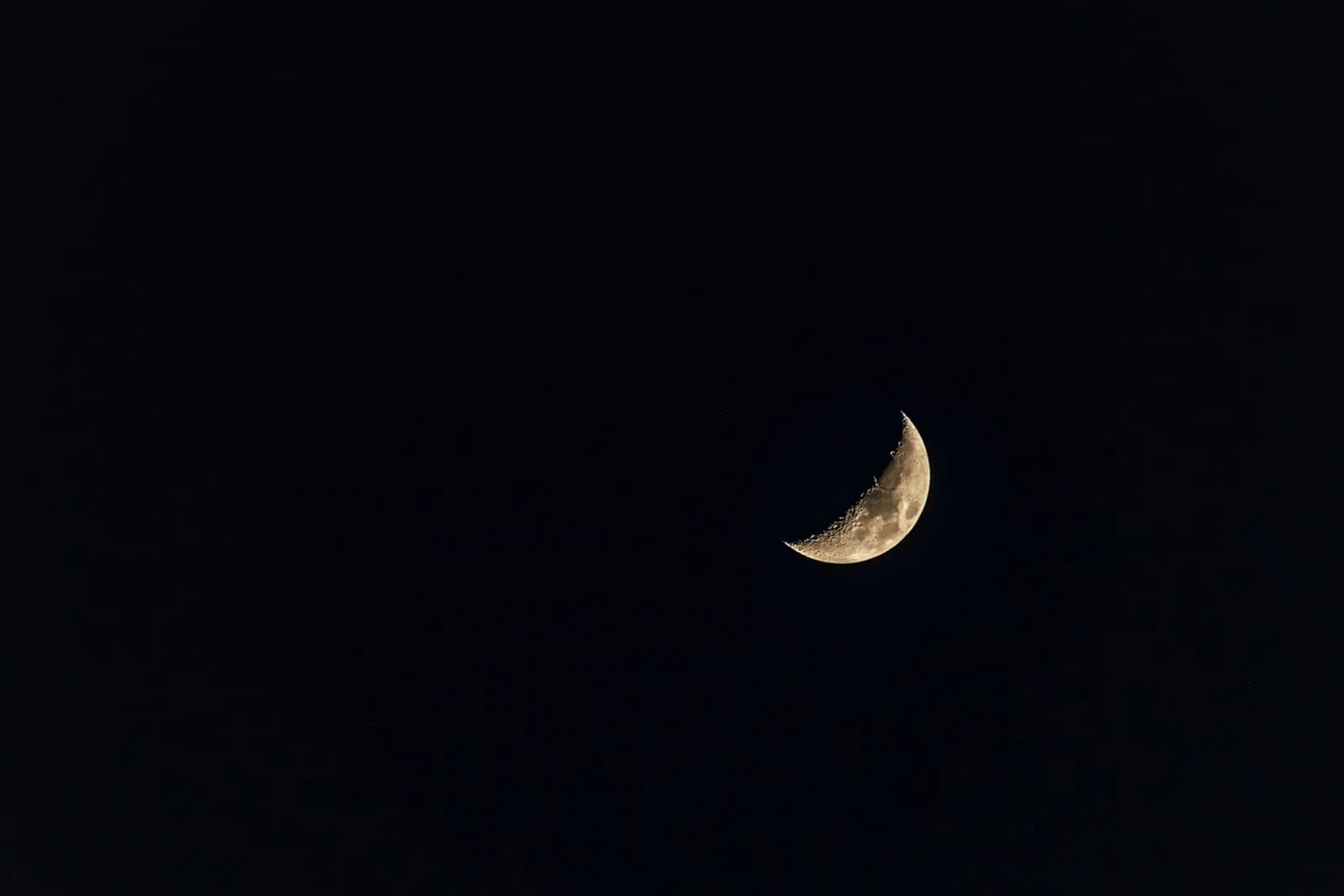
| Waxing Crescent | A thin sliver lit on the right, low in the west after sunset | Take one small first step toward an intention |
| First Quarter | Right half lit, high in the sky in the evening | Check your progress and adjust one thing |
| Waxing Gibbous | More than half lit, bulging toward full | Polish a plan or tidy your to-do list |
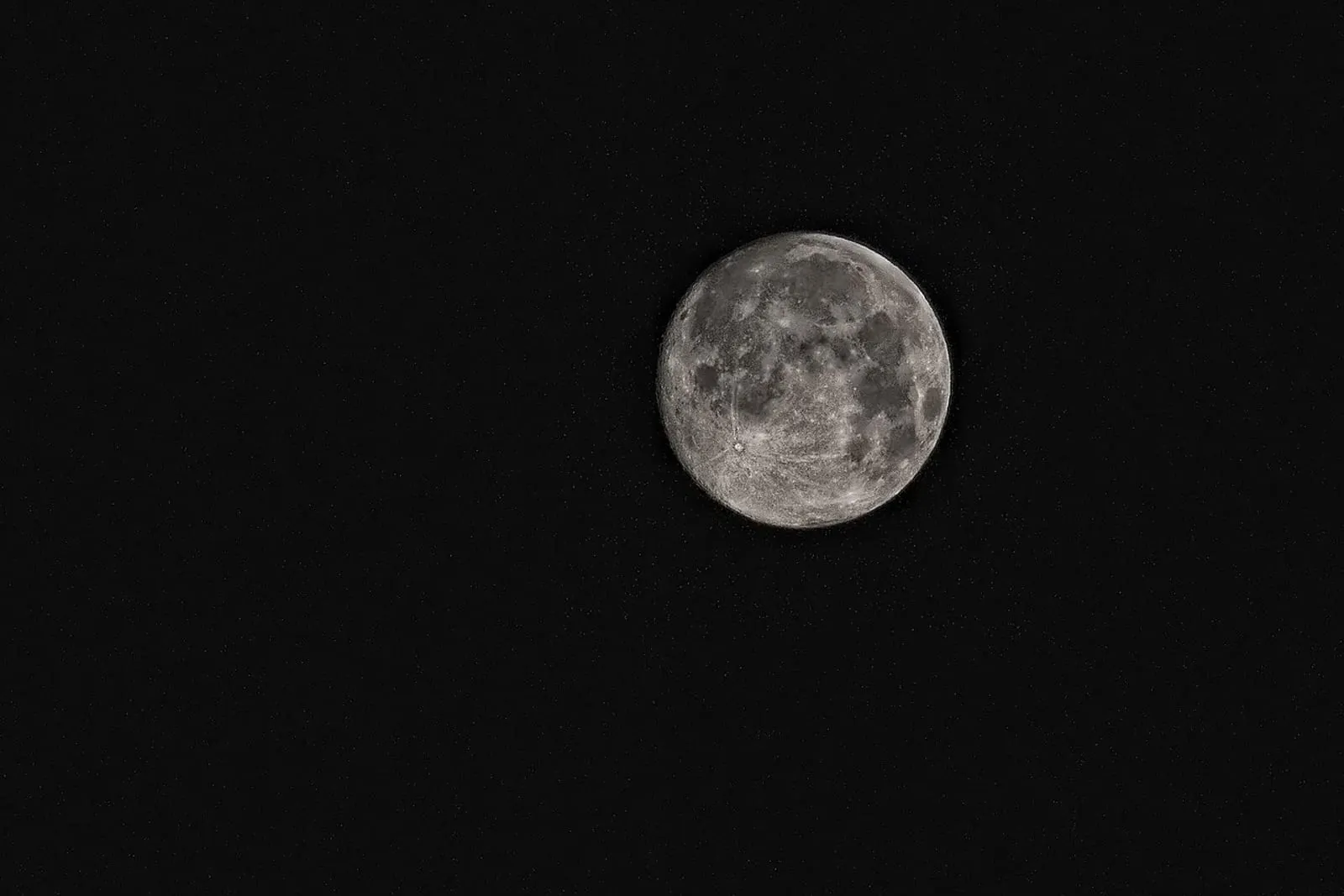
| Full Moon | A bright full circle, rising near sunset | Write a gratitude list and take a walk outside |
| Waning Gibbous | Slightly less than full, rising after dark | Share what you learned with a friend |
| Last Quarter | Left half lit, rising around midnight and still up in the morning | Clear one drawer, shelf or habit |
| Waning Crescent | A thin sliver lit on the left, rising before dawn | Take an easy, quiet evening and rest |
In the Southern Hemisphere, flip “right” and “left” in the table. The two “quarter” phases get their name because the Moon has finished one quarter or three quarters of its orbit, even though half of its face looks lit.
Moon Phases in Astrology: What Each One Means
Here is where astronomy ends and tradition begins. Astrologers and moon-ritual fans treat the cycle like a story that repeats each month: begin, build, peak, release, rest. None of it is science, but that arc makes a handy structure for planning and reflection.
New Moon: Plant the Seed
Astrologers describe the new moon as a blank page. It is the traditional time to set intentions, pick one theme for the month or start a fresh list. Write the intention as a hope, not a promise.
Waxing Crescent: Take the First Step
In moon-ritual language, this is the seedling stage. The idea is to act small, such as sending one email, signing up for one class or going on one short walk.
First Quarter: Meet the Challenge
Astrologers say obstacles tend to appear around the first quarter. It is a natural point to ask whether to push ahead or change the plan.
Waxing Gibbous: Refine and Be Patient
This is the editing phase. Fine-tune, adjust and trust that the work is shaping up before the peak.
Full Moon: Celebrate and Take Stock
The full moon is the peak of the cycle. Tradition says to notice what has grown, say thanks and be honest about what is no longer working. Many people pair it with a gratitude list or a night walk.
Waning Gibbous: Share and Give Thanks
After the peak comes sharing. Teach someone what you learned, thank a person who helped or pass along something useful.
Last Quarter: Let Go
This is the “release” phase. Astrologers link it with forgiving, clearing and simplifying. A closet clear-out is a very literal last-quarter project, and our guide to decluttering a small closet gives you a weekend plan.
Waning Crescent: Rest and Reset
The final sliver is for slowing down. Keep the schedule light, rest and let the last few days of the cycle be quiet before the new moon begins again.
How to Use Moon Phases: A 10-Minute Monthly Ritual
You do not need candles or crystals, though some people like them. A simple notebook and four short check-ins across the month are enough.
- New moon: write three intentions, one sentence each. Circle the one that matters most.
- First quarter: spend five minutes on a check-in. What is moving? What is stuck? What is one adjustment?
- Full moon: list three wins and three things you are grateful for, then name one thing that is not working.
- Last quarter: pick one thing to let go of, and do one small act of clearing, like emptying a drawer.
Set four phone reminders
Create a repeating reminder for each of those four check-ins and label it with the phase, such as “New moon: intentions”. A free moon calendar or a weather app shows the dates, so the ritual stays on autopilot.
Fold the check-in into a calm evening routine or pair it with a morning routine you already follow, so it takes almost no extra effort.
Reflection is not medical care
Moon rituals are for journaling and calm, not for treating sleep problems or health concerns. If you are struggling with sleep, mood or anything physical, talk to a doctor.
How to Find and Watch the Moon Phases
Looking up tonight’s phase takes a minute, and watching it in the sky is more fun. Check a moon calendar or your phone’s weather app, then use this timing guide.
| Phase | Rises around | Best time to look |
|---|---|---|
| New Moon | Sunrise | Not visible; it is the best night for stars |
| First Quarter | Around noon | Evening, high in the sky |
| Full Moon | Sunset | All night, low in the east at dusk |
| Last Quarter | Around midnight | Late night and the morning |
Times shift a little with the season and your location, so treat them as rough guides.
Look along the shadow line
Next time the Moon is at first or last quarter, scan it with binoculars. The best detail is along the line between light and dark, where long shadows make craters and mountains pop. The full moon is actually the flattest-looking phase.
Another quick trick: the Moon looks huge near the horizon, but it is the same size to your eye. Hold a pea at arm’s length against the Moon low in the sky, and again when it is high overhead. It covers the Moon both times, which shows the “big” look is a trick of perception.
Did you know?
The term “supermoon” was coined in 1979 by an astrologer, Richard Nolle, not by astronomers. It describes a full or new moon near its closest point to Earth, when the Moon can look a bit larger and brighter than usual.
Moon Phases: Myth vs. Fact
| Myth | Fact |
|---|---|
| Phases are caused by Earth’s shadow. | The shadow only reaches the Moon during an eclipse. Phases are the angle we see the sunlit half from. |
| There is a permanent dark side of the Moon. | The far side gets just as much sunlight as the near side. We never see it from Earth because the Moon spins once per orbit. |
| The Moon is only out at night. | It is often visible in the daytime, especially around the first quarter in the afternoon. |
| The full moon changes sleep, behavior or births. | Studies on these claims have been mixed or found no reliable link. Treat them as folklore, not established fact. |
| The Moon pulls on the water in our bodies like tides. | The Moon does cause ocean tides, with the biggest ones near new and full moon. Its pull on a single person is far too small to notice. |
If You Can’t See the Moon
- It is cloudy: The Moon is still there. A phone weather app or moon calendar tells you the phase.
- It is a new moon and the sky looks empty: That is expected. The unlit side faces us, so skip the Moon and enjoy the stars.
- You cannot tell waxing from waning: Check the time. An evening Moon is waxing, and a Moon in the pre-dawn sky is waning.
- The Moon looks upside down: Probably you are in the Southern Hemisphere, where the lit side is flipped.
- The ritual feels like homework: Cut it down to a three-sentence note. There is no wrong way to do it.
Try the free tool
Want today’s exact phase, illumination and the next full moon in your time zone? Use our Moon Phase Today calculator.
Your Next Step
Tonight, check which phase the Moon is in and find it in the table above. Then try the one-line evening idea, even if it takes five minutes. If you enjoy where astronomy and astrology meet, read our guide to Mercury retrograde, which separates what the planets actually do from what astrologers say about it.
Frequently Asked Questions
How long is the moon phases cycle?
What are the 8 moon phases in order?
What is the difference between waxing and waning?
What is the best moon phase for setting intentions?
You might also like
More in Astrology →
New Moon and Full Moon Rituals: 12 Simple Ideas
New moon and full moon rituals made simple: 12 easy ideas for journaling, tidying, tea and walks, plus a phase-by-phase table. Pick one to try tonight!

Zodiac Compatibility Guide: How the Signs Get Along
Zodiac compatibility explained as communication styles, not destiny. See an element chart, a sign-distance table and conversation starters for any pairing.
Venus Sign Explained: What It Says About How You Love
Your Venus sign is said to show how you give and receive affection. Find yours, see all 12 love styles in one table and try a reflection prompt tonight.