How to Make Home Smell Good Naturally: 15 Easy Ideas
Want to make home smell good without sprays? Try 15 natural ideas: fix the source, use baking soda, open windows and simmer citrus. Start today!
In this article
- Why Your Home Smells Off (and Why You Can’t Tell)
- Ideas 1-5: Remove the Source Before You Make Home Smell Good
- Ideas 6-8: Fresh Air, Baking Soda and Clean Filters
- Ideas 9-11: Simmer Pots and No-Flame Kitchen Scents
- Ideas 12-13: Plants, Herbs and Fresh Flowers
- Ideas 14-15: Candles and Diffusers, Used Safely
- A Simple Schedule to Keep Your Home Smelling Fresh
- If It Still Smells Bad
- Your Next Step
A home that smells good feels cleaner, calmer and more welcoming the second you walk in. Sprays and plug-ins only cover up what is already there, though. These 15 natural ideas show you how to make home smell good for real: find the source, neutralize it, then add a light scent you actually enjoy.
Key takeaways
- Remove the source first. Trash, drains, the fridge and fabrics cause most bad smells, and scent only masks them.
- Baking soda and fresh air do the heavy lifting. Vinegar helps in drains, but never mix it with bleach.
- A simmer pot of citrus peel and spices can scent a whole room for pennies, as long as you stay home and watch it.
- Candles, diffusers and essential oils are optional extras. Keep flames supervised and oils away from pets.
- Your nose adapts to your own home, so step outside and walk back in to smell what guests smell.
Why Your Home Smells Off (and Why You Can’t Tell)
Odors are tiny airborne molecules released by food, moisture, bacteria and dust. Soft, porous things such as couches, rugs, curtains and mattresses soak them up and release them slowly. That is why a smell can hang around for days after the original spill is gone.
The tricky part is that you stop noticing it. Your nose adapts to smells that never change, so the scent of your own home fades into the background while a guest catches it at the front door.
Did you know?
Scent signals travel from your nose to the olfactory bulb, which connects directly to the amygdala and hippocampus, two brain areas involved in emotion and memory. That link is one reason a single whiff can bring back a specific moment.
So a pleasant smell does more than hide a problem. It changes how a room feels. Before you add one, check what visitors would actually notice.
Reset your nose
Step outside for a few minutes, then walk back in and take one slow sniff right inside the front door. That first impression is what guests get, and it tells you which room to check first.
Ideas 1-5: Remove the Source Before You Make Home Smell Good
Candles and sprays lose to a full trash can every time. Spend about 20 minutes on these five spots first, and most “mystery smells” disappear.
| Where it smells | Likely cause | Quick fix |
|---|---|---|
| Kitchen | Trash bin, drain, damp sponge | Wash the bin, flush the drain, replace the sponge |
| Fridge | Forgotten leftovers, spills | Toss old food, wipe shelves with baking soda water |
| Living room | Couch, rugs, curtains | Baking soda, then vacuum; wash removable covers |
| Laundry area | Damp towels, washer door seal | Dry towels fully, wipe the seal, leave the door ajar |
| Bedroom | Pillows, sheets, mattress | Wash bedding, air the mattress, baking soda |
-
Empty the trash and wash the bin. Scrub it with hot, soapy water, dry it completely and sprinkle a tablespoon or two of baking soda in the bottom before the new bag goes in.
-
Refresh the kitchen drain. Pour about half a cup of baking soda down the drain, follow with half a cup of white vinegar, wait 10 minutes, then flush with hot tap water. Skip this if you recently used a chemical drain cleaner.
-
Reset the fridge. Toss anything past its date, then wipe the shelves with a mix of 1 tablespoon baking soda per quart of warm water. Leave a fresh open box at the back.
-
Wash the soft stuff. Throw pillows, blankets, bath mats and curtains hold smells. Follow the care labels, and wash sheets at least every week or two. If a stain is behind the smell, the stain removal chart shows what to use. A packed closet traps stale air too, so the small closet declutter plan helps here.
-
Dry out damp spots. Moisture turns “a bit stale” into “musty.” Hang towels so they dry fully, wipe the rubber seal on a front-loading washer, and leave its door open between loads.
Bathroom smells usually come from damp mats, drains and grout, so work through them with this 20-minute bathroom cleaning routine.
Never mix vinegar with bleach
Bleach plus vinegar releases chlorine gas, and bleach plus ammonia makes toxic chloramine fumes. Use one product at a time, rinse well between products and open a window. Keep vinegar off natural stone such as marble and granite, too.
Ideas 6-8: Fresh Air, Baking Soda and Clean Filters
-
Cross-ventilate for 10 minutes. Open windows on opposite sides of the home so air actually moves through. Even in winter, a short burst swaps stale air for fresh without cooling the house for long.
-
Sprinkle baking soda on soft surfaces. Dust a thin layer over carpets, rugs, couch cushions or a mattress. Wait at least 15 to 30 minutes (overnight for strong odors), then vacuum slowly. Baking soda is a mild alkali, so it helps neutralize acidic smells such as sour milk. Test a hidden spot on delicate upholstery first, and keep pets out of the room until you have vacuumed.
-
Clean the filters. A clogged furnace or AC filter and a dirty vacuum both recirculate odors. The U.S. Department of Energy suggests checking an HVAC filter monthly and replacing it at least every three months. Empty the vacuum’s bin and rinse or replace its filter as the manual says.
Indoor air is not always cleaner than outdoor air
The EPA notes that indoor levels of many pollutants are often 2 to 5 times higher than outdoor levels. Opening a window is one of the simplest ways to dilute them. Read more in the EPA’s indoor air quality guide.
Ideas 9-11: Simmer Pots and No-Flame Kitchen Scents
A simmer pot is the classic natural air freshener: fruit and spices gently heated in water. It fills the house with a warm scent, and you need little more than a few peels.

- Make a simmer pot. Fill a small saucepan about two-thirds with water, add your ingredients and bring it to a boil. Then turn the heat to its lowest setting, leave the lid off and top up the water when it drops by about half. Turn it off whenever you leave the room.
| Scent mood | Add to the pot |
|---|---|
| Cozy fall | Orange peel, 1 cinnamon stick, 4 to 5 whole cloves, apple slices |
| Fresh and light | Lemon slices, a rosemary sprig, a splash of vanilla extract |
| Holiday | Fresh cranberries, orange slices, star anise, cinnamon |
Stay in the house while it simmers. Never leave the pot unattended, never let it boil dry, and turn the handle inward and away from kids and pets. A slow cooker on low also works, but it still needs a watch on the water level.
Why citrus peel smells so strong
The fragrance comes from oil stored in tiny pockets in the zest, and its main compound is limonene. That is why bending or scoring a peel releases a burst of scent before it ever touches water.
-
Keep a bowl of citrus out. A bowl of lemons or oranges on the counter smells fresh all day. For a simple old-fashioned pomander, press whole cloves into the skin of an orange.
-
Fill a no-flame jar. Mix 2 tablespoons of baking soda with a few strips of dried orange peel, a cinnamon stick and a few cloves in a small jar. Cover the top with a piece of cloth held on by a rubber band, and set it in a closet, bathroom or entryway out of reach of pets and kids.
Freeze your scraps
Keep a freezer bag for orange and lemon peels and used cinnamon sticks. Next time, drop them into the pot straight from the freezer. You get a free scent boost and nothing goes to waste.
Ideas 12-13: Plants, Herbs and Fresh Flowers
Plants add scent and life to a room, but they are not air purifiers. Think of them as decoration with a bonus.
-
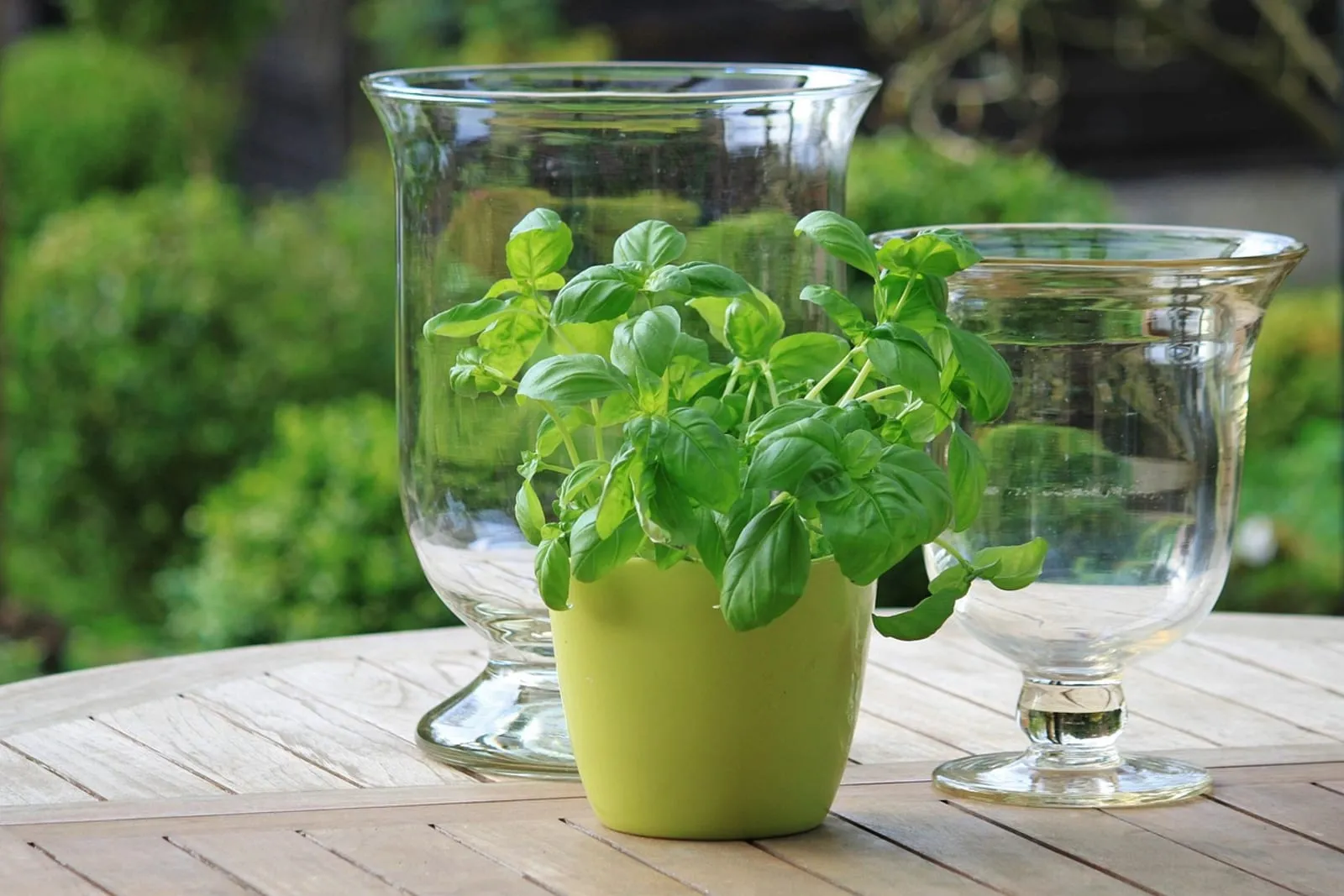
Grow a scented herb. Basil and rosemary on a sunny windowsill smell great whenever you brush the leaves. The ASPCA lists both as non-toxic to cats and dogs, but check any plant on its list before you buy. Lilies, for example, are dangerous to cats.
-
Add flowers or greenery. A small bunch of flowers perfumes a room. Change the vase water every day or two, because stagnant water smells bad. Hanging eucalyptus from the shower head releases scent in the steam, but skip it if pets can reach it.
| Myth | Fact |
|---|---|
| Houseplants purify the air in your home | A 2019 review of plant studies concluded potted plants do little for indoor air quality at normal home densities. An open window works faster. |
| A candle or spray “cleans” the air | They add fragrance. They do not remove the thing that smells. |
| Vinegar fixes every smell | It helps in drains and on hard surfaces, but it is acidic: keep it off natural stone and never mix it with bleach. |
| “Natural” always means pet-safe | Essential oils come from plants and can still poison cats and dogs. |
Ideas 14-15: Candles and Diffusers, Used Safely
Candles and diffusers are the cozy finishing touch, not the fix. Use them after the source is gone.

-
Burn candles with care. Trim the wick to about 1/4 inch before each burn and set the candle on a heat-resistant surface. The National Fire Protection Association advises keeping it at least 12 inches from anything that can burn. Blow it out whenever you leave the room or go to bed.
-
Use a diffuser sparingly. A few drops of essential oil in a diffuser, in a room with decent airflow, is plenty. Stronger is not better, and oils can irritate eyes, skin and lungs.
Pets and essential oils
Some essential oils can poison cats and dogs, whether inhaled, licked off fur or swallowed. If you share your home with pets, lean on cleaning, fresh air, baking soda and food-based simmer pots kept out of reach, and ask your vet before using oils or a diffuser. In an emergency, call your vet or the ASPCA Animal Poison Control Center.
Pair a fresh-smelling room with a calm routine, and it feels like a mini retreat. Our at-home spa day ideas show how to build one.
A Simple Schedule to Keep Your Home Smelling Fresh
| When | Do this |
|---|---|
| Daily (5 minutes) | Take out food trash, wipe the counters and sink, open windows for 10 minutes |
| Weekly | Wash bedding and towels, vacuum, wash the trash bin, flush the drain, toss old leftovers |
| Monthly | Check the HVAC filter, wipe the washer seal, wash pillows and curtains, refresh the fridge baking soda |
The daily items fit neatly into a ten-minute reset before bed. Our evening routine ideas show how to build that habit.
If It Still Smells Bad
- Musty or damp smell: Find the moisture source, such as a leak, wet laundry or poor airflow, and fix it. Run a fan or dehumidifier. For visible mold covering more than about 10 square feet, the EPA recommends getting professional help.
- Sewer smell from a drain: The water seal in a rarely used drain may have dried out. Run water for 30 seconds. If the smell stays, call a plumber.
- Rotten-egg smell near gas appliances: Gas utilities add a sulfur scent to natural gas. Leave the house right away, then call your gas company or 911 from outside. Do not flip switches.
- Smell returns after cleaning: Look for a hidden source: a pet accident (use an enzyme-based pet cleaner), the dishwasher filter, under the sink or behind the fridge.
- Cooking odors linger: Run the range hood while you cook, and wash the curtains nearest the kitchen.
Your Next Step
Tonight, take out the trash, wash the bin and open two windows for ten minutes. Tomorrow morning, put a pot of orange peel and cinnamon on low while you are home. That is the whole starter plan, and it costs almost nothing.
Once the source is gone, a little scent goes a long way, and the rest of the list is optional. If a spill or stain is behind a smell, the stain removal chart tells you what to do. Then open the windows and let the fresh air in.
Frequently Asked Questions
What is the fastest way to make my house smell good?
Does baking soda really absorb odors?
Are essential oils safe around pets?
How long can I leave a simmer pot on?
You might also like
More in Home & Life →
How to Clean Bathroom Fast: A 20-Minute Routine
Clean bathroom fast with a 20-minute top-to-bottom routine: what to use on each surface, how to beat soap scum and grout mold, and what never to mix.

How to Declutter Your Home in 7 Days: A Room-by-Room Plan
Declutter your home in 7 days with a room-by-room plan: simple keep, give away and let go rules, 30-minute tasks and where to donate. Start with Day 1.

15 Morning Routine Ideas for a Calmer, More Productive Day
Try these 15 morning routine ideas for a calmer, more productive day: simple habits that take 2 to 15 minutes, plus three sample routines. Find your fit!