How to Stop Hair Breakage: 9 Fixes That Actually Work
Learn how to stop hair breakage with 9 simple fixes for brushing, heat, towels, sleep and conditioning. Spot the causes, then keep your length. Start today!
In this article
You are doing everything right, yet your hair will not get longer, and you keep finding short, snapped pieces on your sweater and in your brush. That is breakage, not slow growth, and it is usually caused by everyday habits you can change. Here is how to spot it and how to stop hair breakage with nine practical fixes.
Key takeaways
- Breakage is hair snapping along the strand, while shedding is a whole hair falling out at the root.
- The biggest culprits are rough handling when wet, heat, harsh chemical treatments and friction.
- Conditioner, a wide-tooth comb and a gentle towel are the cheapest upgrades.
- You cannot glue broken hair back together, so trim off damage and protect the rest.
- Scalp changes, patchy thinning or sudden loss are a reason to see a doctor.
Is It Breakage or Shedding?
Before you change your routine, make sure you know what you are dealing with. A quick look at the fallen hair tells you most of what you need.
| What you see | Likely cause |
|---|---|
| Long strand with a tiny white bulb at one end | Normal shedding |
| Short pieces, uneven lengths, no bulb | Breakage |
| Hair that tapers to a thin, wispy tip | Normal growth with split ends |
| Strands that stretch like gum and then snap | Overly weak or over-processed hair |
| Hair that seems to stop at the same length | Breakage keeps pace with growth |
When it is not breakage
Heavy shedding, bald patches, a widening part or a sore scalp are different issues. Please see a doctor or dermatologist rather than treating them at home.
Why Hair Breaks
Hair is a bundle of keratin protected by overlapping cuticle scales. When those scales get roughed up, stripped or lifted, the strand loses moisture and flexibility and eventually snaps. The American Academy of Dermatology lists many everyday habits that can damage hair, including rough brushing, tight styles and too much heat.
Did you know?
Hair is a bit like a rope. A single strand can stretch when wet, but only so far, and repeated stretching and snapping can weaken it over time. Your ends, which can be a few years old, have had the most wear.
9 Fixes to Stop Hair Breakage
1. Detangle the Right Way
Start at the ends and work toward the roots, using a wide-tooth comb or a brush made for detangling. Add conditioner first, because slip cuts down on snapping. Hold the section above the knot so you are not pulling on the scalp.
2. Skip the Rough Towel Rub
Rubbing wet hair in a regular terry towel roughens the cuticle. Instead, squeeze the water out with a microfiber towel or a cotton T-shirt, and let the hair air-dry partly before you style it.
Quick hack: The T-shirt wrap
Gently squeeze your wet hair in an old cotton T-shirt, then wrap it like a towel turban for 10 minutes. The smooth knit absorbs water with far less friction than terry cloth, so you get less frizz and fewer broken ends.
3. Turn Down the Heat
Keep blow dryers, flat irons and curling wands on the lowest setting that works, and use a heat protectant. Let hair air-dry a few times a week. If you love curls without a tool, try our heatless curls overnight methods.
4. Condition Every Time
Conditioner coats the cuticle and makes hair slippery, which means less friction and less snapping. Focus it on the lengths and ends, and leave it on for a couple of minutes while you do something else. Dry or curly hair may benefit from a weekly mask; our deep conditioning guide shows how.
5. Be Careful With Chemical Treatments
Bleach, relaxers and permanent color work by opening the cuticle, so spacing out treatments gives hair time to recover. If you color at home, follow the timing on the box, and ask a stylist for help with big changes.
6. Protect Your Hair at Night
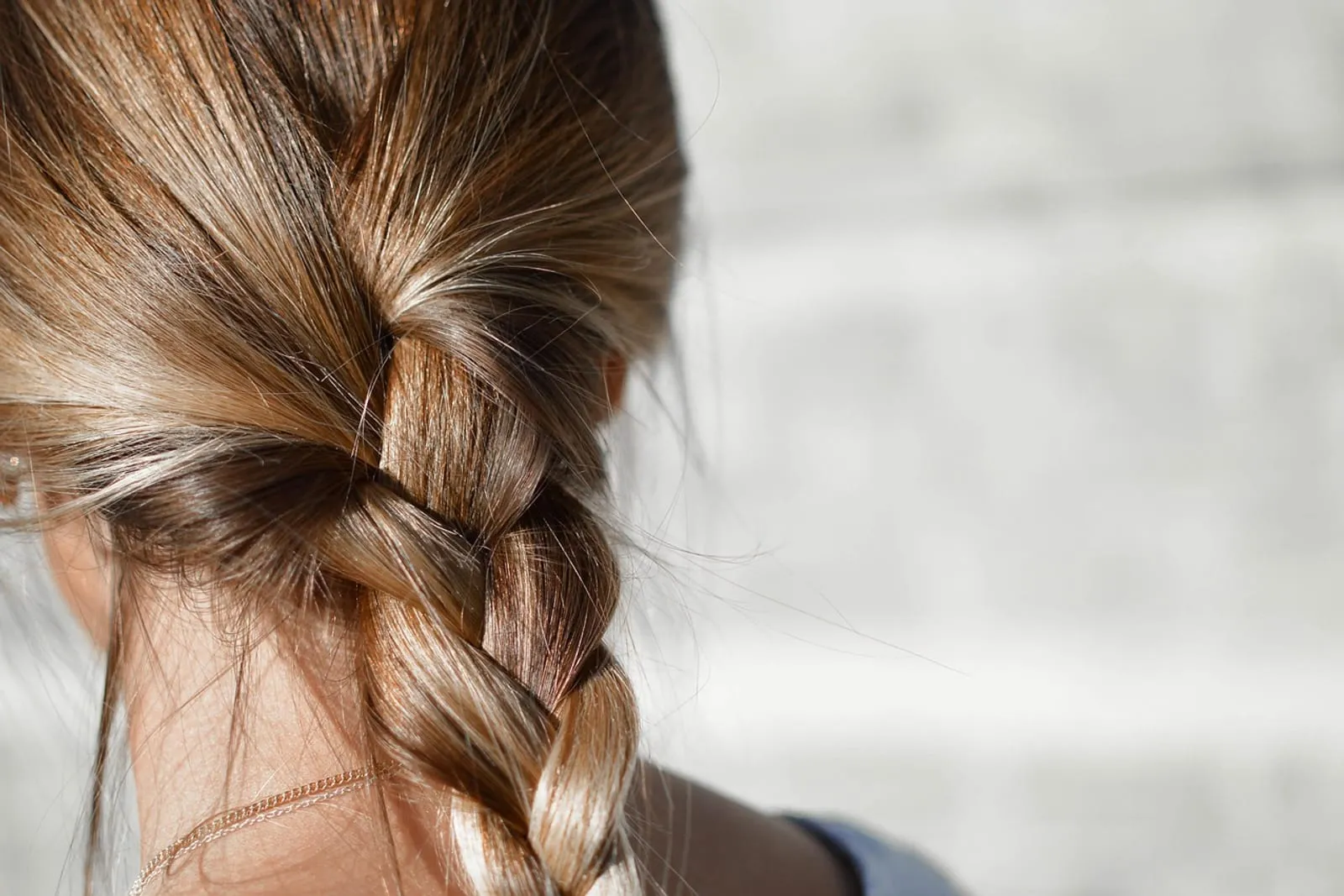
Friction on cotton sheets can roughen hair as you toss and turn. A satin pillowcase, a satin bonnet, or a loose braid or pineapple bun can help. We cover this in detail in how to sleep with curly hair.
Watch your hair ties
Thin rubber bands and tight ponytails in the same spot every day put constant stress on the same strands. Use snag-free elastics or scrunchies, and move the ponytail up or down a bit.
7. Choose Gentle Styles
Tight braids, buns and extensions pull on the hairline and the roots. Keep tension light, and give your hair a break between tight styles. If your scalp feels sore, loosen the style.
8. Trim Off the Damage
Split ends cannot be repaired, and the split can travel up the strand. A small trim removes them before they cause bigger breaks. See how often to trim your hair for a schedule that works for your length and type.
9. Eat for Healthy Hair
Hair is mostly protein, and it needs a balanced diet with enough protein, iron and other nutrients to grow well. If you suspect a deficiency, ask your doctor for a blood test rather than guessing with supplements.
How to Brush Hair Without Breaking It
Brushing is one of the biggest breakage triggers, but you do not have to stop. You just need the right tool and technique.
- Pick the right tool. Use a wide-tooth comb for wet hair and a flexible detangling brush or boar-bristle brush for dry hair.
- Hold the root. Grip the hair above the area you are working on so the tug does not reach your scalp.
- Work from the bottom. Detangle the last two inches first, then move up an inch at a time.
- Go slowly. If you hit a knot, work it loose with your fingers rather than yanking through it.
Quick hack: Detangle in the shower
Apply conditioner, then comb through with a wide-tooth comb while the conditioner is still in. The extra slip helps knots slide apart instead of snapping, which makes it one of the easiest ways to cut breakage on wash day.
Everyday Habits That Quietly Cause Breakage
Some of the biggest culprits do not feel like a big deal. Watch for these:
- Sleeping on wet hair can leave it tangled and stretched, so dry it mostly before bed.
- Pulling a ponytail tight at the same height every day stresses the same strands.
- Rubbing a scarf or bag strap over long hair causes friction at the shoulders.
- Using too many products can leave buildup that makes strands stiff and brittle.
- Skipping heat protectant leaves the cuticle exposed to high temperatures.
Your Weekly Anti-Breakage Routine
Here is a simple pattern you can screenshot and follow.
| Day | What to do |
|---|---|
| Wash day | Shampoo the scalp, condition the lengths, detangle gently with a wide-tooth comb |
| Wash day | Squeeze with a microfiber towel or T-shirt, apply leave-in |
| Midweek | Mist and smooth, or re-braid loosely |
| Weekly | Deep conditioner or hair mask for 10 to 20 minutes |
| Nightly | Satin pillowcase, bonnet or loose braid |

Troubleshooting: If You Still See Breakage
Your Hair Breaks Right at the Root
Breakage close to the scalp can come from tight styles, harsh chemical treatments or a medical cause. Loosen your styles and see a dermatologist if it continues.
Your Ends Look Frayed or Stringy
These are signs of dry, damaged ends. Get a trim and reduce heat. Our frizzy hair fixes can help you smooth the lengths in the meantime.
Your Hair Feels Gummy When Wet
Overly stretchy, mushy hair after washing can mean it is overprocessed. Skip chemical treatments for a while, get a trim and talk to a stylist about a gentle plan.
Your Hair Feels Brittle Even After Conditioning
Brittle hair may be low on moisture or may have buildup. Try a clarifying wash once in a while, followed by a deep conditioner. If you are not sure how your hair takes in moisture, our guide to low vs high porosity hair can help.
Your Next Step
Choose the two fixes that match your biggest habit, such as the towel and the heat, and keep them for four weeks. Then book a small trim to clear the old damage. To keep the length you grow, read hair growth myths, debunked next.
Frequently Asked Questions
How can I tell hair breakage from hair shedding?
Can broken hair repair itself?
Does wet hair break more easily?
How long does it take to see less breakage?
You might also like
More in Hair Care →
Fine Hair Volume: 10 Tricks That Really Work
Get fine hair volume that lasts with 10 simple tricks, from wash routine and cut to blow-dry tricks and product swaps. See which ones fit you. Try one today!

How to Detangle Curly Hair Without Breakage
Learn how to detangle curly hair without breakage with a step-by-step method, the right tools and fixes for stubborn knots. Save this guide for wash day!

12 Hair Growth Myths, Debunked (What Actually Works)
Does trimming make hair grow faster? Do 100 brush strokes help? Debunk 12 common hair growth myths and learn what really helps. Find out the facts!