How to Sleep With Curly Hair: 7 Ways to Wake Up Frizz-Free
Learn how to sleep with curly hair so you wake up with defined, frizz-free curls: the pineapple, loose braids, satin vs bonnets and more. Try one tonight!
In this article
- How to Sleep With Curly Hair: What Goes Wrong Overnight
- 1. The Pineapple
- 2. Loose Braids or Twists
- 3–5. Satin Pillowcase, Bonnet or Scarf
- 6. The Sleep Cap and Pineapple Combo
- 7. Overnight Treatments (and What to Skip)
- Your Morning Routine After Each Method
- Notes by Hair Length and Curl Type
- The Bottom Line
Curls look their best for about twelve hours after wash day and then quietly fall apart overnight: flat on one side, fuzzy on the other, knotted at the nape. Learning how to sleep with curly hair is the single change that can make day-two and day-three curls look almost as good as day one. Below are seven methods, plus the morning fix that goes with each.
Key takeaways
- Cotton pillowcases absorb moisture and create friction, which flattens curls and roughs up the cuticle.
- A loose, high “pineapple” with a satin scrunchie protects most curl patterns in under a minute.
- Satin or silk, as a pillowcase, bonnet or scarf, cuts friction; a bonnet over a pineapple works best for long hair.
- Loose braids or twists suit long, coily or tangle-prone hair and leave soft waves by morning.
- Keep overnight treatments light: a leave-in or a few drops of oil on the ends, never a thick mask under a cap.
How to Sleep With Curly Hair: What Goes Wrong Overnight
Three things happen to curls in bed. The first is friction: every time you turn over, strands drag across the pillowcase, which lifts the cuticle (the overlapping outer layer of each hair) and pulls curl clumps apart into single frizzy strands.
The second is absorption. Cotton wicks water and leave-in conditioner out of your hair over eight hours, so you wake up drier than you went to sleep. The third is pressure, which flattens whatever you’re lying on, usually the back and one side.
Did you know?
Hair is more fragile when it is wet, according to the American Academy of Dermatology, which is why friction on a damp head against a pillow does extra damage.
Every method below solves at least one of those problems, and none of them is complicated. Gentle handling is the thread running through most dermatologist advice on hair, and the American Academy of Dermatology’s hair care guidance is a good overview if you want the daytime side of the picture too.
1. The Pineapple
The pineapple is a very loose, very high ponytail that sits on the crown so your curls spill forward and you sleep on the back of your head rather than on your hair. It preserves volume better than any other method and takes about thirty seconds, so it’s the easiest one to make a nightly habit.
How to Do It
- Tip your head forward and gather all of your hair at the very top of your head, without smoothing or brushing anything.
- Loop a satin scrunchie around it once. Only once. If it would survive a workout, it’s too tight; you want the hair held, not pulled.
- Lift your head and let the curls fall forward. Shorter pieces at the nape can be left loose.
- Lie down on a satin or silk pillowcase so the curls that still touch the pillow slide instead of dragging.
Which Scrunchie to Use
A satin or silk scrunchie with a soft, roomy elastic is ideal, and a spiral (coil) hair tie is a good alternative because it grips without leaving a dent. Skip standard elastics, thin ties and anything with a metal clasp; they leave a crease that is hard to refresh out in the morning.
No satin scrunchie? Use a silk scarf
Loop a thin satin scarf or ribbon around the pineapple and tie it in a loose bow. It holds the hair like a scrunchie but spreads the pressure over a wider band, so it won’t dent your curls.
Short, Medium and Long Hair
- Chin-length or shorter: a full pineapple won’t stay put. Try a “multi-pineapple” with two or three small satin scrunchies, or go straight to a bonnet.
- Shoulder-length: the classic pineapple works as written.
- Long or very dense hair: the weight can tug at the hairline. Support it with a bonnet or a loosely tied satin scarf (see method 6).
2. Loose Braids or Twists
Braids and twists trade a little volume for a lot of protection. They stop lengths from tangling and rubbing, and they’re a smart switch once your hair grows past your shoulders.
-
Start with dry or barely damp hair. A soaking-wet braid can still be wet at 7 a.m. If you’ve just washed, plop your hair in a T-shirt for twenty minutes and let it finish drying before you braid.
-
Divide hair into two to four sections. Fewer, chunkier braids keep more of your natural curl; more braids give a uniform wave.
-
Braid loosely from about ear level down. Braiding from the scalp creates tension at the hairline and flattens the crown.
-
Secure the ends with a small satin scrunchie or coil tie and smooth a single drop of light oil over them.
-
Sleep on satin, or tuck the braids into a bonnet.
Two-strand twists do the same job and are often easier on coily hair, where the twist holds itself and unravels gently in the morning. Not sure where your hair sits? Check the curl types chart first.
Braid for waves, twist for curl
One loose French braid gives wavy and loose-curl hair (2A–3A) a soft bend by morning, handy on day three when curls have dropped. For tighter curls, two-strand twists keep the pattern closer to its natural shape.
3–5. Satin Pillowcase, Bonnet or Scarf
All three do the same job: they put a smooth, non-absorbent surface between your hair and the cotton. “Satin” describes a weave, not a fiber, so most satin pillowcases are polyester, while silk is a natural fiber and costs several times more. For frizz, both work; silk breathes better and feels cooler in summer.
| Option | Typical cost | Best for | Downsides |
|---|---|---|---|
| Satin or silk pillowcase | $10–$30 satin, $40–$90 silk | Side sleepers, short hair, anyone who hates wearing something to bed | Hair under your head still gets flattened; needs washing weekly |
| Satin bonnet | $8–$20 | Medium to long hair, coily hair, keeping a style for several days | Can slip off overnight; tight elastics leave a line on the forehead |
| Satin scarf | $5–$15 | Short hair, protecting edges, wrapping a bun or pineapple, travel | Takes practice to tie; may come undone |
Did you know?
Real silk comes from silkworm cocoons, and each cocoon is built from a single continuous thread that can be hundreds of meters long. That long, smooth fiber is part of why silk feels so slippery.
A few fitting notes:
- Pillowcase: choose an envelope closure (no zipper against your face) and wash it weekly; a product-coated pillowcase stops gliding.
- Bonnet: look for a satin lining, a wide soft band or an adjustable tie, and enough room for your hair to sit loosely.
- Scarf: fold a large square into a triangle, place the long edge at your nape, bring the ends to your forehead, tie once and tuck the point under.
6. The Sleep Cap and Pineapple Combo
For hair past the shoulders, the most reliable setup is two methods together: a pineapple first, then a satin bonnet over it. The pineapple keeps curls lifted off the back of your head, and the bonnet stops the ends from rubbing against your shoulders and the sheets.
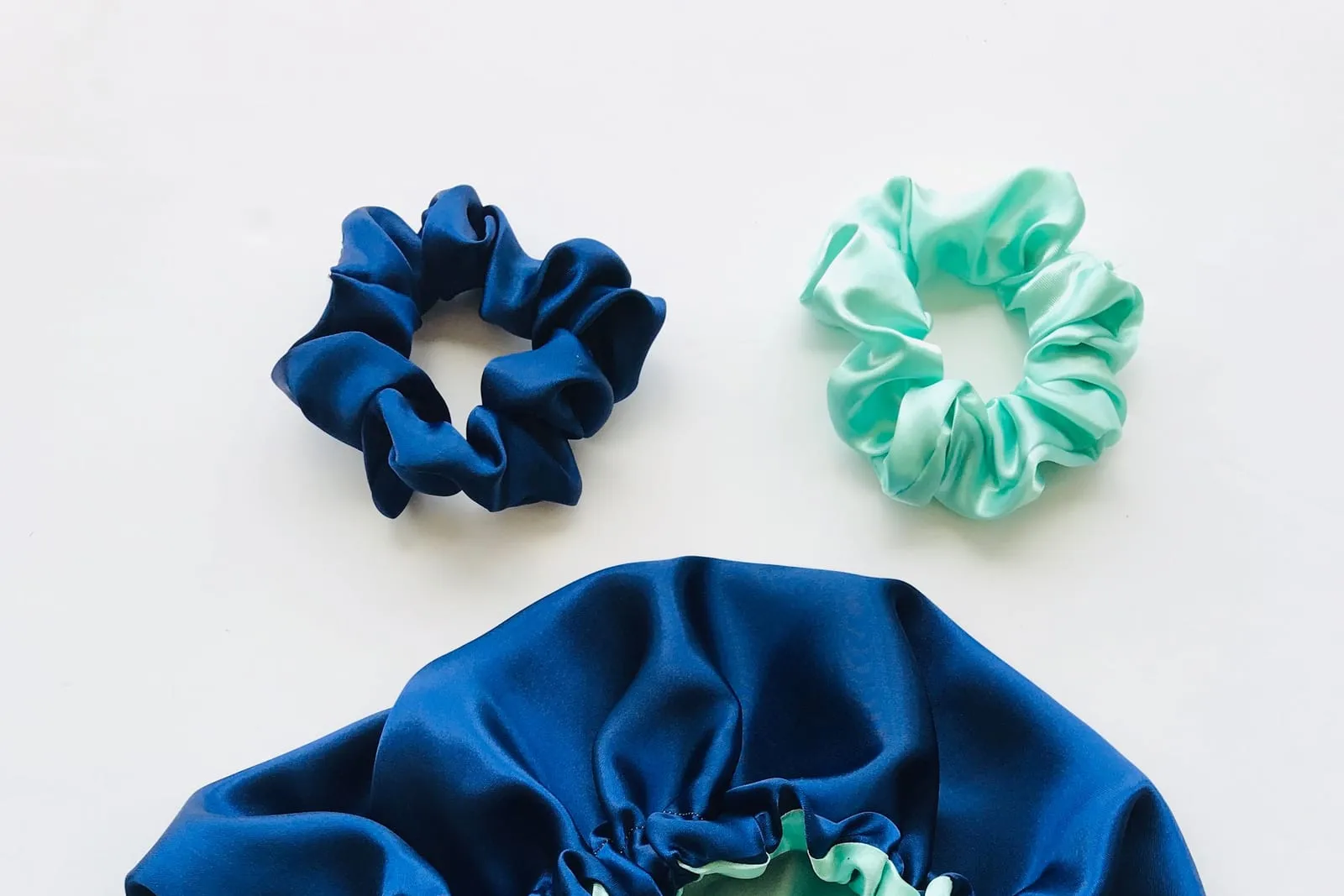
- Make a loose pineapple as in method 1.
- Pull the bonnet on from the back of your head forward, letting the curls settle into the cap rather than stuffing them in.
- Sit the band just behind your hairline, not on your edges, so there’s no crease and no tension on baby hairs.
- If the bonnet slides off, size up, choose an adjustable tie, or add a satin headband over the band.
Expect curls to look a little compressed when the bonnet first comes off. A ten-second shake at the roots fixes that.
7. Overnight Treatments (and What to Skip)
A light overnight treatment can leave curls softer by morning, but “light” is the key word. Two or three nights a week, smooth a dime-size amount of leave-in conditioner over the lengths of shoulder-length hair (double it for long or thick hair), then press two to four drops of a light oil such as argan, jojoba or squalane into the ends only. Follow with any protection method above.
What to avoid:
- Thick masks overnight, especially protein masks. Deep conditioners are formulated for 15–30 minutes with warmth. Left on for eight hours, protein treatments can leave hair stiff and brittle. Do a proper deep conditioning session on wash day instead.
- Going to bed with soaking-wet hair. Hair is weakest when wet, and a damp scalp for hours is uncomfortable at best.
- Oil at the roots if your hair is fine or low porosity; it will look greasy by morning.
No plastic caps or heavy butters at bedtime
Sleeping in a plastic processing cap with a mask traps heat and moisture against your scalp far longer than any treatment is designed for. Keep masks to 30 minutes, and save heavy butters for sealing ends on wash day.
Your Morning Routine After Each Method
The goal in the morning is to restore shape without creating frizz, which mostly means keeping brushes out of your hair.
-
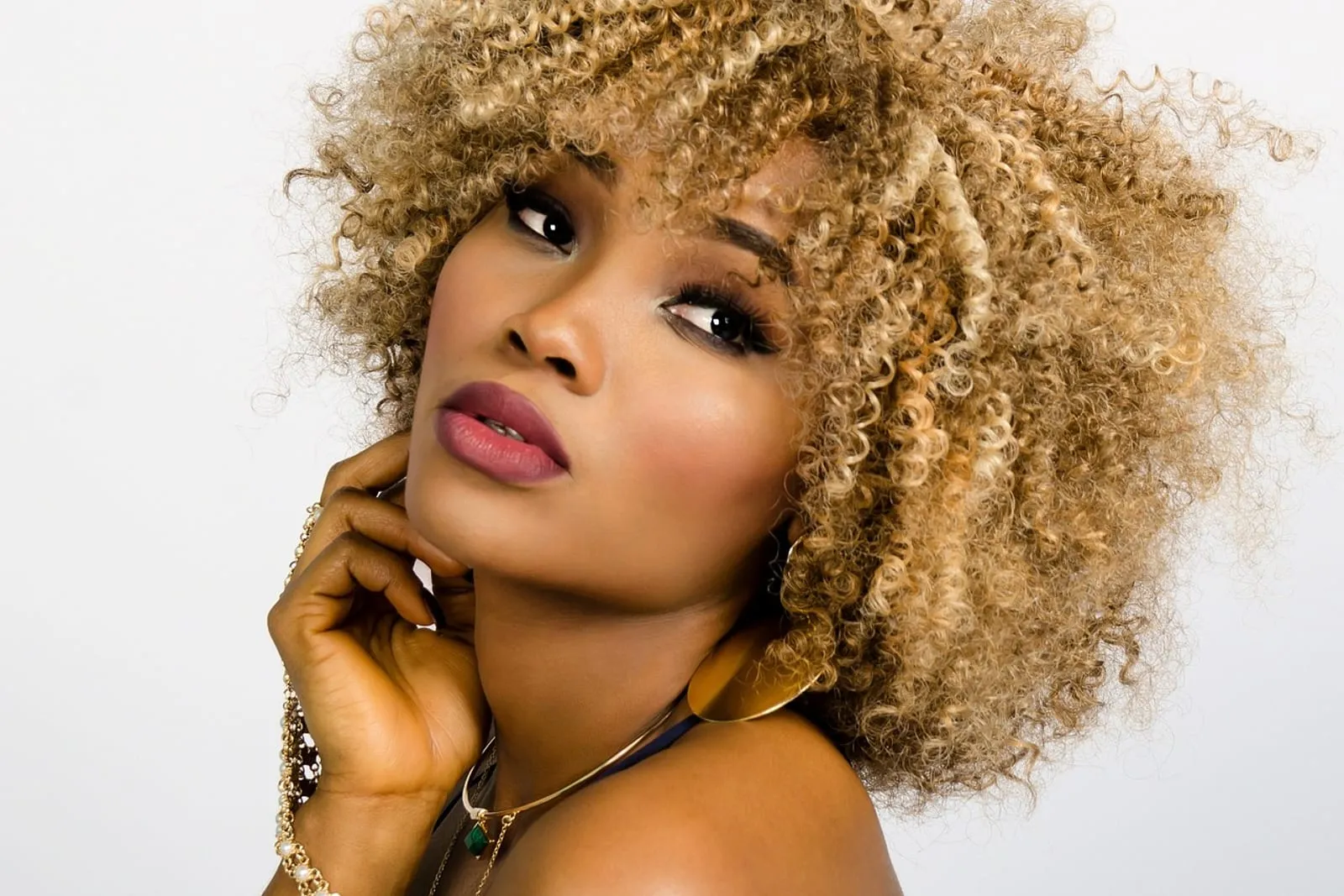
After a pineapple: slide the scrunchie out, tip your head forward and shake gently at the roots. If there’s a dent at the crown, mist it with water and lift the roots with your fingertips.
-
After braids or twists: rub a drop of oil between your palms, then unravel from the ends upward. Shake, but don’t separate the waves with your fingers or they’ll frizz.
-
After a bonnet or scarf: flip your head over, shake, and fluff at the roots. If the top is flat, clip the roots up while you get ready, or diffuse on low for sixty seconds.
-
After an overnight treatment: if ends feel coated, mist with water and scrunch. If hair looks greasy, halve the amount next time.
Clip the roots while you shower
If the crown is flat, clip the roots up with a pair of duckbill clips while you brush your teeth and get dressed. They dry with lift, and you skip the heat tools entirely.
When a thirty-second fluff isn’t enough, a full day-two curl refresh with water and a little leave-in takes five minutes.
Notes by Hair Length and Curl Type
-
Wavy hair (2A–2C): waves flatten easily, so a satin pillowcase with a single loose braid or a low pineapple is usually enough. Bonnets can over-flatten fine waves.
-
Curly hair (3A–3C): pineapple plus satin pillowcase for shoulder-length hair; add a bonnet once it’s longer.
-
Coily hair (4A–4C): chunky twists or braids inside a bonnet, with a nightly leave-in on the ends, since coils lose moisture fastest.
-
Short hair: a pillowcase does most of the work. Add a scarf wrap or mini pineapples if the top gets squashed.
-
Fine or low-density hair: use the loosest tie you can find and keep oils to the last inch of hair.
Tightness is the enemy
A pineapple or braid should never leave your hairline sore. Repeated tension at the edges can thin baby hairs over time. If you notice hairline thinning or unusual shedding, see a board-certified dermatologist rather than switching products.
The Bottom Line
Figuring out how to sleep with curly hair comes down to three fixes: lift the curls off the pillow, put satin between your hair and the cotton, and keep overnight product light. Start with a pineapple and a satin pillowcase tonight, add a bonnet if your hair is long or coily, and give it a week. Once night care is automatic, it slots neatly into a weekly curly hair routine and makes every other step easier.
Frequently Asked Questions
Is it better to sleep with curly hair up or down?
Can I sleep with wet curly hair?
Satin or silk: which pillowcase is better for curls?
How tight should a pineapple be?
You might also like
More in Hair Care →
12 Curly Hair Mistakes Making Your Curls Frizzy, Flat or Dry
These 12 common curly hair mistakes are why your curls go frizzy, flat, stringy or dry, plus the simple fix for each one. See which ones you're making!
How to Define Curls Without Frizz: A Step-by-Step Guide
Learn how to define curls without frizz using the right wet-styling technique, product layering and drying method. Steal the step-by-step wash-day plan!

How to Detangle Curly Hair Without Breakage
Learn how to detangle curly hair without breakage with a step-by-step method, the right tools and fixes for stubborn knots. Save this guide for wash day!