Hair Porosity: Low vs High, How to Tell and What to Use
Confused about hair porosity? Learn how to test for low vs high porosity hair, what each type needs, what to avoid and which myths to ignore. Find yours!

In this article
If a product your friend swears by sits on your hair like a greasy film, or your curls drink up conditioner and feel dry again by lunch, hair porosity is probably the reason. Porosity describes how easily your hair absorbs water and how well it holds on to it, and it often matters more than curl pattern when you’re choosing products. Here’s how to tell which type you have and what to use for each.
Key takeaways
- Porosity is how easily water and products move in and out of your hair, and it’s controlled by how tightly the cuticle lies.
- Low porosity hair resists moisture and builds up easily; high porosity hair absorbs fast and loses moisture just as fast.
- The float test is unreliable. Watch how your hair wets, dries and reacts to products instead.
- Low porosity wants lightweight, water-based products and gentle warmth; high porosity wants protein, richer creams and a sealing oil.
- Porosity changes with bleach, heat and sun, so reassess every few months.
Prefer a quick answer?
Our free 1-minute hair porosity quiz tells you whether your hair is low, medium or high porosity.
What Hair Porosity Actually Means
Every strand is wrapped in the cuticle, a layer of overlapping cells that sit like shingles on a roof. Porosity is simply a measure of how tightly those shingles lie.
- Low porosity: the cuticle is flat and tightly packed. Water and products struggle to get in, but once moisture is inside, it stays.
- Medium porosity: the cuticle is slightly raised. Moisture gets in and stays in without much effort.
- High porosity: the cuticle is lifted, chipped or has gaps. Moisture rushes in and escapes just as quickly.
Did you know?
Scalp hair grows about half an inch a month, according to the American Academy of Dermatology. Shoulder-length hair is therefore around two years old at the tips, which is plenty of time for heat, sun and brushing to raise porosity there.
Genetics set your baseline, but damage raises it. Bleach, permanent color, relaxers, hot tools, UV exposure and chlorine all wear away the cuticle. Because your ends are years older than your roots, it’s common to have lower porosity near the scalp and higher porosity at the tips.
Porosity is also separate from curl pattern. Any texture on the curl types chart, from 2A waves to 4C coils, can be low, medium or high porosity.
How to Test Your Hair Porosity
No at-home test is lab-grade, so treat each one as a clue and look for a pattern across several. Always test on clean hair with no product in it, because oils and silicones skew the results.
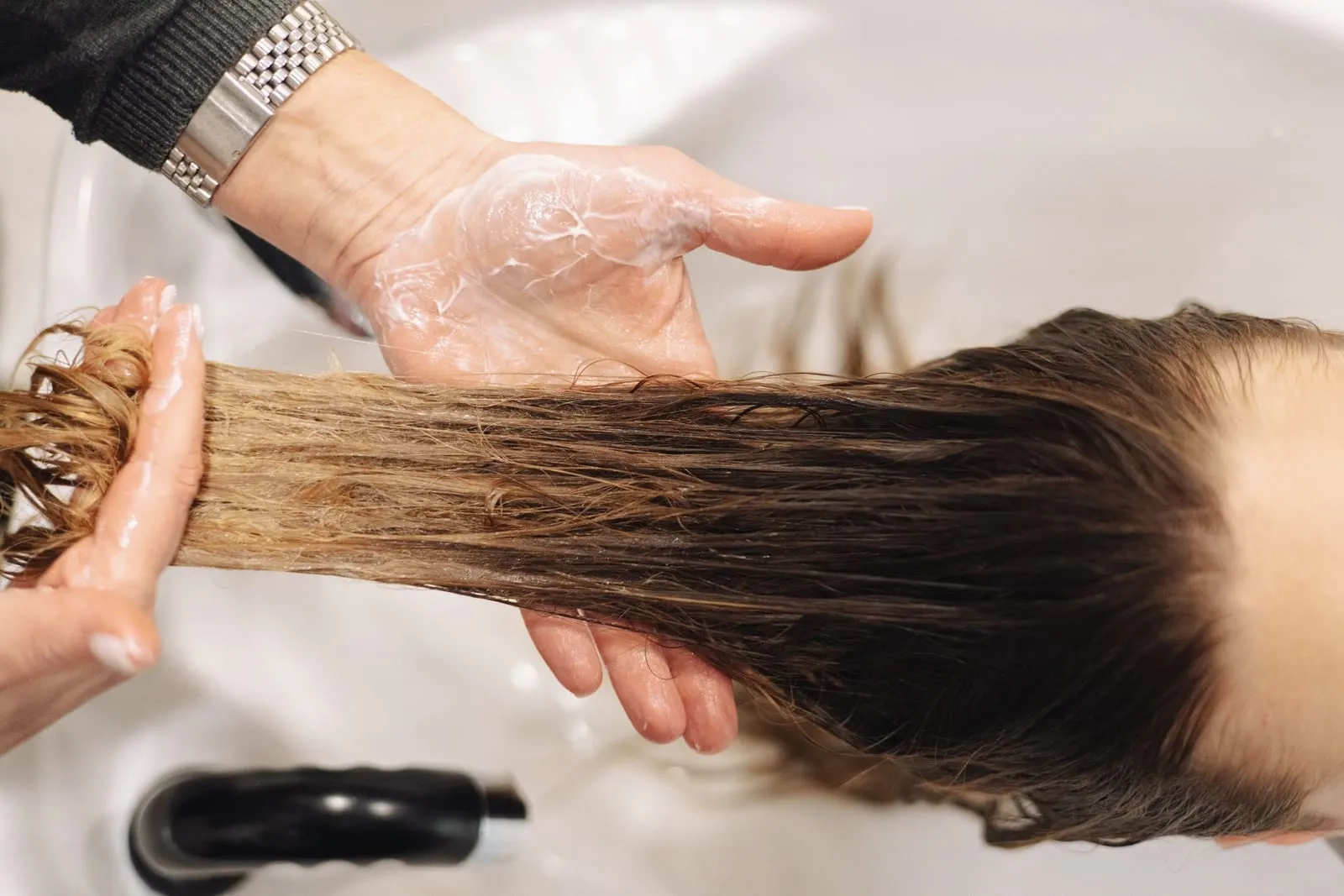
The Float Test (and Its Limits)
Drop a clean, shed strand into a glass of room-temperature water and wait two to four minutes. In theory, a floating strand means low porosity, a sinking one means high, and one that hovers in the middle is medium.
In practice, a trace of scalp oil or conditioner, a tiny air bubble or simply the water’s surface tension will keep almost any strand afloat. Count it as your weakest piece of evidence.
The Spray Test
Mist a small section of clean, dry hair with water and watch closely. Check the roots, the middle and the ends separately, because they often differ. If droplets bead up and sit on the surface for several seconds, that points to low porosity. If the water disappears almost instantly, that points to high.
Everyday Clues
Your wash day tells you more than any glass of water.
- Wetting time. Low porosity hair takes a minute or more under the shower to feel fully saturated. High porosity hair is soaked in seconds.
- Drying time. Low porosity hair often stays damp for hours. High porosity hair air-dries quickly (though very dense hair dries slowly regardless).
- Product behavior. Creams that sit on the surface or leave a white film suggest low porosity. Products that vanish and leave hair wanting more suggest high.
- Other signs of high porosity. Tangles, frizz in humidity, and color that takes fast but fades fast.
Low vs High Porosity Hair: Side-by-Side Comparison
| Trait | Low porosity | Medium porosity | High porosity |
|---|---|---|---|
| Cuticle | Flat, tightly packed | Slightly raised | Lifted, chipped or gapped |
| How it feels | Smooth, sometimes stiff or coated | Soft, elastic | Rough, dry, tangles easily |
| Getting wet | Water beads; slow to saturate | Wets evenly | Soaks up water instantly |
| Drying time | Slow | Moderate | Fast |
| Product absorption | Sits on top, builds up | Absorbs well | Drinks it up, needs more |
| What it needs | Light hydration, warmth, regular clarifying | Balance and protection | Protein, rich conditioners, sealing |
| What to avoid | Heavy butters, frequent protein, layered oils | Over-processing | High heat, harsh sulfates, skipping a sealant |
Caring for Low Porosity Hair
The goal with low porosity hair is to help moisture get in and to keep buildup off.
- Choose lightweight, water-based products. Look for water as the first ingredient and textures like milks, lotions, liquid leave-ins and light gels.
- Lean on humectants. Glycerin, aloe vera, honey and panthenol draw water into the hair.
- Add warmth when you deep condition. Cover your mask with a shower cap and a warm towel, or sit under a hooded dryer on low, for 15–20 minutes. Gentle heat helps conditioning ingredients spread and absorb, as explained in our guide to deep conditioning curly hair.
- Use less, on wetter hair. Start with a nickel-size amount, emulsify it with water in your palms, and apply to warm, soaking-wet hair.
- Keep oils light. A few drops of argan, grapeseed or jojoba oil is enough.

What to avoid matters just as much. Heavy butters such as shea and cocoa, and thick oils such as castor, tend to sit on the surface and leave hair greasy or stiff. Frequent protein treatments can cause protein overload, where hair feels hard, straw-like and snaps easily. On an ingredient list, protein shows up as hydrolyzed wheat, soy, rice or keratin protein, or as amino acids.
Finally, clarify every two to four weeks. If you follow the Curly Girl Method and co-wash, low porosity hair is the type most likely to need a proper clarifying shampoo on a regular schedule.
Steam your deep conditioner
Wet a washcloth with hot water, wring it out and wrap it over your shower cap for 10 minutes. The steady warmth helps a mask soak into tightly packed cuticles without a hooded dryer.
Read the first five ingredients
Under FDA cosmetic labeling rules, ingredients are listed in descending order of predominance. If butters or heavy oils appear in the first five, the product is probably too rich for low porosity hair.
Caring for High Porosity Hair
With high porosity hair, the goal flips. Moisture gets in easily, so your job is to fill the gaps in the cuticle and stop that moisture from escaping.
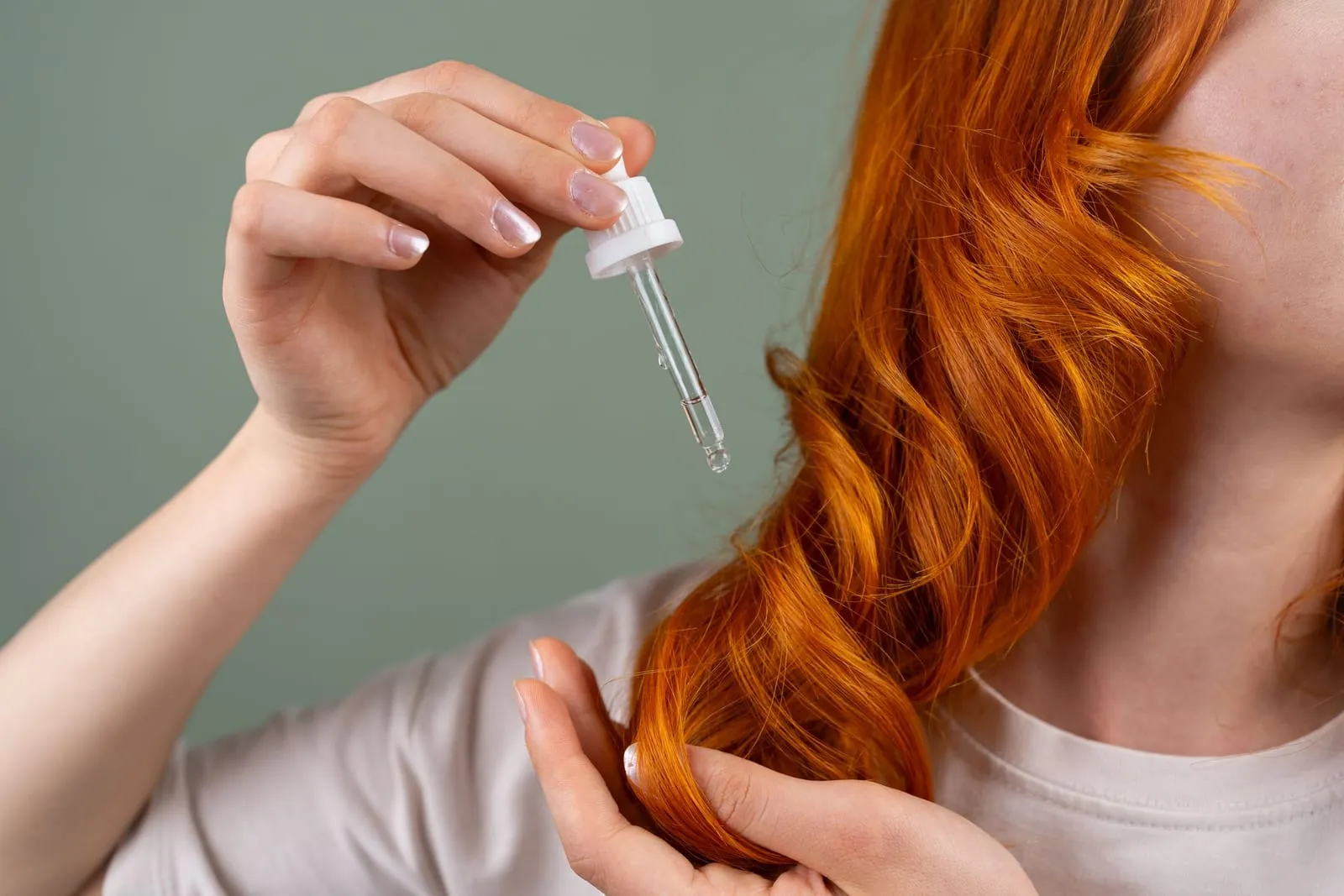
- Bring in protein. Hydrolyzed proteins temporarily patch weak spots along the cuticle, so hair feels stronger and holds a curl better. Try a protein treatment every two to four weeks.
- Use rich conditioners. Look for butters (shea, mango) and fatty alcohols such as cetyl and cetearyl alcohol, which soften hair and are nothing like drying alcohols. Deep condition weekly for 15–20 minutes.
- Seal with the LOC method. Apply a Liquid (water or a leave-in), then an Oil, then a Cream. Olive, avocado and castor oil are good sealers; a dime-size amount on the ends is plenty.
- Turn down the water temperature. Hot water swells the hair shaft and strips oil faster. Rinse with lukewarm or cool water.
- Protect from heat and sun. Use a heat protectant every time, keep hot tools at or below 350°F (175°C), and wear a hat on long days outdoors. The American Academy of Dermatology’s healthy hair tips also suggest protecting hair from pool chlorine.
- Skip drying ingredients. Avoid harsh sulfates, and short-chain alcohols (alcohol denat., isopropyl alcohol) near the top of the ingredient list.
Water-down your leave-in
Mix a rich leave-in 1:1 with water in a spray bottle and mist each section before sealing. High porosity hair gets the moisture it craves, and the lighter mix spreads evenly instead of clumping at the ends.
Watch the protein–moisture balance as you go. Hair that feels mushy, limp and overly stretchy when wet needs more protein. Hair that feels stiff and snaps needs more moisture. High porosity hair is also the most frizz-prone in humid weather, so keep these frizzy hair fixes handy.
Damage can be managed, not reversed
No product permanently closes a damaged cuticle. Proteins, conditioners and bond-building treatments improve how hair looks and behaves until the next wash, but the lasting fix is regular trims and healthy new growth.
Maintaining Medium Porosity Hair

Medium porosity is the low-maintenance middle. It takes color predictably, holds a style and rarely feels coated or parched. The aim is simply to keep it there.
Stick to a balanced routine: a regular conditioner every wash, a deep conditioner every one to two weeks, and a light protein treatment every four to six weeks. Use a heat protectant, and space out bleach or color sessions, since chemical processing is the fastest route from medium to high porosity.
If you have mixed porosity, with healthy roots and porous ends, treat them separately. Use lightweight products near the scalp and save richer creams and oils for the last few inches.
Hair Porosity Myths to Ignore
Did you know?
Hair is made mostly of keratin, a protein, which is why protein products can temporarily patch rough spots on the cuticle but can’t rebuild it permanently.
- “Porosity is fixed for life.” Your genetic baseline is, but damage raises porosity over time, and new growth lowers the average again.
- “Curly hair is always high porosity.” Curls are often drier because scalp oil travels down them slowly, but plenty of curly and coily hair is low porosity.
- “Low porosity hair should never touch protein.” It needs less, not none. Small amounts in a styler are usually fine.
- “High porosity hair can’t get too much protein.” It can. Any hair turns brittle when protein outweighs moisture.
- “A cold rinse seals the cuticle.” Cool water is gentler than hot, but conditioner does far more to smooth the cuticle than temperature does.
Product-Type Cheat Sheet by Hair Porosity
| Product type | Low porosity | Medium porosity | High porosity |
|---|---|---|---|
| Shampoo | Gentle; clarify every 2–4 weeks | Gentle; clarify monthly | Moisturizing, sulfate-free |
| Conditioner | Lightweight, rinses clean | Balanced | Rich, with butters and fatty alcohols |
| Deep conditioner | Moisture-based, with heat | Every 1–2 weeks | Weekly; alternate moisture and protein |
| Protein | Every 6–8 weeks at most | Every 4–6 weeks | Every 2–4 weeks |
| Leave-in | Liquid or milk | Light cream | Rich cream |
| Oil | A few drops of argan, grapeseed or jojoba | Light to medium oils | Olive, avocado or castor to seal |
| Styler | Mousse, foam or light gel | Gel, or cream plus gel | Cream plus strong-hold gel |
When to see a professional
If your hair’s texture changes suddenly without bleach, color or heat to explain it, or you notice unusual breakage, shedding or thinning, see a board-certified dermatologist or a trichologist. Sudden changes can have causes that products won’t fix.
The Bottom Line
Hair porosity explains why the same product can be perfect for one person and useless for another. Skip the float test and watch how your hair wets, dries and absorbs products. Low porosity hair wants light, water-based formulas, warmth and regular clarifying, while high porosity hair wants protein, rich conditioners and a sealing oil. Give any change three or four washes before you judge it, then plug what works into your weekly curly hair routine.
Frequently Asked Questions
Is the hair porosity float test accurate?
Can hair porosity change over time?
Does low porosity hair need protein?
What is the LOC method for high porosity hair?
You might also like
More in Hair Care →
12 Curly Hair Mistakes Making Your Curls Frizzy, Flat or Dry
These 12 common curly hair mistakes are why your curls go frizzy, flat, stringy or dry, plus the simple fix for each one. See which ones you're making!
Deep Conditioning Curly Hair: How Often and How to Do It Right
Deep conditioning curly hair the right way: how often by porosity, step-by-step with heat, moisture vs protein masks and safe DIY recipes. Revive dry curls!

Fine Hair Volume: 10 Tricks That Really Work
Get fine hair volume that lasts with 10 simple tricks, from wash routine and cut to blow-dry tricks and product swaps. See which ones fit you. Try one today!