How to Save Money on Groceries: 15 Habits That Add Up
Learn how to save money on groceries with 15 simple habits, from unit prices and store brands to smarter storage and batch cooking. Start with one today!
In this article
- How to Save Money on Groceries Before You Shop
- In the Store: 6 Habits That Lower the Receipt
- Where Most Shoppers Overpay (and What to Buy Instead)
- At Home: 5 Habits That Stop Food Waste
- Grocery Myths vs. Facts
- A Simple Weekly Rhythm
- Troubleshooting: If Your Grocery Bill Will Not Budge
- Your Next Step
Your grocery bill rarely jumps because of one big mistake. It creeps up through small ones: an unplanned lunch run, a bag of spinach that wilts in the drawer, a bigger box that was not actually cheaper. This guide shows you how to save money on groceries with 15 habits, sorted by when you use them: before you shop, in the store and at home.
Key takeaways
- Savings come from three places: what you buy, what you pay per unit and what you throw away.
- Plan around the food you already own, then shop from a list.
- Compare the unit price (price per ounce, pound or count), not the sticker price.
- Store brands, frozen produce and seasonal fruit and vegetables are easy swaps.
- You do not need all 15 habits. Pick two this week and add more later.
How to Save Money on Groceries Before You Shop
Savings start at home, before you pick up a cart. These four habits take about 15 minutes in total and make every later step easier.
1. Shop Your Kitchen First
Open the fridge, freezer and pantry and write down what needs to be eaten this week. Half a bag of rice, two chicken thighs and a limp bell pepper are already most of a dinner. Every meal built from food you own is a meal you do not pay for twice.
Snap a photo before you go
Take a quick picture of your fridge shelves and pantry. When you are standing in the aisle wondering whether you still have soy sauce, you can check your phone instead of buying a second bottle.
2. Plan a Flexible Menu
Plan four or five dinners rather than seven. Leave room for leftovers, a “clean out the fridge” night and the occasional night off. Choose recipes that share ingredients, like one bunch of cilantro that works in Monday’s tacos and Wednesday’s rice bowls, so nothing ends up half used. If planning feels like homework, our guide to meal prep for beginners shows a lighter version.
3. Write the List in Store Order
Group the list by section: produce, dairy, meat, freezer, pantry. You walk the store once instead of doubling back, and every extra aisle is another chance for an impulse buy. Add one line at the bottom for a small treat and let that be your only unplanned item.
4. Eat Before You Shop
When you are hungry, everything looks like a good idea, including the bakery samples and a second bag of chips. Have a meal or a snack first. The same goes for online orders: build the cart after you eat and check the running total before you pay.
In the Store: 6 Habits That Lower the Receipt
Once you are in the store, the goal is simple: pay the lowest price per unit for the things on your list. These six habits do most of the work.
5. Compare the Unit Price
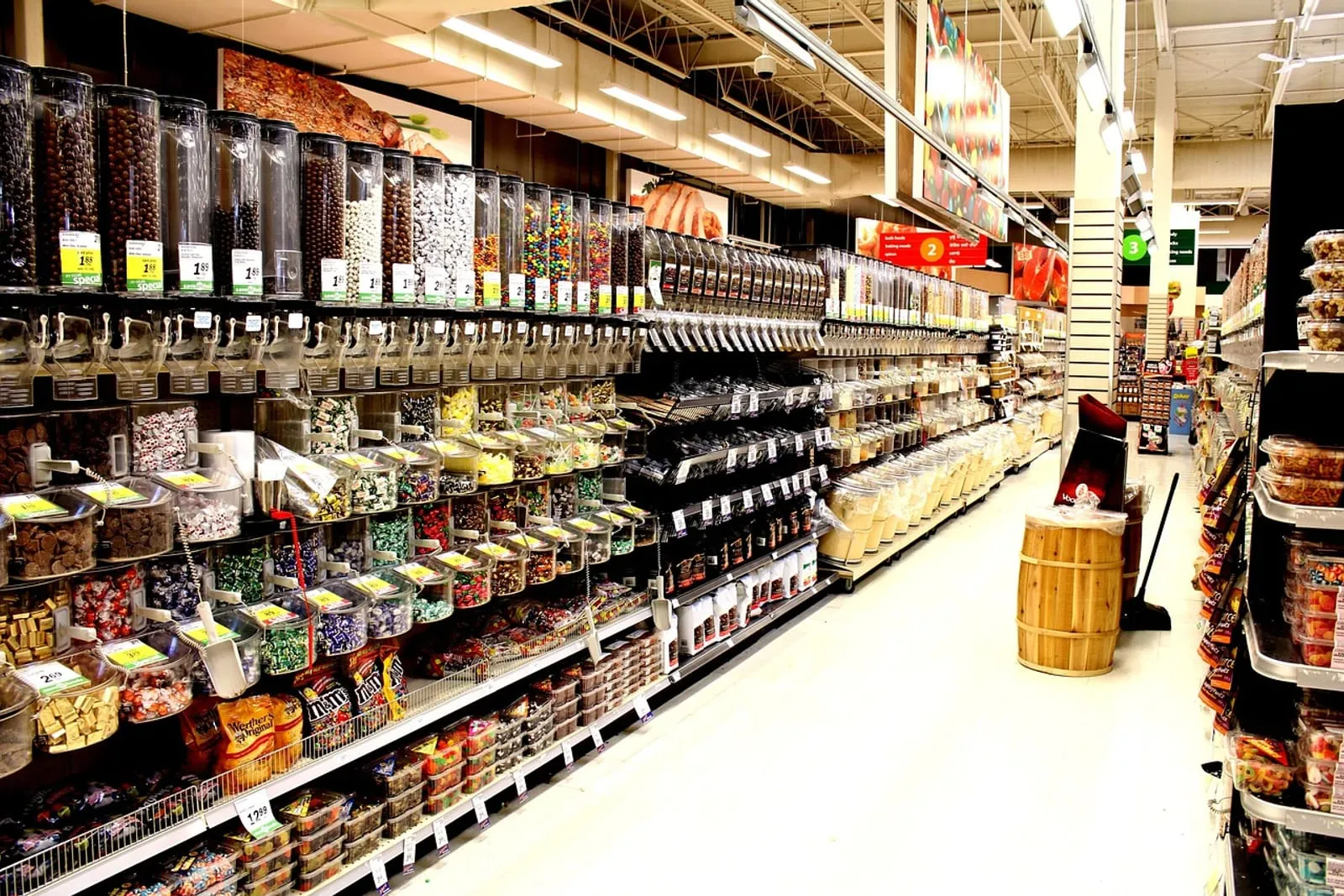
Shelf tags usually show a unit price in small print: the cost per ounce, pound, sheet or count. It lets you compare a 12-ounce box with a 20-ounce bag on equal terms. Check the unit of measure too, because one tag may use ounces and the next pounds. If a familiar package looks smaller than it used to, the unit price shows what you are really paying.
6. Join the Free Loyalty Programs
Many grocery chains offer free loyalty programs with member prices and digital coupons. Sign up with a phone number or email at checkout or in the store’s app. Then follow one rule: only use deals on things that are already on your list.
Check the app while you write the list
If chicken thighs are discounted this week, build a dinner around them instead of choosing the recipe first and paying full price.
7. Try Store Brands
Store brands are often priced lower than national brands in the same category. Start with simple staples such as flour, sugar, pasta, canned beans, butter, milk and frozen vegetables. Turn both packages over and compare the ingredient lists. If they match, switch, and keep the name brand only where you notice a real difference.
8. Buy Frozen Fruit and Vegetables
Frozen produce keeps for months, so you cook what you need and nothing rots in the crisper drawer. It works well in stir-fries, soups, smoothies and sheet-pan dinners. If you want to skip added salt, sugar or sauce, pick bags where the fruit or vegetable is the only ingredient.
Did you know?
USDA’s MyPlate guidance counts fresh, frozen, canned and dried fruits and vegetables toward your daily goals. Frozen is a perfectly valid way to eat more produce.
9. Buy Produce in Season
In-season produce is usually plentiful, which tends to mean lower prices and better flavor. Think apples and squash in fall, citrus in winter, asparagus and peas in spring, and tomatoes, corn and berries in summer. Out of season, reach for the frozen version instead of the fresh one at its peak price.

10. Pay for Convenience Only When It Counts
Pre-cut fruit, shredded cheese, single-serve snack packs and marinated meat usually cost more per pound than the plain version, because you are paying for someone else’s time. Keep the convenience foods that really save you a meal, like bagged salad on a hectic week, and do the rest yourself. The table below shows common swaps.
Where Most Shoppers Overpay (and What to Buy Instead)
| Where you tend to overpay | Cheaper swap | Why it works |
|---|---|---|
| Pre-cut fruit and vegetables | Whole produce, cut at home | You skip the labor charge |
| Single-serve snack packs | One large bag, split into small containers | Compare the unit price |
| Flavored yogurt cups | Plain yogurt plus fruit or honey | You control the sugar and the price |
| Instant oatmeal packets | Rolled oats from a canister | Same grain, less packaging |
| Name-brand staples | Store-brand flour, pasta, canned beans | Ingredient lists are often the same |
| Berries and greens that spoil | Frozen berries and spinach | Nothing to throw away |
| Marinated or seasoned meat | Plain meat with your own oil, lemon and spices | Plain cuts are usually cheaper per pound |
At Home: 5 Habits That Stop Food Waste
The cheapest food is the food you actually eat. USDA estimates that 30 to 40 percent of the US food supply goes uneaten, and part of that happens in home kitchens. These five habits keep what you bought out of the trash.
11. Store Food So It Lasts
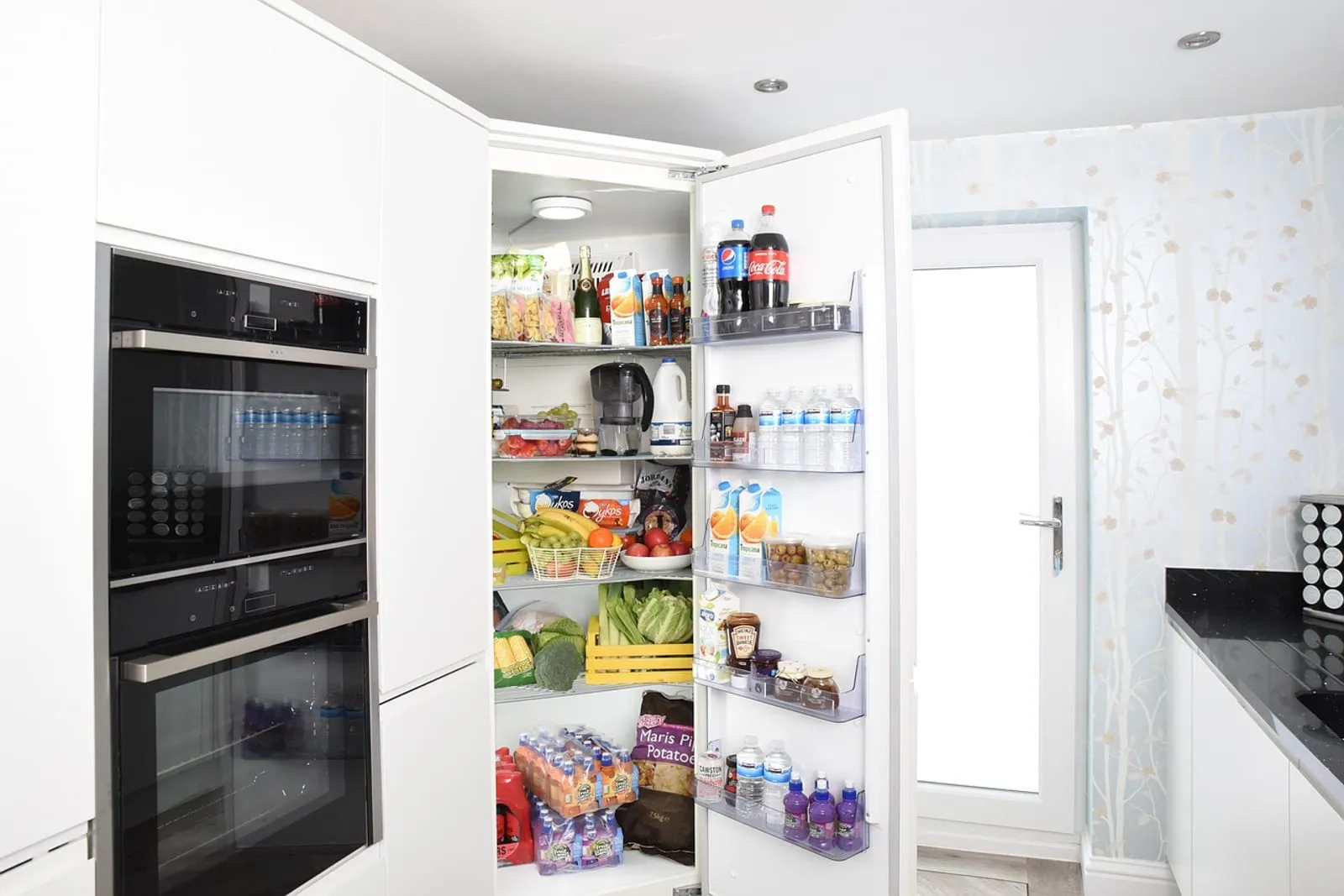
Keep the fridge at 40°F or below. Stand soft herbs such as cilantro and parsley in a jar with an inch of water, and keep onions and potatoes in a cool, dry, dark spot instead of the fridge.
Did you know?
Apples, bananas and ripe pears give off ethylene, a natural gas that speeds up ripening and can make nearby leafy greens and broccoli turn yellow sooner. Store them away from your vegetables.
12. Use First In, First Out
When you unpack, slide older items to the front and put new ones behind them. Restaurants call this “first in, first out,” or FIFO. At home it means last week’s yogurt gets eaten before today’s.
Start an “eat me first” bin
Keep a clear bin or a marked shelf in the fridge for anything that needs to be used in the next day or two. Check it before you decide what to cook, and the menu half-plans itself.
13. Learn What Date Labels Mean
“Best if used by,” “sell by” and “use by” all look like expiration dates, but they usually are not. Check how the food was stored, how long it has been open and whether it looks or smells off, and throw it out if you are unsure.
Did you know?
Except for infant formula, federal law does not require date labels on food. On most products the date is the maker’s estimate of peak quality, according to the USDA Food Safety and Inspection Service.
14. Turn Leftovers Into New Meals
Cooked rice becomes fried rice, roasted vegetables go into an omelet or wrap, and wilting greens and odd vegetables belong in soup. Stale bread turns into croutons or breadcrumbs. Keep a freezer bag for onion ends, celery tops and herb stems, and simmer them into stock when it is full.
Do not leave leftovers out
USDA advises refrigerating cooked food within 2 hours, or within 1 hour if the room is above 90°F. Eat refrigerated leftovers within 3 to 4 days and reheat them to 165°F.
15. Cook in Batches and Freeze Portions
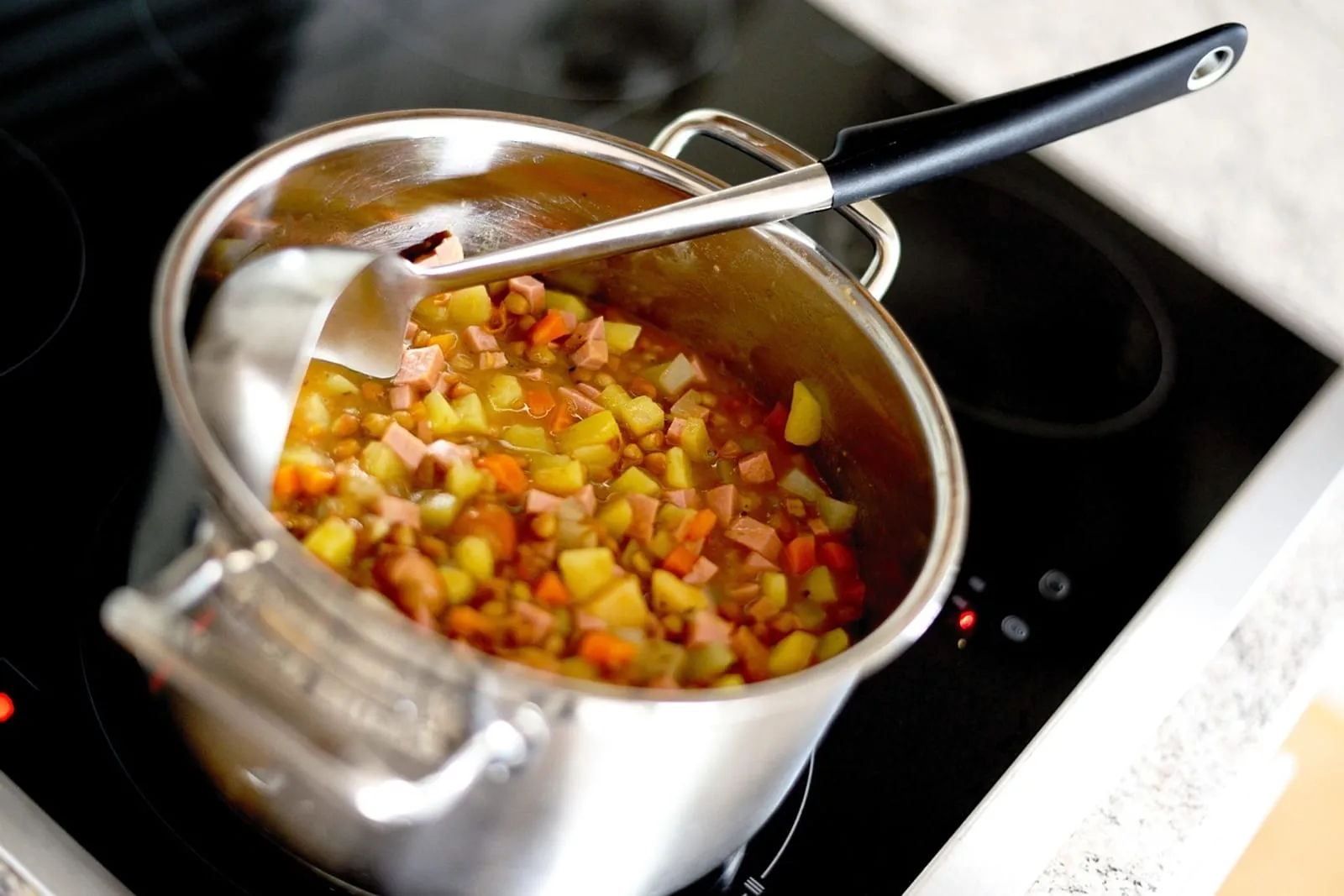
Make a double batch of soup, chili or pasta sauce and freeze half in single-meal containers. Label each one with the name and date, because a mystery block of frost never gets eaten. Food kept at 0°F stays safe, though quality fades over time, so use frozen meals within a few months for the best flavor.
Add one line to your morning routine: move tonight’s portion from the freezer to the fridge to thaw. Our morning routine ideas show how to fit small steps like this into a busy start to the day.
Freeze small amounts in ice cube trays
Leftover tomato paste, broth and chopped herbs in a little olive oil freeze nicely in ice cube trays. Pop the cubes into a bag, and you have ready-made portions for soups and sauces.
Grocery Myths vs. Facts
| Myth | Fact |
|---|---|
| A bigger package is always cheaper. | Not always. Check the unit price, and remember that a large package only saves money if you use it up. |
| Coupons always save money. | Only if you would have bought the item anyway. |
| Store brands are lower quality. | Check the label. If the ingredient list matches, you are mostly paying for the logo. |
| Frozen produce is a second-rate choice. | MyPlate counts frozen fruits and vegetables just like fresh ones. |
A Simple Weekly Rhythm
Habits stick when they have a place on the calendar. Try this schedule and adjust the days to fit your week.
| When | What to do |
|---|---|
| Day before shopping | Check the fridge, plan four or five dinners, write the list |
| Shopping day | Shop after eating, follow the list, put older food in front |
| Midweek | Open the “eat me first” bin and cook around it |
| Weekend | Make one big pot of something and freeze half |
Troubleshooting: If Your Grocery Bill Will Not Budge
You Shop Too Often
Every trip adds unplanned buys. Try one main trip a week plus a quick fill-in for fresh items, and keep the list on your phone so you do not have to go back for forgotten things.
You Cook for One or Two
Large packages are hard to finish. Split meat, bread and cooked grains into single portions before freezing, and lean on frozen vegetables so a half-used bag never goes bad.
Food Still Goes Bad
Plan the most perishable meals, like fish and leafy greens, for the first days after shopping, and keep the freezer-friendly ones for later in the week. Buy fewer fresh items and more frozen for a few weeks and see what changes.
Your Family Resists Store Brands
Switch one item at a time, starting with ingredients nobody tastes on their own, like flour, sugar and canned tomatoes. Keep the name brand for the one or two items your household truly notices.
Try the free tool
Not sure which package is the better deal? Our Unit Price Calculator converts ounces, pounds, grams and liters to one price per unit in seconds.
Your Next Step
Pick two habits and try them this week. A good pair is “shop your kitchen first” and “compare the unit price,” because they cost nothing and pay off right away. When you are ready to turn the plan into cooked food, start with our meal prep for beginners guide. The same less-but-better thinking works in your closet too, and our capsule wardrobe guide shows how.
Frequently Asked Questions
What is the fastest way to save money on groceries?
Is it cheaper to buy frozen fruits and vegetables?
What is a unit price and where do I find it?
Are store brands as good as name brands?
You might also like
More in How-To →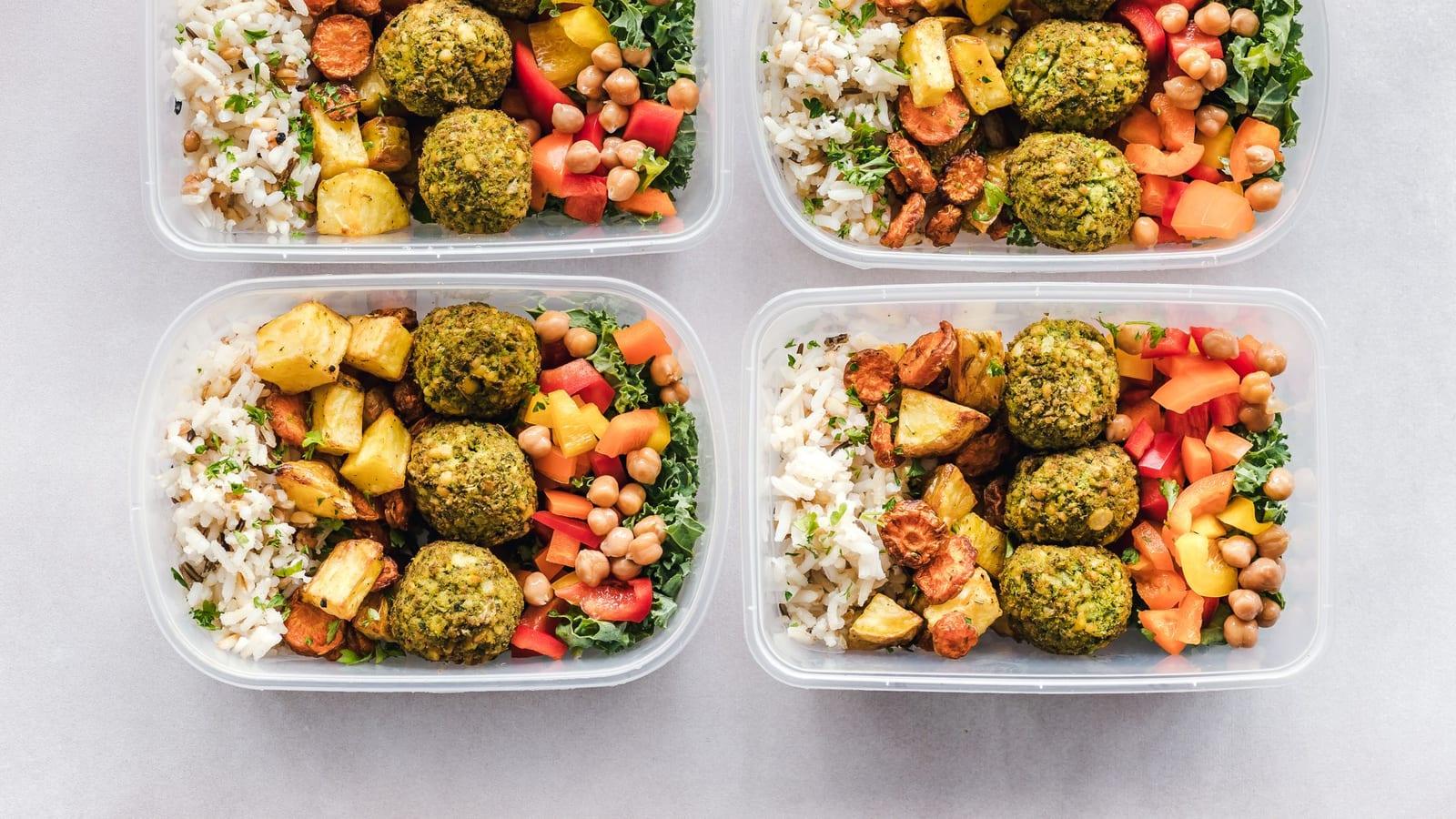
Meal Prep for Beginners: Plan and Prep a Week in 2 Hours
Meal prep for beginners made simple: plan, shop and cook a week of easy meals in about 2 hours, with a step-by-step timeline and storage chart. Start Sunday!
How to Build a Capsule Wardrobe: A Beginner's Step-by-Step Guide
Learn how to build a capsule wardrobe step by step: audit your closet, pick a color palette, use a flexible formula and buy one piece at a time. Start today!

Stain Removal Chart: How to Get Out 12 Common Stains
Use this stain removal chart to treat coffee, red wine, blood, grease, ink and 7 more stains. Get the right water temperature and what to avoid. Save it!