12 Curly Hair Mistakes Making Your Curls Frizzy, Flat or Dry
These 12 common curly hair mistakes are why your curls go frizzy, flat, stringy or dry, plus the simple fix for each one. See which ones you're making!
In this article
- 1. Brushing Curls When They’re Dry
- 2. Rubbing Hair Dry With a Towel
- 3. Using Too Much (or Too Little) Product
- 4. Never Clarifying
- 5. Getting the Wrong Haircut
- 6. Washing Too Often (or Not Often Enough)
- 7. Washing With Hot Water
- 8. Touching Curls While They Dry
- 9. Using Heavy Products on Fine Hair
- 10. Ignoring Porosity
- 11. Sleeping on Cotton With Loose Hair
- 12. Skipping Protein
- Which Curly Hair Mistakes Are You Making? A Symptom Chart
- The Bottom Line
If your curls are frizzy on top, flat at the roots or dry no matter what you put on them, the products are rarely to blame. Most of the time it’s one of a dozen curly hair mistakes, small habits borrowed from straight-hair routines that most of us picked up long before we had a curly routine. Here’s what each mistake does to your curls, why it happens, and the fix.
Key takeaways
- Most curl problems come from technique, not products: dry brushing, rough towels and touching hair while it dries.
- Too much product and too little are equally common. Add water before you add more product.
- Clarify monthly, wash on a schedule that suits your scalp, and use lukewarm water.
- Match product weight to your strand thickness and porosity.
- Protect curls at night and balance moisture with occasional protein.
1. Brushing Curls When They’re Dry
A defined curl is a group of strands clumped together. A brush separates every strand, so the pattern turns into a puffy cloud, and dry hair has no slip, so the tension snaps hairs along the way.
The fix: detangle only when hair is wet and coated in conditioner, using your fingers, a wide-tooth comb or a flexible detangling brush. Start at the ends and work up. Between washes, smooth tangles with damp fingers and a little leave-in.
Did you know?
Curly hair grows from a curved follicle, and the bends in the strand make it hard for scalp oil to slide all the way down. That’s why curls run drier than straight hair and why gentle handling matters so much.
2. Rubbing Hair Dry With a Towel
The loops of a terry-cloth towel catch on the cuticle, the shingle-like outer layer of each strand. Rubbing lifts those shingles and breaks up curl clumps before they’ve had a chance to set, and wet hair is at its most fragile.
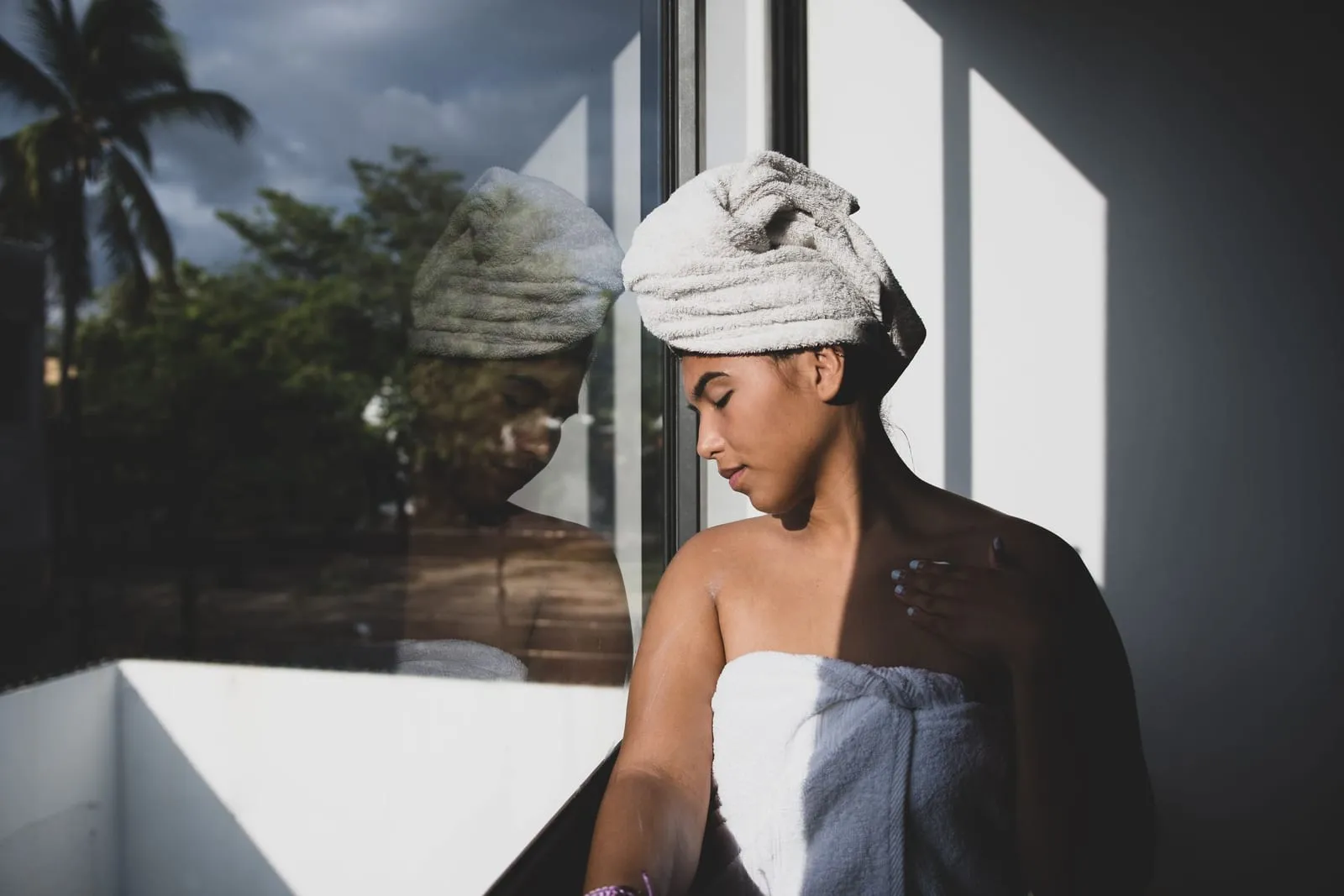
The fix: swap the towel for a microfiber towel or an old cotton T-shirt, and squeeze or scrunch upward instead of rubbing. Better still, plop your curls for 10–20 minutes to absorb water without disturbing the pattern.
3. Using Too Much (or Too Little) Product
Too much product leaves curls greasy, stringy and slow to dry. Too little leaves them soft for an hour and frizzy by lunch, because nothing is holding the clumps together.
The fix: for shoulder-length hair of medium density, start with a nickel-size amount of leave-in, a quarter-size amount of cream and a quarter-size amount of gel. Apply to soaking-wet hair. If product won’t spread, add water, not more product. Change one amount at a time so you can tell what helped.
Quick hack: squish, don’t smear
If product won’t spread, cup a little water in your palm, add the product and “squish” it into the ends with your hands scrunching upward. Water helps the product spread evenly and makes the curl clumps form.
4. Never Clarifying
Gentle shampoos and co-washes don’t fully remove butters, oils, some silicones or hard-water minerals. The film builds up, so curls look dull and limp, the scalp gets itchy, and favorite products seem to “stop working.”
The fix: use a clarifying shampoo about once a month, or every two weeks if you have hard water or love heavy products. Follow with a deep conditioner, because clarifying is drying.
Clarify before you replace
When a product that used to work suddenly doesn’t, the product probably hasn’t changed. Clarify once, restyle with your usual routine and judge it again before you buy anything new.
5. Getting the Wrong Haircut
A blunt, one-length cut stacks all the weight at the bottom, which gives the classic triangle: flat on top, wide at the ends. Thinning shears and razors fray the cuticle and cause frizz. Cutting curls wet and stretched also hides how much they’ll shrink, so the result can end up inches shorter than planned.
The fix: book a stylist who cuts curly hair regularly and ask for long layers shaped to your curl pattern. Ask them to cut dry, or to allow for shrinkage, and trim every 8–12 weeks to keep ends from fraying.
6. Washing Too Often (or Not Often Enough)
Daily shampooing strips the little oil that reaches curly lengths, leaving them dry and frizzy. Stretching washes too far has the opposite problem: sweat, oil and product collect at the scalp, roots go flat, and itching starts.
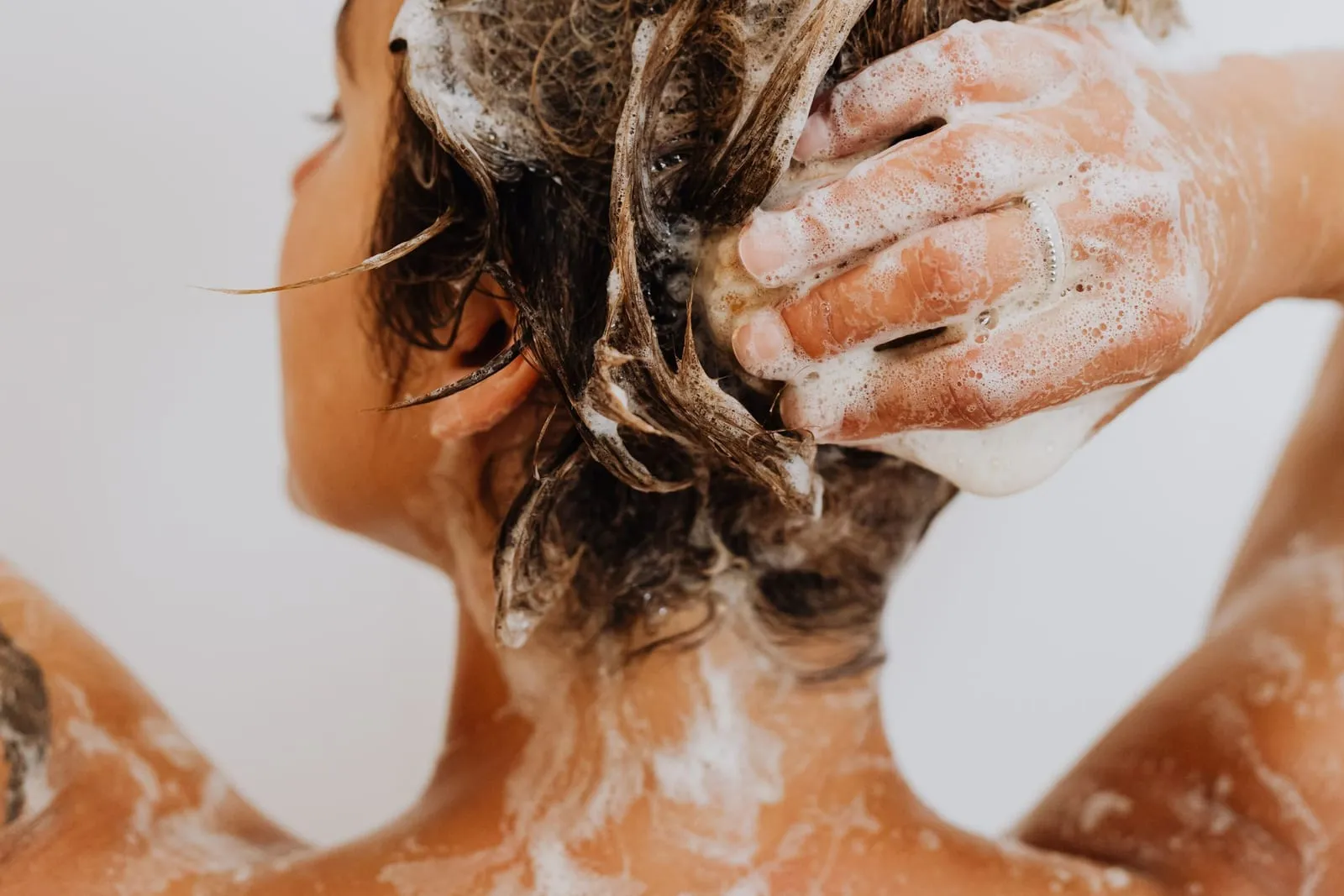
The fix: most curly hair does well with one or two washes a week, wavy hair with two or three, and coily hair every one to two weeks. The American Academy of Dermatology’s healthy hair tips suggest basing frequency on how oily your scalp gets and concentrating shampoo on the scalp. A weekly curly hair routine makes the schedule easy to stick to.
7. Washing With Hot Water
Hot water dissolves oil faster and leaves the hair surface rougher, so curls come out of the shower already dull and prone to frizz. It also dries out your scalp.
The fix: wash with lukewarm water and rinse out conditioner with the coolest water you can comfortably stand. You don’t need an ice-cold rinse; just avoid steaming-hot.
Did you know?
Hair grows roughly half an inch a month, according to the American Academy of Dermatology. A trim every 8–12 weeks removes only about an inch or so of new growth, while keeping ends from splitting.
8. Touching Curls While They Dry
As gel or mousse dries, it forms a cast that holds each clump in place. Scrunching, finger-combing or blasting with a dryer on high speed halfway through breaks the clumps before they’re set, and every broken clump becomes frizz.
The fix: hands off until hair is 100% dry. If you diffuse, use low heat and low speed, hover the diffuser around your head first, then cup sections gently. Once everything is dry, scrunch out the crunch with a drop of oil on your palms.
Quick hack: the T-shirt scrunch
If your curls feel dry mid-routine, keep a clean cotton T-shirt nearby. Once hair is completely dry, gently scrunch the ends with the shirt instead of your hands to break the gel cast without roughing up the cuticle.
9. Using Heavy Products on Fine Hair
Fine strands are easily weighed down by shea butter, castor oil and thick creams. The result is flat roots, stringy ends and hair that looks greasy by day two, even when it’s actually dry underneath.
The fix: choose lightweight products such as a mousse or foam, a leave-in spray or milk, and a light gel. Check that butters and oils sit low on the ingredient list, and apply from mid-lengths to ends only.
10. Ignoring Porosity
Porosity is how readily your hair takes in and holds water. Low porosity hair has a tight cuticle, so products sit on top and it dries slowly. High porosity hair, often from bleach or heat, soaks everything up and dries fast and frizzy.
Use the wrong product weight and low porosity hair gets coated while high porosity hair stays thirsty.
The fix: low porosity hair likes light, water-based products and gentle heat during conditioning. High porosity hair likes layering (leave-in, then cream, then gel) and regular protein. This guide to low vs high porosity hair shows how to test yours.
11. Sleeping on Cotton With Loose Hair
Cotton pillowcases absorb moisture and create friction every time you turn over. Eight hours of that flattens one side, roughs up the cuticle and tangles the nape, so day-two hair needs a full restyle.

The fix: switch to a satin or silk pillowcase or wear a satin bonnet, and gather curls in a loose “pineapple” on top of your head. The full guide on how to sleep with curly hair covers options for every length.
12. Skipping Protein
Hair is made of keratin, a protein, and damage leaves weak spots along the strand. A moisture-only routine can leave curls over-soft: limp, stretched out and mushy when wet, with a pattern that won’t hold.
The fix: every two to four weeks, use a conditioner or mask with hydrolyzed wheat, rice, silk or keratin protein. If hair turns stiff or brittle afterward, cut back and follow with moisture. The guide to deep conditioning curly hair explains how to balance the two.
When it isn’t a routine problem
A sudden change in texture, increased shedding, thinning or a sore, flaky scalp is not something a styling tweak will solve. See a board-certified dermatologist or a trichologist; the AAD’s hair care hub is a good place to start reading.
Which Curly Hair Mistakes Are You Making? A Symptom Chart
Use this chart to work backward from what you see in the mirror to the most likely cause.
| Symptom | Likely mistake | Try this first |
|---|---|---|
| Frizzy all over | Dry brushing, towel rubbing, touching while drying (1, 2, 8) | Style soaking wet, then hands off until dry |
| Frizzy halo on top | Cotton pillowcase, too little product, hot water (11, 3, 7) | Satin at night; smooth extra gel over the top layer |
| Flat at the roots | Heavy products, buildup, wrong cut (9, 4, 5) | Clarify, go lighter, clip roots while drying |
| Stringy, skinny clumps | Too much product or oil on fine hair (3, 9) | Halve your amounts and apply to wetter hair |
| Crunchy or stiff | Too much gel, cast not scrunched out, protein overload (3, 12) | Scrunch with a drop of oil; use a moisture mask |
| Greasy by day two | Heavy products, under-washing, low porosity overload (9, 6, 10) | Wash a little more often with lighter stylers |
| Dry and rough | Over-washing, hot water, unsealed high porosity hair (6, 7, 10) | Wash less, cool the water, deep condition weekly |
| Limp, curls won’t hold | No protein, product buildup (12, 4) | Clarify, then try a protein treatment |
Change one thing at a time
Fix the most likely mistake first and give it two or three washes. If you change five things at once, you won’t know which one worked.
The Bottom Line
Great curls depend far more on habits than on what’s in the bottle. Detangle wet, dry gently, style soaking wet, keep your hands off, clarify monthly and sleep on satin, and most frizz, flatness and dryness sorts itself out within a few weeks. Pick the two curly hair mistakes you recognized first, fix those this week, and build from there.
Frequently Asked Questions
Why is my curly hair frizzy even with product?
How do I know if I'm using too much product?
How often should I clarify curly hair?
Can a bad haircut really ruin curls?
You might also like
More in Hair Care →
Hair Porosity: Low vs High, How to Tell and What to Use
Confused about hair porosity? Learn how to test for low vs high porosity hair, what each type needs, what to avoid and which myths to ignore. Find yours!

A Simple Weekly Curly Hair Routine (Works for Wavy Hair Too)
Follow this simple weekly curly hair routine for soft, defined curls and waves, with wash day, refresh days and night care mapped out. Steal the schedule!

How to Sleep With Curly Hair: 7 Ways to Wake Up Frizz-Free
Learn how to sleep with curly hair so you wake up with defined, frizz-free curls: the pineapple, loose braids, satin vs bonnets and more. Try one tonight!