Curly Hair Product Ingredients: What to Look For and Skip
Curly hair product ingredients explained: humectants, oils, silicones, sulfates and alcohols, with a chart of who each suits. Read your label with confidence!
In this article
- How to Read Curly Hair Product Ingredients
- Humectants: Pulling Water Into Your Curls
- Oils, Butters and Fatty Alcohols: Soften and Seal
- Silicones: The Honest Version
- Sulfates and Alcohols: Cleaning vs. Drying
- Curly Hair Ingredient Cheat Sheet
- Patch-Test Before You Commit
- Troubleshooting: If a Product Isn’t Working
- Your Next Step
Flip over any curl cream and you’ll find a list of 20 or more long names. Which ones help your curls, and which just sound scary? Once you understand curly hair product ingredients by group, you can read a label in about a minute. This guide covers what to look for, what to skip, and where experts honestly disagree, with no brand names and no “toxic” scare tactics.
Key takeaways
- Learn ingredient groups, not hundreds of names: humectants, oils and butters, silicones, cleansers, alcohols and proteins.
- “Natural” doesn’t mean gentle, and a long chemical name doesn’t mean harmful.
- Silicones, sulfates and some alcohols are debated. They aren’t poison, but they do suit some hair better than others.
- Match ingredients to your porosity and hair density, not to trends.
- Patch-test every new product before you use it all over your head.
How to Read Curly Hair Product Ingredients
Start with the first five ingredients. They make up most of the product. In a cream, water is usually first, followed by emollients, humectants and conditioning agents.
Did you know?
In the US, cosmetic ingredients must be listed in descending order of amount, down to those present at 1 percent or less, which can then appear in any order. The FDA also doesn’t approve cosmetic products or ingredients before they are sold, except color additives. The FDA’s cosmetics page explains more.
That means you can ignore a “hero” ingredient that appears at the bottom of the list. It’s probably there in a tiny amount.
Humectants: Pulling Water Into Your Curls
Humectants attract and hold water. Curly hair tends to be dry, so they’re a staple of leave-ins and creams.
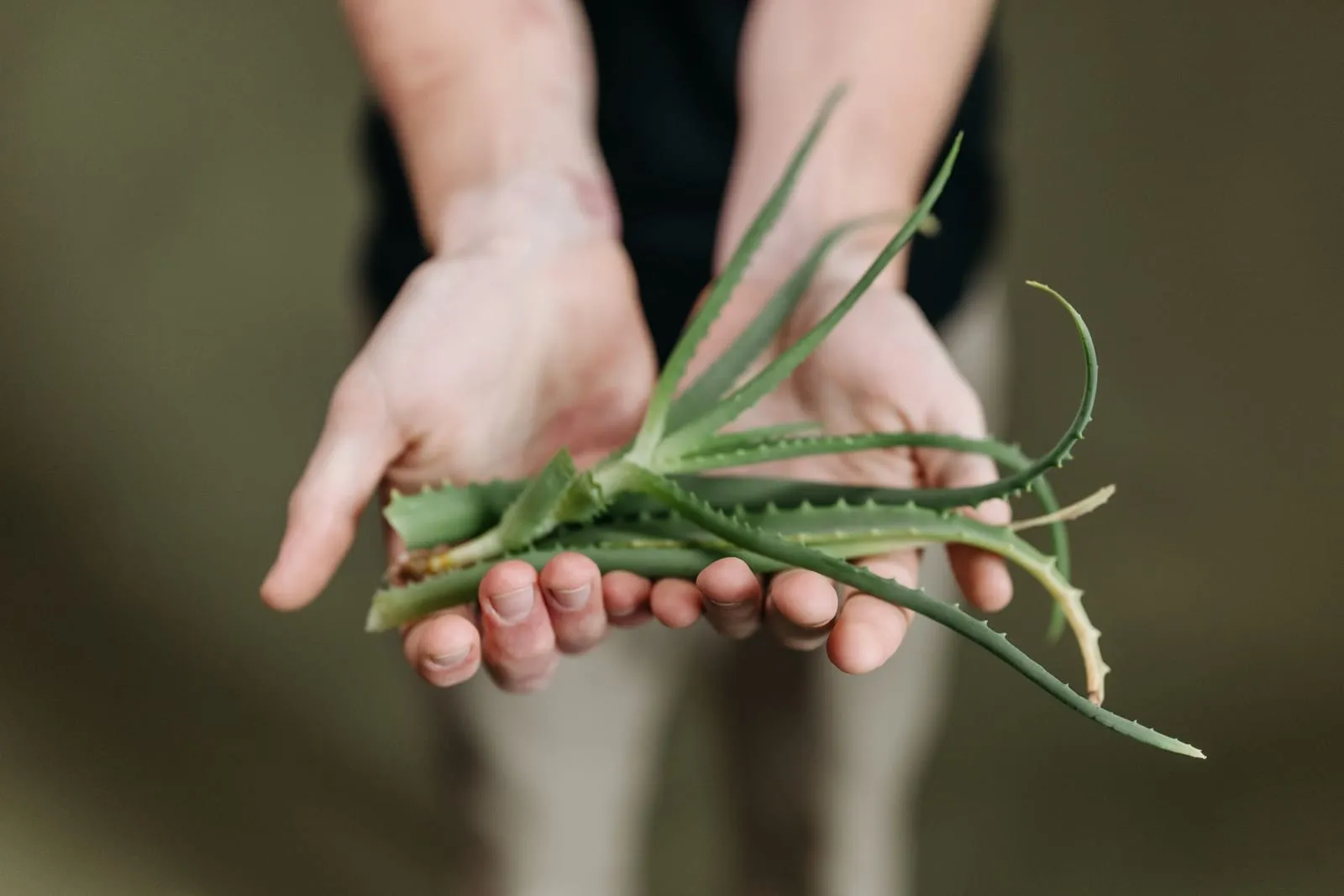
Common ones include glycerin, propylene glycol, butylene glycol, sorbitol, honey, aloe vera, panthenol and hyaluronic acid. They draw moisture from whatever is nearby, including the air.
That is why results vary. In moderate humidity, humectants can keep curls plump and soft. In very muggy air, some people see extra swelling and frizz. In very dry air, they can pull moisture out of your hair instead. If your hair frizzes in a heat wave or in winter, try a formula with fewer humectants. Our guide to curly hair in humidity goes into this.
Oils, Butters and Fatty Alcohols: Soften and Seal
Oils and butters don’t add water. They soften strands and slow water loss, so they’re best layered over a water-based product.
- Oils: coconut, jojoba, argan, olive, avocado, sweet almond and grapeseed. Light oils such as grapeseed and jojoba suit fine curls, while olive, avocado and castor suit thick or coarse hair.
- Butters: shea, mango and cocoa. These are richer and suit dry, coily hair, but can weigh down fine or wavy hair.
- Fatty alcohols: cetyl, cetearyl, stearyl and behenyl alcohol. They’re waxy, creamy and conditioning, and they’re not drying.
Did you know?
In one often-cited lab study, published in the Journal of Cosmetic Science in 2003, coconut oil was better than mineral oil or sunflower oil at reducing protein loss from hair when used before washing. Results on real heads vary, and some curly-haired people find coconut oil stiff or heavy.
Mineral oil is a separate case. Cosmetic-grade mineral oil is refined and widely used, and it isn’t toxic. It sits on top of hair, which some people like for frizz and others dislike because it can build up. For more on matching oils to your hair, read our guide to the best hair oils by hair type.
The two-layer rule
Put water first, oil second. On damp hair, apply a water-based leave-in, then a few drops of oil. The oil seals in the water instead of just sliding off dry strands.
Silicones: The Honest Version
Silicones are the most argued-about ingredient in curly hair care. You can spot them by names ending in “-cone”, “-conol” or “-siloxane”, such as dimethicone and amodimethicone.
The case for them: silicones coat the strand, adding slip, shine and frizz control. They make detangling easier and can slow moisture uptake in humid weather.
The case against them: some types aren’t water-soluble, so they can build up over time and leave curls limp or hard to moisturize. The traditional Curly Girl Method avoids them for this reason.
The truth sits in the middle. Silicones don’t damage hair, but heavy, non-soluble ones can build up. Water-soluble silicones, such as PEG-modified dimethicones, rinse out more easily. If you use them, wash with a clarifying shampoo every so often.
Sulfates and Alcohols: Cleaning vs. Drying
Sulfates
Sulfates, such as sodium lauryl sulfate, are strong cleansers that lift oil and dirt. They aren’t toxic. They’re simply effective, and on dry curly hair that can feel stripping. Many people use a gentler cleanser for regular washes and a stronger one occasionally to reset build-up. If you have an oily scalp, a stronger cleanser may suit you better.
Alcohols
“Alcohol” on a label can mean two very different things:
| Type | Examples | What it does |
|---|---|---|
| Short-chain alcohols | Alcohol denat., ethanol, isopropyl alcohol | Evaporate quickly and can feel drying, especially high on the list |
| Fatty alcohols | Cetyl, cetearyl, stearyl, behenyl | Soften and thicken creams, and are not drying |
If a gel with short-chain alcohol feels stiff or rough on your hair, you don’t have to throw it out.
Dilute a stiff gel
Mix a nickel-size of gel with a little leave-in or a mist of water in your palm before you apply it. You get a softer, more flexible hold, and a bottle lasts longer.
Curly Hair Ingredient Cheat Sheet
Save this chart for your next shopping trip.
| Ingredient | What it does | Best for | Watch out for |
|---|---|---|---|
| Glycerin, panthenol, aloe | Attracts and holds water | Dry, low-porosity curls | Extra frizz in very damp or very dry air |
| Shea or mango butter | Softens and seals | Thick, dry, coily hair | Can weigh down fine waves |
| Lightweight oils (jojoba, grapeseed) | Adds shine, smooths frizz | Fine to medium hair | Too much looks greasy |
| Dimethicone and other silicones | Adds slip and shine | Frizzy or heat-styled hair | Build-up if non-soluble |
| Hydrolyzed proteins | Temporarily strengthen strands | Damaged or high-porosity hair | Too much can feel stiff or brittle |
| Film-forming polymers (PVP, acrylates) | Hold curls in shape | Anyone wanting hold or frizz control | Can feel crunchy if overused |
| Sulfates | Strong cleansing | Heavy build-up, oily scalp | Can feel drying on dry hair |
| Cetyl or cetearyl alcohol | Conditions and thickens | Almost everyone | Rarely a problem |
Photograph your winners
Snap a photo of the ingredient list of every product that works well for your hair. Before you buy something new, compare its first five ingredients with your winners. Patterns show up fast and save you money.
Myth vs. Fact
| Myth | Fact |
|---|---|
| Sulfates are toxic | They’re cleansing agents. They can be drying for some hair types, but they aren’t poison. |
| All alcohols dry out curls | Fatty alcohols condition. Only some short-chain ones tend to be drying. |
| Natural ingredients are always gentle | Plant extracts and essential oils can cause allergic reactions, just like synthetic ones. |
| Oils moisturize hair | Oils soften and seal. Water and humectants do the moisturizing. |
| Products without preservatives are better | Water-based products need preservatives to stay safe. “Preservative-free” can mean spoilage risk. |
Patch-Test Before You Commit
A new product can irritate your skin, even if the ingredients are common. Fragrance, essential oils, preservatives and plant extracts are some of the usual suspects.

Here’s a simple patch test:
- Put a small dab on your inner forearm or behind your ear.
- Leave it for the time the label suggests, then wash it off.
- Watch for 24 hours for redness, itching, swelling or burning.
- If you notice a reaction, rinse right away and don’t use the product on your scalp.
Know your allergies
If you have a known allergy, such as to nuts, wheat or fragrance, read the full ingredient list first. Hydrolyzed wheat protein, nut oils and essential oils can trigger reactions. If you get a reaction that doesn’t settle quickly, or a rash, swelling or hives, stop and talk to a doctor or dermatologist.
Troubleshooting: If a Product Isn’t Working
Hair Feels Stiff or Brittle
That could be too much protein. Switch to a moisture-rich conditioner and skip protein products for a while. Our deep conditioning guide can help.
Hair Feels Mushy or Overstretched
That may mean it needs more protein, or less moisture. Add a protein treatment sparingly and check your hair porosity.
Curls Look Limp and Greasy
You’re probably using too much oil, butter or silicone. Use less, and clarify occasionally.
Scalp Is Itchy or Flaky
Product build-up or irritation may be behind it. Try a gentler routine, and see a dermatologist if the itching or flaking continues.
Your Next Step
Grab the product you use most and read its first five ingredients. Match them to the chart above, and decide whether the formula suits your hair. Then build a routine around the products that do in our weekly curly hair routine, and see how to apply them in our twist-out tutorial.
Frequently Asked Questions
Are sulfates bad for curly hair?
Are silicones bad for curly hair?
Which alcohols should curly hair avoid?
How do I patch-test a new hair product?
You might also like
More in Hair Care →
Gel vs Mousse vs Cream: Which Curl Product Should You Use?
Gel vs mousse vs cream: find the curl product that suits your pattern, from 2A waves to 4C coils, with a side-by-side chart and how to apply each. Pick yours!
How to Diffuse Curly Hair for Volume Without Frizz
Learn how to diffuse curly hair for big volume and no frizz: the right settings for 2A to 4C, the hover-and-cup method and fixes. Try it next wash day!
Twist-Out Tutorial: Define Curls and Coils in 6 Steps
This twist-out tutorial defines waves, curls and coils in 6 steps, with damp or dry hair tips, overnight care and a frizz-free take-down. Try it this weekend!