How to Remove Gel Polish at Home Without Damaging Your Nails
Learn how to remove gel polish at home in 10 to 15 minutes with acetone, cotton and foil, no peeling needed. Includes aftercare. Save these steps now!
In this article
Gel polish often starts lifting at the edges around week two or three, and the temptation to peel it is hard to resist. It can also come off with thin white layers of your own nail attached. You do not have to choose between a stubborn manicure and sore, bendy nails. This guide shows you how to remove gel polish at home in about 10 to 15 minutes with acetone, cotton and foil, plus a method comparison and the aftercare that keeps nails comfortable.
Key takeaways
- The safest DIY method is acetone-soaked cotton wrapped in foil for 10 to 15 minutes per hand.
- Lightly scuff only the shiny top layer first. Never file the natural nail.
- Peeling, picking and scraping can take layers of the nail with the gel.
- Use acetone in a ventilated room, away from flames, and not on broken or irritated skin.
- Finish with hand cream and cuticle oil, and give nails a break if they feel thin.
Acetone Safety: Read This Before You Start
Pure acetone is the standard way to dissolve cured gel, so it is worth a minute of safety prep. It evaporates fast, dries skin and ignites easily.
Acetone safety checklist
- Ventilate. Open a window or work near a fan that blows fumes away from you.
- Keep it away from fire. No candles, cigarettes, stoves, space heaters or hot hair tools nearby. Never warm acetone in the microwave.
- Skip broken skin. Do not use it on cuts, cracked cuticles or irritated skin.
- Test first. With any new remover or remover wrap, try one fingertip before doing all ten, and stop if the skin stings or turns red.
- Store it safely. Close the bottle and keep it out of reach of children and pets.
The fire warning is not overcautious. Here is the reason.
Did you know?
Acetone’s flash point is about 0°F (-18°C), far below room temperature, so its vapor can ignite from a spark, flame or hot surface at ordinary indoor temperatures. The CDC’s NIOSH Pocket Guide lists acetone’s flammability and safe-handling data.
Acetone can also cloud plastics and damage wood finishes. Lay a towel over your work surface, and check our sticker residue surface chart to see which materials do not tolerate it.
What You Need to Remove Gel Polish at Home
Gather everything first, because your hands will be wet and slippery once you start.
- 100% acetone (the label should say pure acetone)
- Cotton balls or pads, cut or torn into nail-size pieces
- Aluminum foil, cut into ten squares about 3 by 3 inches
- A 180-grit nail file or a coarse buffer
- Petroleum jelly or cuticle oil
- A wooden orange stick or rubber cuticle pusher
- Cuticle oil and hand cream for afterward
- A timer, and a towel for your work surface
How to Remove Gel Polish at Home: The Foil Method
This takes about 10 to 15 minutes of soaking per hand. Do one hand at a time, because your free hand needs to wrap the foil.
Step 1: Protect Your Skin
Dab petroleum jelly or cuticle oil on the skin around each nail, keeping it off the nail itself. This barrier limits how much acetone touches your skin.
Step 2: Break the Shine
Hold a 180-grit file flat and scuff the glossy top coat until it looks dull. Stop as soon as the shine is gone. The goal is to break the seal so acetone can get in, and you should never reach the natural nail underneath.
Step 3: Soak the Cotton and Wrap
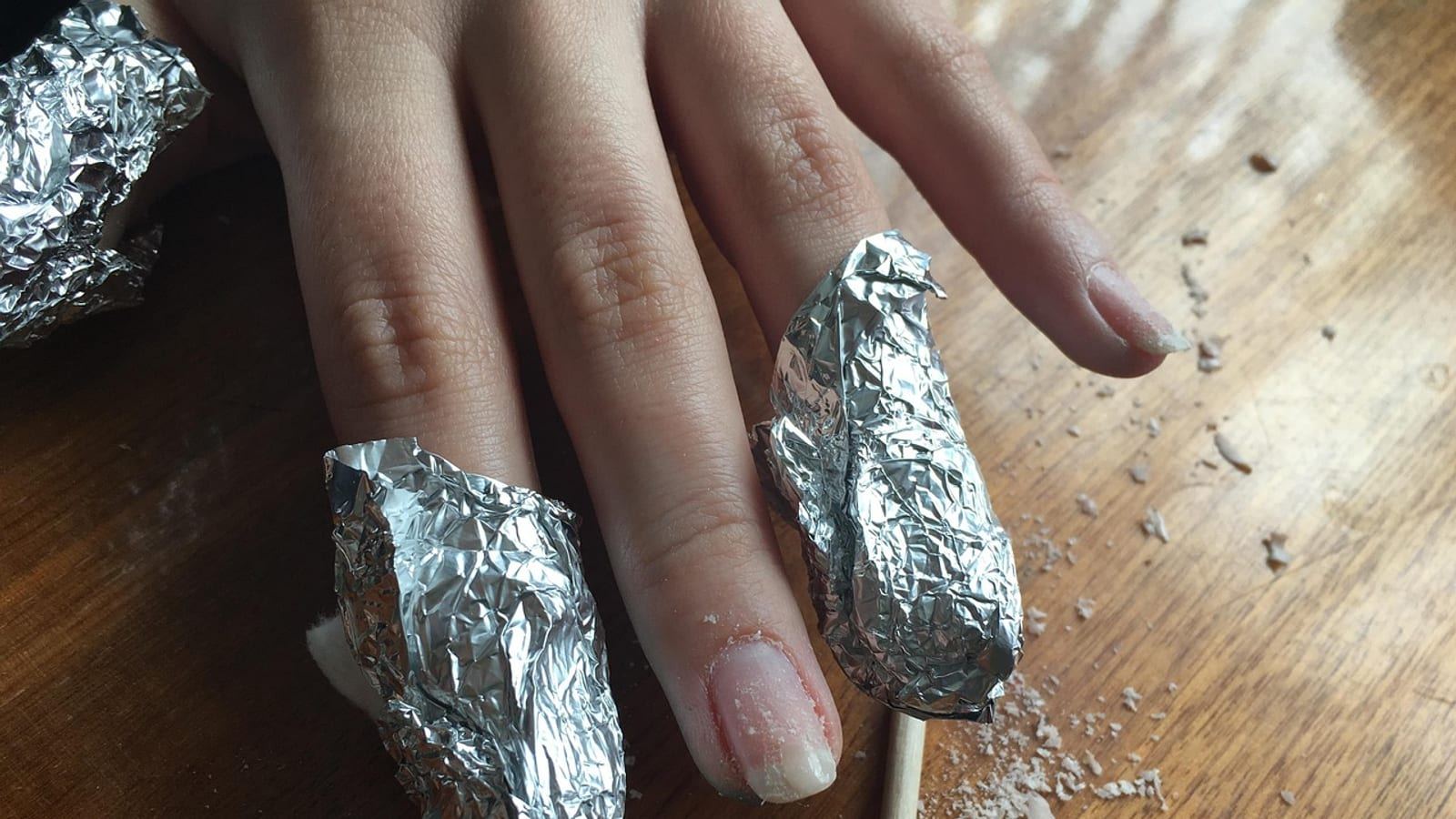
Soak a piece of cotton in acetone until it is wet but not dripping, and place it on the nail. Wrap a foil square snugly around the fingertip so it holds the cotton in place and keeps it from drying out. Repeat on all five fingers.
Prep your supplies first
Pre-cut all ten foil squares and tear the cotton into nail-size pieces before you open the acetone. Once your fingers are wet, handling foil and cotton gets awkward fast.
Step 4: Wait 10 to 15 Minutes
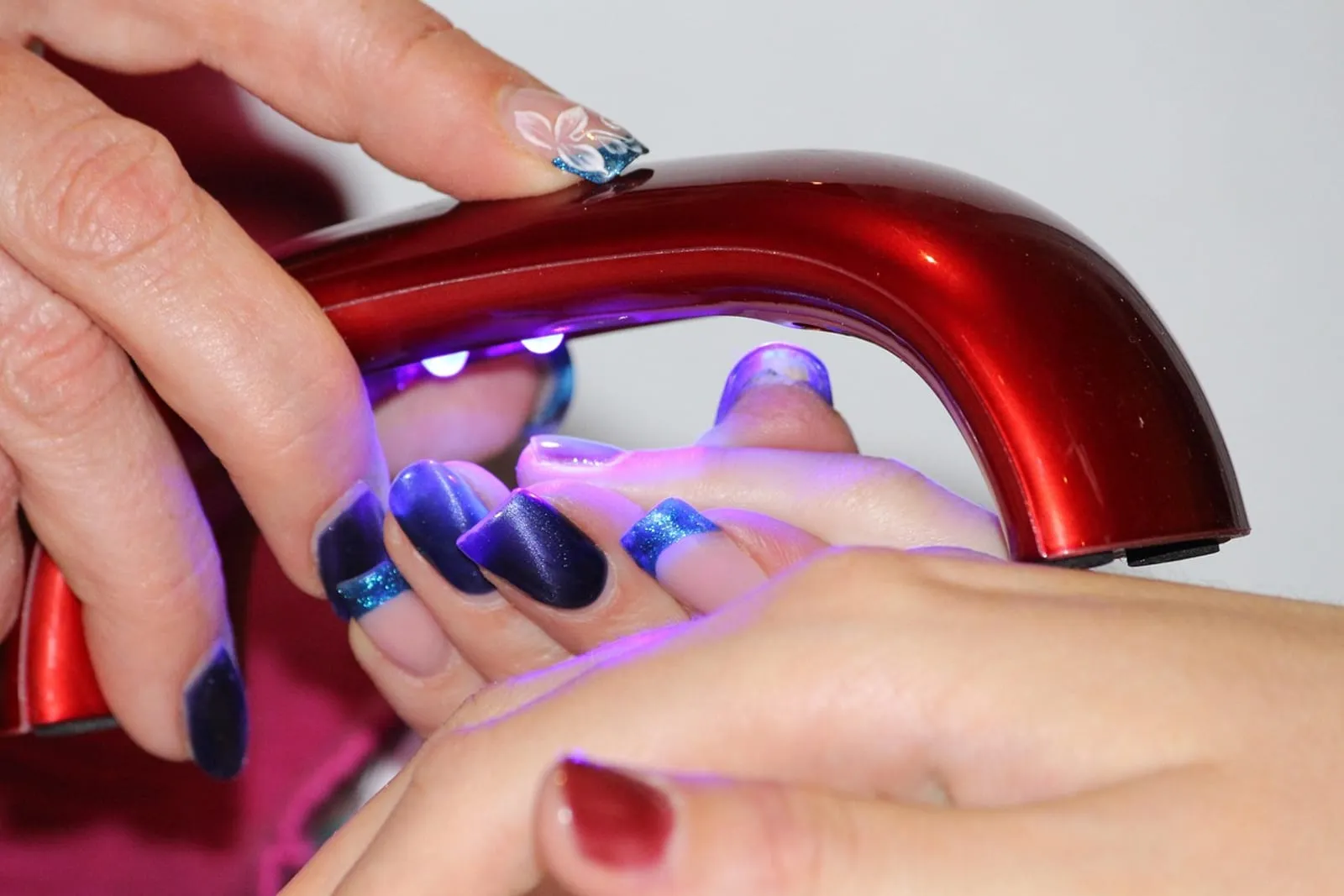
Set a timer for 10 minutes and sit still. Resist the urge to peek, because opening the wrap lets the acetone evaporate and slows things down. Gel polish is hardened (cured) by UV or LED light rather than air-dried, which is why regular remover barely touches it.
Step 5: Check One Nail
Unwrap one finger. The gel should look wrinkled and lifted, like crinkled plastic. If it still looks smooth, rewrap it and wait another 5 minutes.
Step 6: Slide the Gel Off
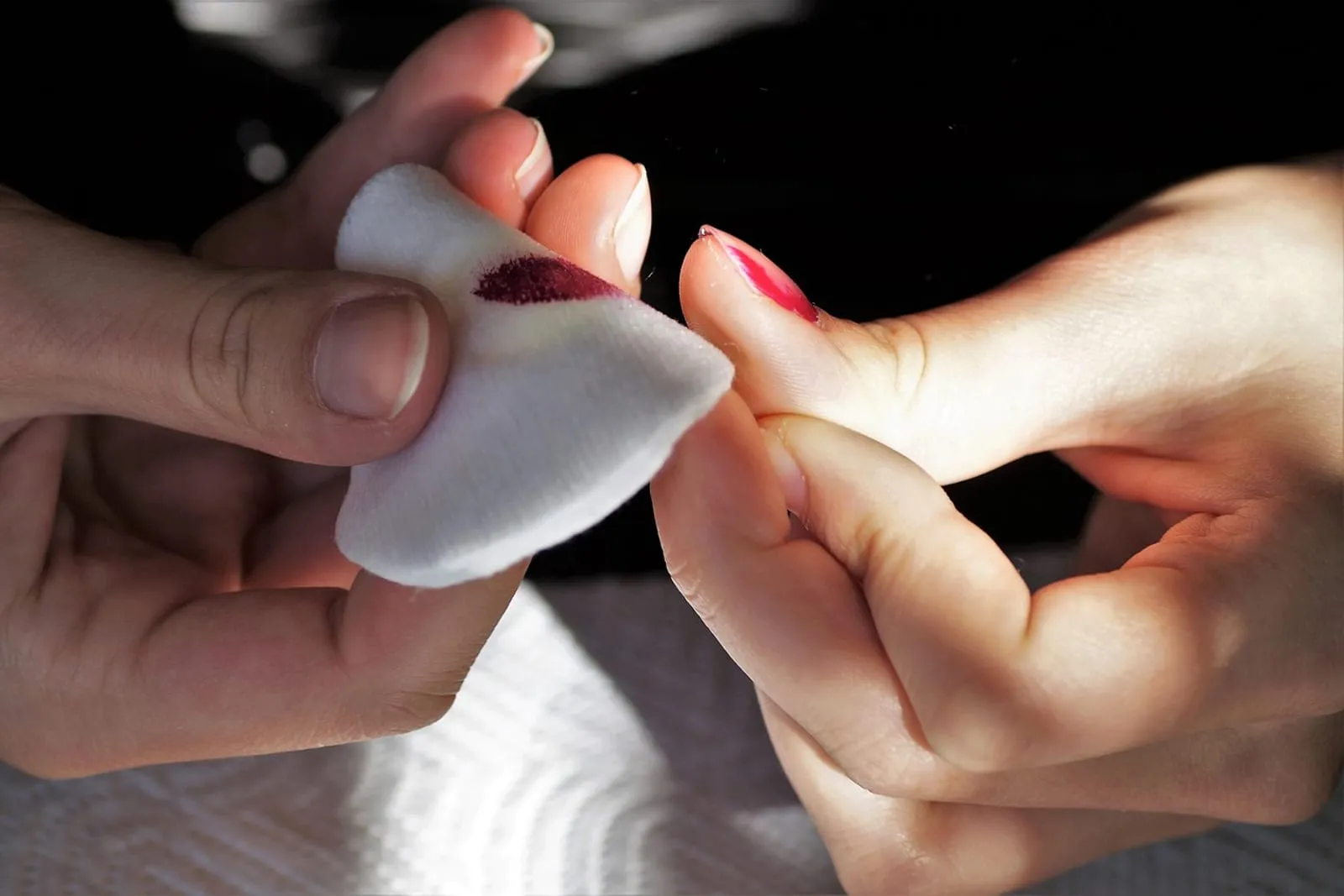
Press the cotton on the nail and wipe from the cuticle toward the tip. If a stubborn patch remains, use the orange stick to nudge it off with light pressure. If it does not move easily, rewrap for 5 more minutes instead of scraping.
Step 7: Wash and Moisturize
Wash your hands with soap and water to remove acetone residue. Pat dry, then rub cuticle oil and hand cream into the nails and skin. Repeat the process on your other hand.
Remove Gel Polish at Home: Every Method Compared
Several methods exist, and they carry very different risks to your nails. Times are typical ranges and vary with the gel brand and how many layers you wear.
| Method | Time | Risk to your nail |
|---|---|---|
| Acetone cotton wrapped in foil | 10 to 15 minutes | Low, as long as you stop before scraping |
| Reusable removal clips with acetone cotton | 10 to 15 minutes | Low, with a bit more skin drying |
| Soaking fingertips in a bowl of acetone | 10 to 15 minutes | Low to medium: more acetone touches skin |
| Acetone-free gel remover wraps | 15 to 30 minutes or more, and may not fully work | Low for skin, but people often scrape when it stalls |
| Filing the gel off with a hand file or drill | 10 to 20 minutes | High: easy to thin the natural nail |
| Peeling or picking | 1 to 5 minutes | Highest: can take layers of the nail |
What Not to Do
The easy shortcuts are the ones that cost your nails the most.
Did you know?
Fingernails grow only about 3 mm a month. Layers of nail lost to peeling are not replaced quickly, and damage near the base can take weeks to grow out.
| Myth | Fact |
|---|---|
| “If it lifts easily, peeling is fine.” | Lifted gel can still carry thin layers of the nail plate when it is pulled away. |
| “Regular polish remover works on gel.” | Cured gel resists ordinary remover, so you end up scrubbing instead of dissolving. |
| “A longer soak is always safer.” | Extra time past what you need only dries your skin. Check at 10 minutes. |
| “Filing down to the bare nail gives a clean surface.” | Filing the natural nail thins it. Only the top coat needs scuffing. |
Also skip these:
- Scraping with metal tools. They gouge the nail easily.
- Using acetone on broken skin. It stings and can irritate.
- Skipping the protective barrier. Petroleum jelly takes ten seconds.
- Rushing back to a new set. Fresh gel on thin nails often makes things worse.
Aftercare: What to Do After You Remove Gel Polish
Acetone strips oils from skin and nails, so the next hour matters most. Wash your hands, then moisturize.
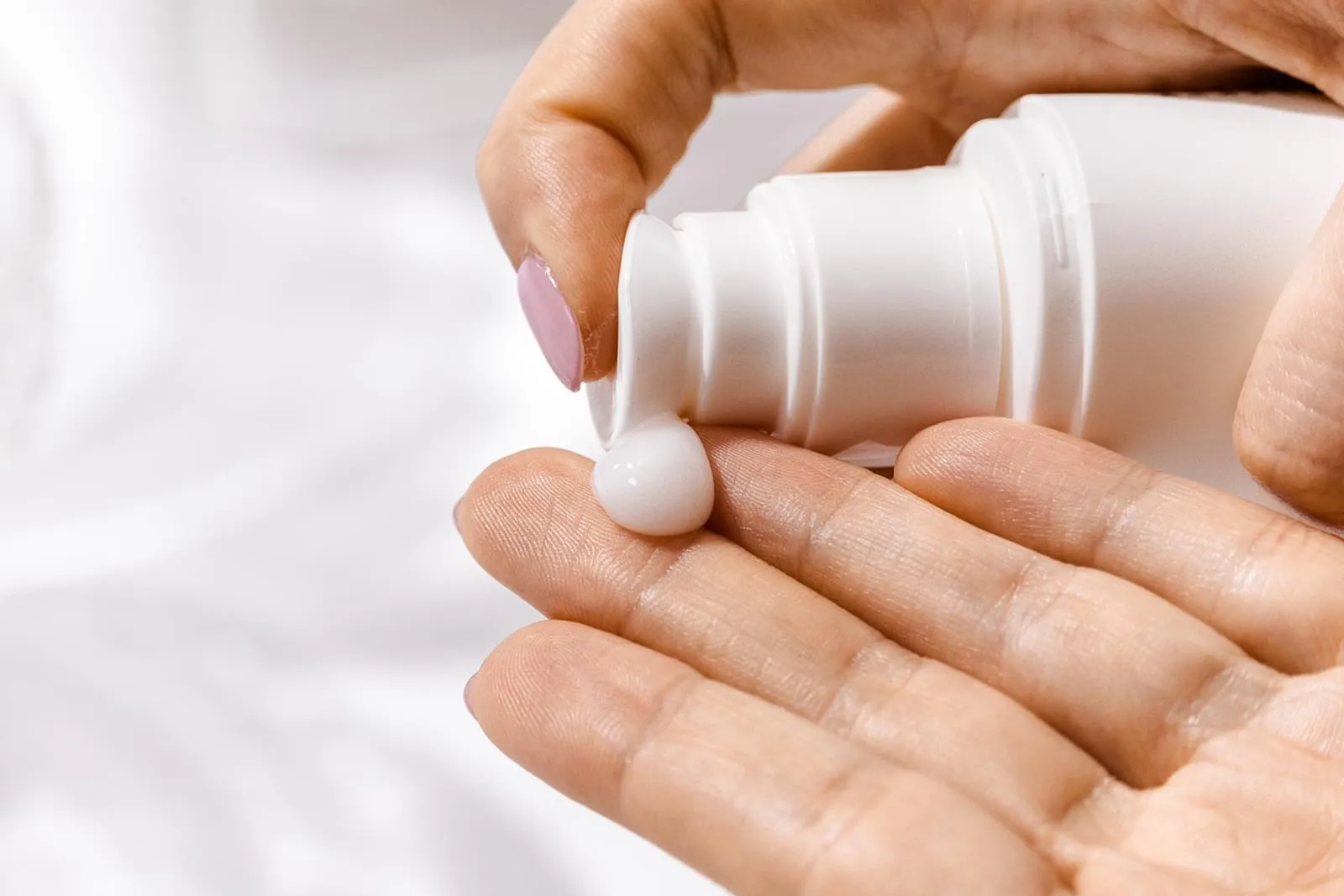
- Moisturize twice a day. Use cuticle oil on the nail edges and hand cream on your hands.
- File gently. Smooth any rough edge with a fine file, in one direction.
- Keep nails short for a few days. Short nails are less likely to snag and split.
- Take a break if nails feel thin. A week or two without polish lets you see what your nails really need.
Try a 5-minute oil soak
Once the acetone is capped and put away, pour a tablespoon of slightly warm (not hot) olive oil into a small bowl and soak your fingertips for 5 minutes. It adds moisture back to the nail and the skin around it, using something already in your kitchen.
If Your Gel Polish Won’t Budge
Stubborn gel is common, especially with glitter or several layers. Work through these causes in order.
The Gel Is Still Smooth After 15 Minutes
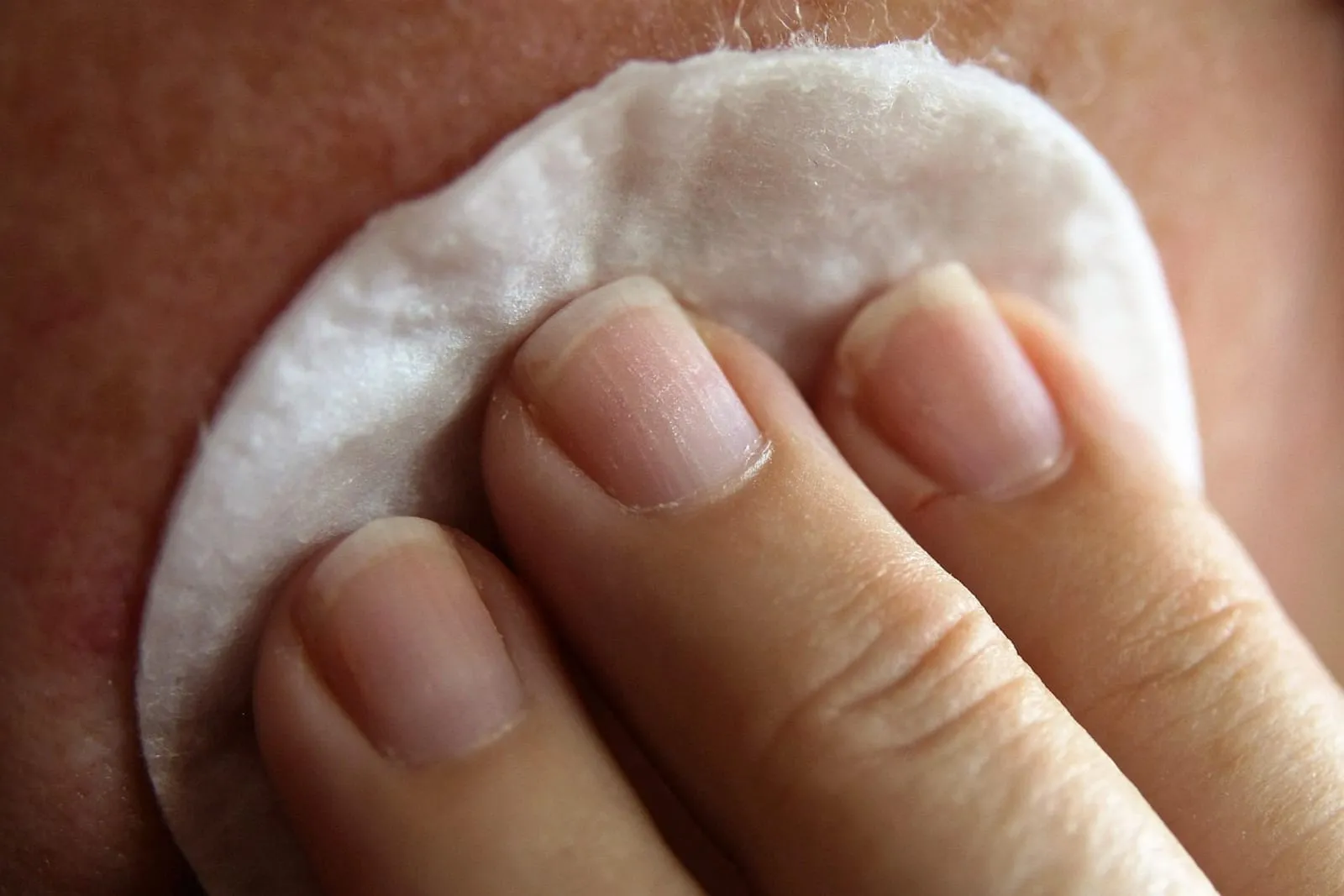
Check that you scuffed the whole top coat, not just the center. Rewrap with fresh, wet cotton and wait another 5 minutes. Cotton that dries out stops dissolving the gel.
Only the Center Came Off
Gel can be thicker at the edges and around the cuticle. Rewrap just those spots and give them an extra few minutes.
Your Nails Look Thin or White Afterward
White patches and flexible nails are common after peeling or heavy filing. Skip polish for a couple of weeks, keep nails short and moisturize daily.
Your Skin Is Red, Itchy or Burning
Stop, rinse your fingers with cool water and wash with soap. If redness, itching or swelling continues, see a dermatologist, who can check whether a product is irritating your skin. See a doctor, too, if a nail is discolored, painful, lifting from the nail bed or changing shape. Do not cover it with more polish.
Your Next Step
Pick a quiet evening, pre-cut your foil and cotton and set a 10-minute timer. A relaxed evening routine is a good time, since you cannot rush the soak. Once your nails are clean and moisturized, our beginner guide to a manicure at home walks you through shaping, cuticle care and polish. For more detail on nail care, the American Academy of Dermatology has a nail-care hub.
Frequently Asked Questions
How long does it take to remove gel polish at home?
Can I remove gel polish without acetone?
Is it OK to peel off gel polish?
How long should I wait before getting a new gel manicure?
You might also like
More in Nails →
How to Do a Manicure at Home: A Step-by-Step Guide for Beginners
Learn how to do a manicure at home in 8 easy steps, with a tool list, fixes for bubbles and smudges and tips to make it last. Start your first one tonight!
How to Grow Nails Longer and Stronger: 10 Habits That Work
Grow nails longer by cutting breakage, not chasing speed. Try 10 habits: short shape, one-way filing, cuticle oil and gloves, plus a biotin myth check.
Short Nail Designs: 20 Easy Ideas for Everyday Wear
Browse 20 short nail designs, from sheer neutrals and bold color to dot art and negative space, with easy steps and a quick-pick table. Save your favorites!