Protective Hairstyles for Winter: 7 Styles That Last
Pick protective hairstyles for winter that guard dry, breakage-prone hair from cold and wool. Compare 7 styles, then learn prep and care. Save this guide!

In this article
By mid-winter, dry air, wool hats and scarves can leave your hair brittle, tangled and snapping at the ends. Protective hairstyles for winter solve that by tucking your ends away and cutting down on daily styling. Below are seven styles to compare, the prep that makes them work and the care rules that keep your scalp healthy.
Key takeaways
- A protective style keeps the ends tucked away and reduces daily combing and styling.
- Always start with clean, moisturized, detangled hair.
- Tension is the risk: if it hurts, it is too tight.
- Satin or silk lining under hats and scarves cuts friction on the hair.
- Moisturize lightly every few days and take the style out on time.
Why Winter Is Hard on Hair
Cold air holds less moisture than warm air, and indoor heating dries it out even more. Hair that is already dry or curly loses moisture faster, and the ends are the oldest and most fragile part of the strand.
Then there is friction. Wool hats, coat collars and scarves rub the hair all day, which roughens the cuticle and leads to tangles and static. A protective style limits that contact and keeps the ends out of the way.
Did you know?
Hair is made of dead keratin cells, so it cannot repair itself the way skin does. That is why prevention matters more than any quick fix: once the ends split, trimming is the only real remedy.
Prep Before Any Protective Style
The prep decides how well a style protects your hair. Skipping it is the most common reason people take a style out with dry, matted hair.
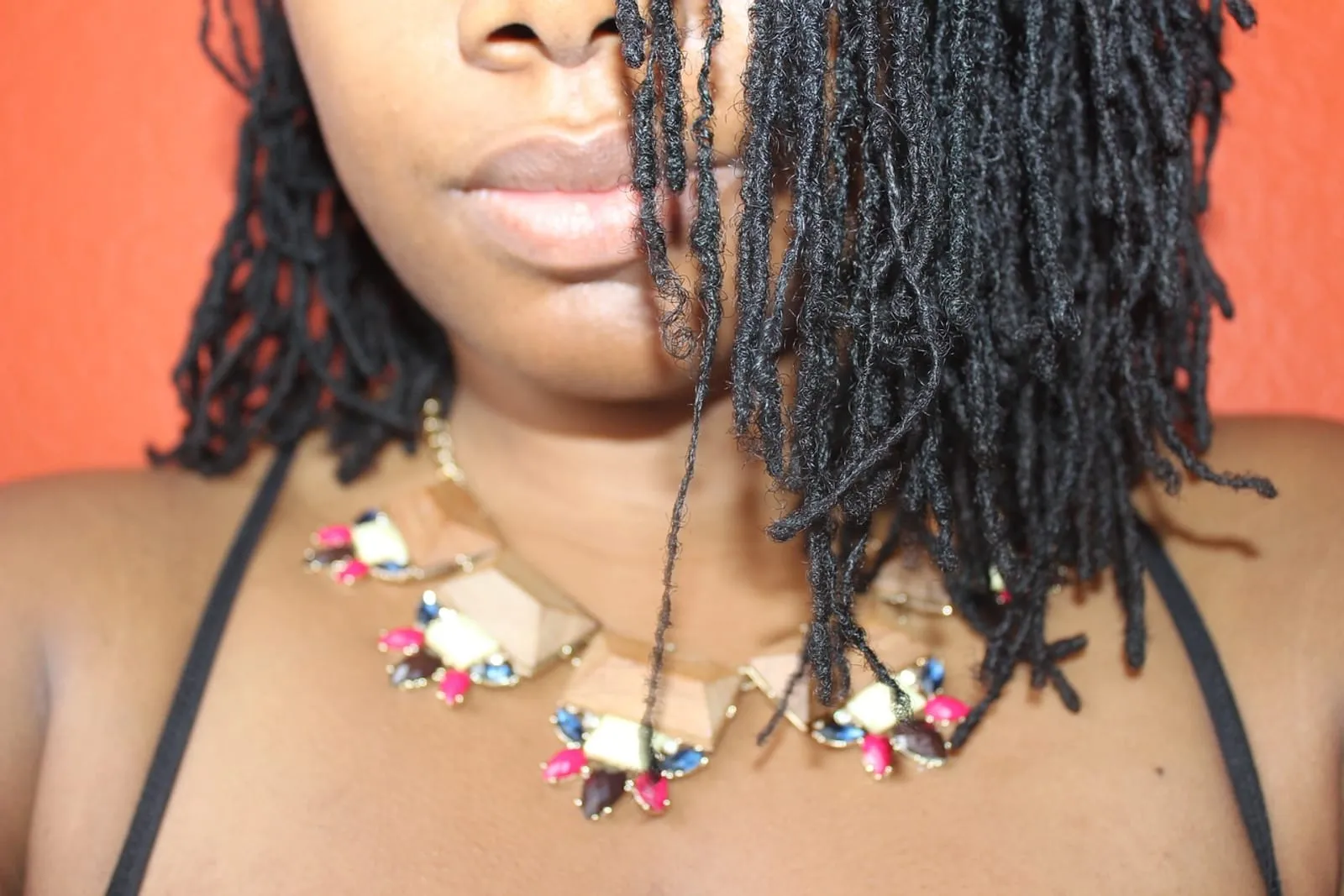
- Wash and condition. Use a gentle shampoo, then a rich conditioner. Our deep conditioning guide shows how to get the most from it.
- Detangle gently. Work from the ends upward with a wide-tooth comb.
- Moisturize and seal. Apply a leave-in, then a light oil or butter to lock it in.
- Dry fully. Putting damp hair away for weeks can cause mildew-smelling hair and scalp irritation.
Not sure how moisture-hungry your hair is?
Take the 1-minute hair porosity quiz to find out how well your hair holds water, which helps pick the right products.
7 Protective Hairstyles for Winter
The table compares the seven styles. Skim it, then read the details for the ones you like.
| Style | Hair length | How long it lasts | Difficulty |
|---|---|---|---|
| Box braids | Any length | 4 to 8 weeks | Needs a stylist or lots of time |
| Two-strand twists | Chin-length and longer | 1 to 3 weeks | Medium |
| Flat twists or cornrows | Any length | 1 to 3 weeks | Medium to hard |
| Low bun | Shoulder-length and longer | 1 to 3 days | Easy |
| Pineapple or loose updo | Any curly length | 1 to 2 days | Easiest |
| Braided crown or French braids | Shoulder-length and longer | 2 to 5 days | Medium |
| Wig or scarf wrap | Any length | Daily | Easy |
1. Box Braids
Box braids are a long-term style where your hair is braided in square sections, often with extensions. They are best done by an experienced braider, and a lighter touch matters. Ask for medium sizes and light tension at the hairline.
2. Two-Strand Twists
Twist each section in two strands from the roots to the ends. Twists are easier to take down and re-twist than braids, and they double as the first step for a twist-out. For the opposite approach, see our braid-out tutorial.
3. Flat Twists or Cornrows
These lay the hair flat against the scalp, which is great under a hat. Keep the tension light, especially at the edges.
4. Low Bun
A low bun at the nape keeps the ends hidden under your coat collar. Use a snag-free elastic or a claw clip, and move the bun position every day so one spot does not take all the strain.
5. Pineapple or Loose Updo
Gather the hair on top of the head in a loose scrunchie. It is the lowest-effort style and protects the ends, especially for curls.
6. Braided Crown or French Braids
A braid that wraps around the head keeps the ends tucked up and away. It makes a good base for hats because the braid sits flat.
7. Wig or Scarf Wrap
Wearing a wig, or wrapping the hair in a satin-lined scarf, covers the hair entirely. Make sure your own hair is moisturized underneath and your scalp can breathe.
Line your hat with satin
Sew or tuck a satin or silk scarf inside your winter beanie. The smooth fabric lets hair slide instead of snag, so you get less breakage and less static when you take the hat off.
How to Care for a Protective Style
A protective style still needs attention. These habits keep hair healthy until take-down day.

- Mist lightly. Spray with water or a leave-in mist every 2 to 3 days.
- Seal. Add a few drops of light oil along the length, not on the scalp.
- Cleanse the scalp. Dilute shampoo in a bottle and apply it to the scalp with a nozzle every 2 to 3 weeks.
- Cover at night. Use a satin bonnet or pillowcase to cut friction.
Watch for traction
Styles pulled too tight can cause traction alopecia, a form of hair loss from constant tension, according to the American Academy of Dermatology. If you feel pain, see bumps or notice thinning at the edges, take the style out and talk to a dermatologist.
For a weekly rhythm that fits around a style, see the weekly curly hair routine.
When to Take the Style Out
Do not push a style past its limit to get your money’s worth. Signs that it is time:
- Your scalp is itchy, sore or flaky
- New growth at the roots is matted
- The ends feel dry and rough
- The style looks fuzzy or loose
Take it out slowly, with a detangler and a wide-tooth comb. Shed hair collects in a long-term style, so it is normal to see a lot of it on take-down day.
Did you know?
The average person sheds around 50 to 100 hairs a day. In a style that stays in for weeks, those hairs stay trapped in the braids, which is why take-down can look like a lot of loss when it is simply normal shedding.
Troubleshooting Winter Hair
Hair Is Dry Even in a Protective Style
Check the prep. If the hair went in dry, mist it and seal it with oil. If it still feels dry after a week, add a light leave-in and cover it at night.
Your Scalp Is Itchy
Use the diluted shampoo method and a light, non-greasy scalp oil. Heavy products can build up. If the itch continues, see a dermatologist.
Static When You Take the Hat Off
Rub a drop of oil between your palms and smooth it over the surface, or switch to a satin-lined hat.
Edges Feel Sore
Loosen the style or take it out. Never ignore pain at the hairline.

Protective Styles at a Glance: Myth vs. Fact
| Myth | Fact |
|---|---|
| Protective styles grow your hair faster | They only help you keep length by reducing breakage |
| Tighter lasts longer | Tight styles risk traction alopecia |
| You can leave them in for months | Most styles are best for 4 to 8 weeks at most |
| You do not need to wash | Your scalp still needs regular cleansing |
Your Next Step
Pick one style from the table that fits your schedule, then do the prep step on your next wash day. If curly frizz is your biggest winter problem, start with the frizzy hair fixes to calm hair before you style it.
Frequently Asked Questions
How long can I keep a protective style in?
Do protective styles help hair grow?
Can protective styles damage my hair?
Should I moisturize hair in a protective style?
You might also like
More in Hair Care →
How to Detangle Curly Hair Without Breakage
Learn how to detangle curly hair without breakage with a step-by-step method, the right tools and fixes for stubborn knots. Save this guide for wash day!
Deep Conditioning Curly Hair: How Often and How to Do It Right
Deep conditioning curly hair the right way: how often by porosity, step-by-step with heat, moisture vs protein masks and safe DIY recipes. Revive dry curls!
DIY Hair Masks From Your Kitchen: 6 Easy Recipes
Make a DIY hair mask from your kitchen with 6 easy recipes for dry, frizzy, oily or dull hair. Get amounts, timing and a patch-test tip. Mix one tonight!